

The Rise of PVA-Free Detergent Sheets in Modern Laundry Care
The laundry industry is currently undergoing a massive transformation as consumers and hospitality professionals alike seek ways to reduce their environmental footprint. For decades, the convenience of liquid pods and traditional laundry strips has been overshadowed by a hidden ingredient: Polyvinyl Alcohol (PVA). While often marketed as biodegradable, recent environmental studies in 2026 have raised significant concerns regarding the ability of PVA to fully break down in wastewater treatment plants, leading to a surge in demand for truly plastic-free alternatives. PVA-free detergent sheets represent the next generation of sustainable cleaning, offering a concentrated, zero-waste solution that eliminates the need for plastic jugs and synthetic binders. This shift is particularly relevant for high-volume environments where efficiency and sustainability must coexist to meet the growing expectations of eco-conscious clients and residents.
Understanding the Chemistry of Traditional Laundry Strips
To appreciate the innovation of PVA-free sheets, one must first understand the role that Polyvinyl Alcohol has traditionally played. PVA is a synthetic plastic polymer that serves as the structural matrix for most laundry pods and strips, allowing them to remain solid when dry but dissolve upon contact with water. However, the term "dissolvable" does not always equate to "environmentally benign." In many municipal water systems, the specific conditions required for microbes to consume PVA—such as specific temperatures and dwell times—are rarely met, meaning these microplastics can eventually find their way into aquatic ecosystems. PVA-free alternatives utilize natural plant-based starches and cellulose to hold the cleaning agents together. This technical distinction is vital for professionals to understand, as it influences how products interact with different water hardness levels and machine types, ensuring a deep clean without leaving behind invisible chemical residues.
Practical Benefits for Professional Environments
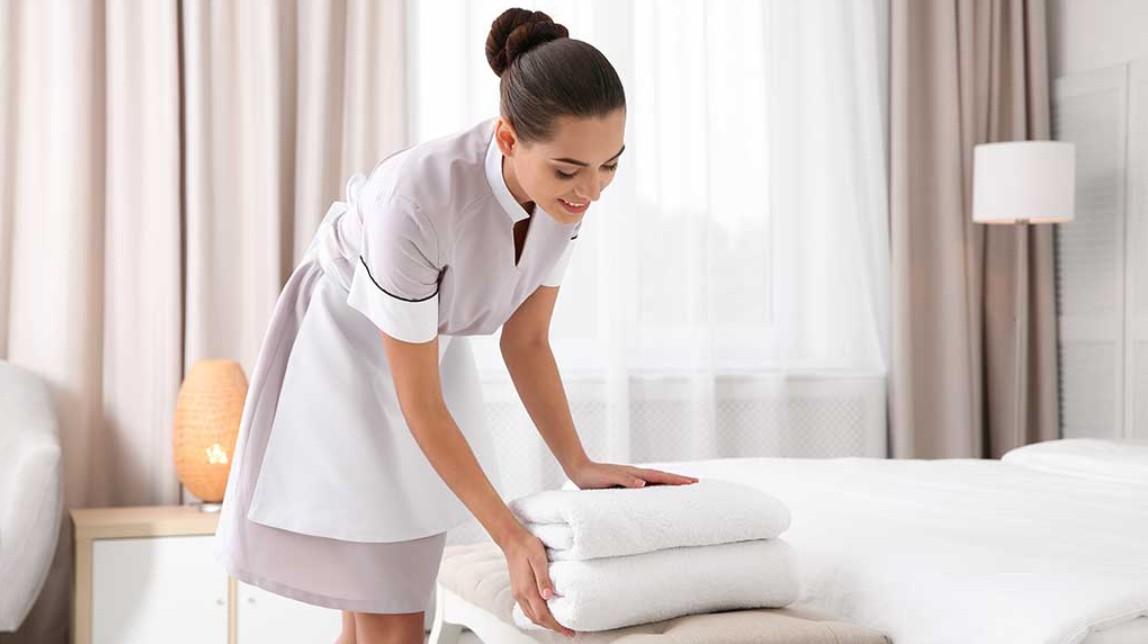
For those working in large-scale residential or commercial settings, the switch to PVA-free detergent sheets offers more than just environmental peace of mind; it provides significant operational advantages. These sheets are incredibly lightweight and compact, drastically reducing the physical strain on staff who would otherwise be lifting heavy, 5-liter plastic detergent bottles. Furthermore, they eliminate the mess and waste associated with liquid spills and over-pouring. In a professional setting, precision is key to maintaining budget and fabric quality. Detergent sheets come pre-measured, ensuring that every load receives the exact amount of cleaning power required. For individuals aiming to master these nuances of modern facility management, a specialized housekeeping course is an invaluable asset. Such training provides the foundational knowledge of fabric care, chemical safety, and sustainable procurement necessary to lead a modern cleaning team toward more efficient and eco-friendly practices.
Impact on Machine Longevity and Maintenance
One often overlooked benefit of switching to high-quality, plant-based laundry sheets is the impact on the machinery itself. Traditional liquid detergents and pods frequently contain fillers and thickening agents that can lead to "scrud" buildup—a waxy residue that accumulates in the outer drum of washing machines. This buildup can cause unpleasant odors, reduce the efficiency of the heating elements, and eventually lead to mechanical failure. PVA-free sheets are formulated to be highly soluble and low-sudsing, which is ideal for modern High-Efficiency (HE) machines that use less water. By reducing the chemical load and buildup within the equipment, facilities can extend the lifespan of their expensive appliances and reduce the frequency of maintenance calls. Understanding the mechanical requirements of laundry equipment is a core pillar of professional development for anyone pursuing a career in domestic or commercial management.
The Economic Argument for Sustainable Laundry
While the initial cost per load of eco-friendly detergent sheets might appear higher than bulk-buy powders, the long-term economic benefits are substantial. The reduction in shipping costs due to the lightweight nature of the product, combined with the elimination of plastic waste disposal fees, creates a more favorable bottom line. Additionally, the pre-measured nature of sheets prevents "detergent creep," where staff use more product than necessary, which is a common source of hidden costs in large operations. From a marketing perspective, businesses that adopt PVA-free solutions can leverage their "zero-plastic" status to attract a premium demographic of guests and residents who prioritize sustainability. Developing the skills to analyze these cost-benefit ratios and implement green initiatives is a hallmark of a qualified professional, often refined through the structured modules found in a housekeeping course, which prepares learners for the administrative and financial realities of modern service roles.
Educating Staff and Residents on Transition
A successful transition to PVA-free laundry care requires clear communication and education. It is common for users to mistakenly believe that "fewer suds" means "less clean," which is a misconception that can lead to the double-dosing of detergent sheets. Education should focus on the efficacy of the surfactants used in these new formulations, which are often derived from coconut or other natural sources and are highly effective at breaking down oils and organic stains at lower temperatures. Staff should be trained to place the sheets directly in the drum before adding clothes to ensure maximum dissolution. This "human element" of management is critical; without proper buy-in and understanding from the team, even the best sustainable products can be misused. Cultivating a culture of continuous learning and environmental stewardship is what separates a standard cleaning operation from a world-class facility.
Future Trends in Plastic-Free Cleaning
As we look toward the end of the decade, the momentum behind PVA-free technology is only expected to grow. We are likely to see the integration of enzymes that are specifically engineered to perform in cold water, further reducing the energy consumption of laundry cycles. We may also see the development of "smart sheets" that change color to indicate when a load is fully rinsed or when a machine requires a descaling cycle. For the modern professional, staying at the forefront of these technological advancements is essential for career longevity. By grounding one's practice in the latest sustainable methodologies, such as those covered in a comprehensive housekeeping course, practitioners ensure they remain relevant in a market that increasingly values "green" expertise. The journey toward a plastic-free future is paved with these incremental, science-backed changes that protect both the fabrics we wear and the water we share.
Conclusion: A New Standard for the Industry
The shift to PVA-free detergent sheets is a clear indicator that the cleaning industry is finally aligning its practices with planetary health. By moving away from synthetic polymers and bulky plastic packaging, we are embracing a leaner, cleaner, and more responsible way to manage our laundry. For the individual practitioner, this evolution represents an opportunity to take the lead in sustainability, applying technical knowledge to improve both environmental and operational outcomes.

 English
 Arabic
 French
 Spanish
 Portuguese
 Deutsch
 Turkish
 Dutch
Dutch
 Italiano
 Russian
 Romaian
 Greek
Greek