

Why Must Pre-Vacuum Cycles Be Used for Orthopedic Power Tool Batteries?
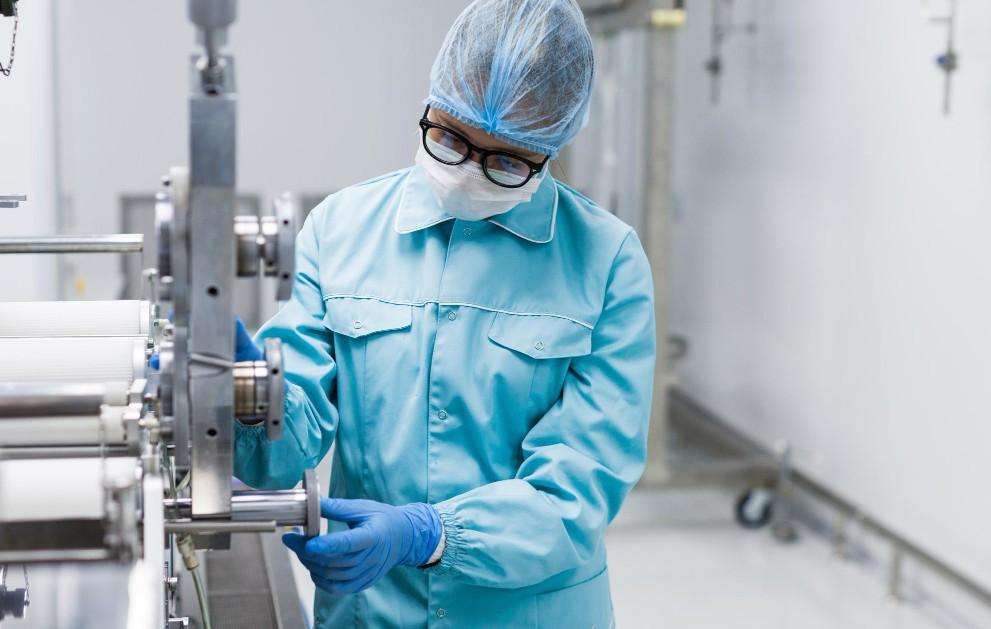
In the fast-paced world of 2026 orthopedic surgery, the reliability of power tools like drills and saws is non-negotiable. These tools rely on sophisticated battery packs that must endure the most rigorous environment in a hospital: the steam sterilizer. While simple gravity displacement cycles are sufficient for basic stainless steel tools, they are fundamentally inadequate and potentially dangerous for complex, battery-powered devices. The specialized pre-vacuum (or Class B) cycle has become the mandatory standard for orthopedic batteries because it addresses the physical and thermal challenges inherent in their design. For anyone working in a modern sterile services department, understanding the mechanical necessity of these cycles is a core component of professional competence. This level of technical mastery is exactly what students focus on when they enroll in a sterile processing technician course, where the science of air removal meets the high-stakes demands of the operating room.
The Problem of Trapped Air Pockets
The primary challenge in sterilizing an orthopedic battery is its complex, multi-layered internal structure. Batteries are housed in protective casings that often contain small crevices, internal wiring, and dense battery cells. In a standard gravity displacement cycle, steam enters the chamber and relies on its lower density to push air out through a drain at the bottom. However, gravity is often unable to displace air that is "trapped" inside the narrow gaps and hollow spaces of a battery pack. These remaining air pockets act as a thermal insulator, preventing the superheated steam from making direct contact with all surfaces of the device. Since steam sterilization requires direct contact to kill microorganisms, any area shielded by air remains non-sterile. This "cold spot" can harbor dangerous pathogens, leading to catastrophic surgical site infections if the tool is used in a procedure.
Mechanical Air Removal and Steam Penetration
A pre-vacuum cycle solves the problem of trapped air through mechanical force rather than passive displacement. Before the actual sterilization phase begins, a powerful vacuum pump pulses several times to actively suck over 99% of the air out of the chamber and, crucially, from the interior of the battery packs themselves. Once a near-perfect vacuum is achieved, high-pressure steam is injected. Because there is no air left to act as a barrier, the steam instantly penetrates the deepest recesses of the battery housing, surrounding every internal component with the lethal heat required for sterilization. This "fractional pre-vacuum" method ensures that the entire load reaches the validated temperature simultaneously. Without this mechanical assistance, it is virtually impossible to guarantee that the internal components of an orthopedic power tool battery have been rendered truly sterile.
Protecting Battery Chemistry from Prolonged Heat
Orthopedic batteries in 2026 are often based on advanced lithium-ion or specialized high-temperature chemistries that are sensitive to excessive thermal exposure. One of the hidden benefits of a pre-vacuum cycle is its efficiency. Because the vacuum allows for "instantaneous" steam penetration, the overall time required for the instruments to be held at the peak sterilization temperature (typically 132°C to 135°C) can be significantly shorter than in a gravity cycle. Gravity cycles often require much longer exposure times—sometimes 30 minutes or more—to account for the slow and uneven heating of complex loads. By using a pre-vacuum cycle, technicians can achieve total lethality in as little as 4 minutes of exposure time. This shorter "thermal window" helps preserve the lifespan of the battery cells and prevents the degradation of the delicate circuit boards housed within the pack.
Preventing Moisture Retainment and Corrosion
Sterility is lost the moment a wet instrument pack is removed from the autoclave. Moisture acts as a "wick," drawing bacteria from the environment through the packaging material and onto the instrument. Orthopedic batteries are particularly prone to retaining moisture due to their dense internal configurations. A pre-vacuum autoclave includes a post-cycle vacuum phase that is just as important as the pre-cycle phase. After the sterilization is complete, the vacuum pump pulls residual steam and moisture out of the chamber, effectively "flash-drying" the load. For a battery pack, this prevents internal condensation that could lead to short-circuiting or corrosion of the contacts. Ensuring a bone-dry finish is a critical safety step that requires the advanced control systems taught in a professional sterile processing technician course, where moisture management is treated as a core pillar of instrument longevity.
Maintaining Manufacturer Compliance and Patient Safety
Every medical device, including orthopedic power tool batteries, comes with specific Instructions for Use (IFU) that dictate the validated sterilization parameters. In almost every modern case, the manufacturer will specify a pre-vacuum steam cycle. Deviating from these instructions—perhaps by using a gravity cycle because it seems "easier" or because the vacuum pump is under maintenance—is a serious breach of protocol that can void the device warranty and, more importantly, put patient lives at risk. The Designated Safeguarding Lead and the sterile processing manager must ensure that all staff are trained to recognize the "Class B" requirement for these tools. Consistency in applying the correct cycle is what separates a world-class surgical center from one prone to preventable complications. Professional vigilance in the sterilization suite is the first line of defense in the orthopedic theater.
Conclusion: The Precision of Modern Decontamination
The use of pre-vacuum cycles for orthopedic power tool batteries is a perfect example of how healthcare technology must be matched by equal advancements in reprocessing techniques. We have moved far beyond the days when "hot steam" was enough; today, we must manipulate pressure and vacuum to ensure that steam reaches the unreachable. Mastering the settings of a Class B sterilizer and understanding the physics of air removal are essential skills for any modern healthcare professional.
 French
 English
 Arabic
 Spanish
 Portuguese
 Deutsch
 Turkish
 Dutch
Dutch
 Italiano
 Russian
 Romaian
 Portuguese (Brazil)
 Greek
Greek