

How Do Cork Bottoms Prevent Both Heat and Scratch Damage?
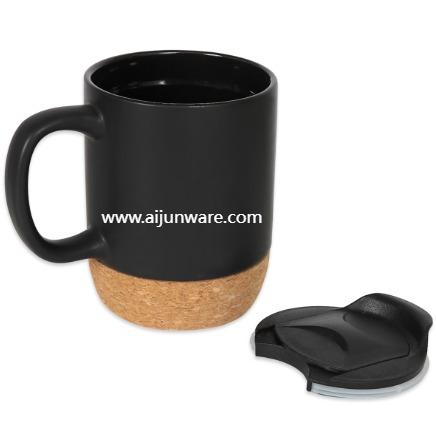
Daily beverage routines pose constant risk to furniture surfaces despite their necessity in modern life. A Cork Bottom Mug addresses these dual threats through natural material properties providing both thermal insulation and physical cushioning. Understanding how cork simultaneously prevents heat damage and scratch formation reveals the practical advantages this simple design feature delivers. Heat transfer from hot beverages causes finish damage, discoloration, and structural harm to wood furniture, while ceramic, metal, or glass bottoms create abrasive contact that mars surfaces over time. Cork interrupts these damage pathways through cellular structure and material characteristics that protect furniture without requiring conscious user effort or additional accessories.
Heat damage mechanisms vary across furniture materials but all involve temperature elevation. Wood finishes including lacquer, varnish, and polyurethane soften under heat, allowing moisture penetration creating white rings or cloudy marks. Prolonged heat exposure darkens wood through chemical changes in natural fibers. Antique furniture with shellac finishes shows particular vulnerability, developing permanent damage from brief contact with hot containers. Modern composite materials use adhesives that soften under heat causing bubbling or delamination. Cork prevents these problems by blocking thermal transfer from hot mug bottoms to furniture surfaces, maintaining safe temperatures regardless of beverage heat.
Cork's thermal insulation emerges from microscopic cellular structure. Millions of tiny air-filled chambers within cork trap heat, preventing downward transfer toward surfaces beneath mugs. Air conducts heat poorly compared to solid materials, making these cellular pockets effective thermal barriers. When hot beverages fill mugs, heat conducts through container walls reaching bottom surfaces. Without insulation, this heat transfers directly into furniture, raising surface temperatures enough to damage finishes and underlying materials. Cork interrupts this conductive pathway, keeping furniture surfaces at ambient temperature despite hot contents above.
Scratch prevention operates through different cork properties addressing abrasion damage. Hard mug bottoms made from ceramic, stainless steel, or glass create point contact with furniture surfaces. Sliding mugs across tables during use concentrates force at these contact points, abrading finishes and creating visible scratches. Textured or rough mug bottoms amplify this damage through aggressive surface contact. Cork provides soft cushioning that distributes contact force across larger surface areas while preventing abrasive interaction. The natural flexibility allows cork to conform slightly to surface irregularities, eliminating hard scraping contact that damages finishes.
Furniture material diversity requires protection across varied surface types. Wood furniture dominates home environments but glass, stone, and composite surfaces also populate modern interiors. Each material responds differently to heat and abrasion though all benefit from cork protection. Glass tables resist heat better than wood but still experience thermal stress from rapid temperature changes. Stone surfaces tolerate heat yet scratch from abrasive contact with hard mug bottoms. Cork provides universal protection across these material types, delivering comprehensive furniture preservation through single integrated solution.
Daily usage patterns accumulate damage over time making protection essential. Individual instances of placing hot mugs might cause minimal visible harm, but repeated exposure across months and years creates cumulative degradation. Small scratches invisible initially deepen with continued contact, eventually becoming noticeable surface damage. Similarly, repeated heat cycles stress finishes until failure occurs through cracking, clouding, or delamination. Cork protection prevents this gradual damage accumulation, preserving furniture condition through years of normal beverage service.
Moisture considerations complement heat and scratch protection. Condensation forms on cold beverage containers when exterior surfaces cool below ambient dew point. This moisture damages furniture through different mechanisms than heat, causing water rings, finish clouding, or wood swelling. Cork's moisture resistance prevents liquid transfer to surfaces beneath mugs. The material absorbs minimal water while creating barrier preventing condensation from reaching furniture. This triple protection against heat, scratches, and moisture makes cork comprehensively protective rather than addressing single damage pathway.
Alternative protective solutions require separate accessories or conscious user behavior. Coasters provide effective protection when used consistently but demand remembering their use and positioning them correctly. Users often neglect coasters during distracted moments, rushed mornings, or when multiple mugs occupy limited table space. Separate felt pads adhere to mug bottoms but may detach over time, leaving furniture vulnerable without users noticing. Cork integrated into mug construction provides permanent automatic protection operating without user attention or separate accessories to remember, lose, or deplete.
Aesthetic considerations enhance cork's practical benefits. Natural wood tones and organic textures complement diverse furniture styles from traditional to contemporary. Cork bases add visual warmth without clashing with interior design schemes. This aesthetic compatibility encourages consistent use rather than removing bases for appearance reasons that sacrifice protection. The natural variation in cork grain patterns provides subtle individuality making each mug bottom unique, appealing to users valuing organic authenticity over manufactured uniformity.
Maintenance requirements remain minimal preserving protection long-term. Cork requires occasional wiping to remove accumulated dust or debris but demands no special treatments or frequent replacement. Natural oils applied periodically maintain cork flexibility and appearance though this proves optional rather than necessary for protective function. The low-maintenance nature ensures protection remains effective throughout mug lifespan without demanding attention that might lead to neglect compromising furniture safety.
A Cork Bottom Mug delivers dual furniture protection through thermal insulation and scratch prevention operating automatically without user intervention. This integrated protection preserves furniture investment through daily beverage service preventing both immediate damage and cumulative degradation. Understanding these protective mechanisms helps consumers appreciate practical value beyond simple aesthetic appeal of natural materials.
Furniture preservation through thoughtful container design represents practical application of material science to everyday challenges. Your Cork Bottom Mug protects valuable surfaces through cork properties addressing multiple damage pathways simultaneously. This comprehensive protection operates reliably throughout daily use supporting both functional needs and furniture longevity. Those seeking mugs engineered with integrated furniture protection through natural cork bases can examine various designs balancing protective capability with aesthetic appeal. Visit https://www.aijunware.com/product/ to compare options delivering reliable heat and scratch protection suited to diverse furniture types and interior styles.
 English
 Arabic
 French
 Spanish
 Portuguese
 Deutsch
 Turkish
 Dutch
Dutch
 Italiano
 Russian
 Romaian
 Portuguese (Brazil)
 Greek
Greek