

Equipment Assembly: Tips, Techniques, and Best Practices
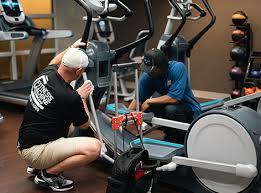
Equipment assembly is a critical process in industries ranging from manufacturing and healthcare to fitness and electronics. Proper assembly ensures that machines function efficiently, safely, and with a longer lifespan. Whether you are a professional technician, an industrial worker, or a DIY enthusiast, understanding the principles of equipment assembly can save time, reduce errors, and enhance productivity. This article explores the essential steps, tools, techniques, and best practices for effective equipment assembly.
Understanding Equipment Assembly
Equipment assembly is the process of putting together various components of a machine or system so that it functions as intended. This can range from assembling simple tools or furniture to complex industrial machinery. The goal of assembly is to ensure that all parts are correctly aligned, securely fastened, and operate smoothly. Poor assembly can lead to equipment failure, safety hazards, or increased maintenance costs.
Types of Equipment Assembly
-
Manual Assembly
Manual assembly involves human labor to connect components. Workers use hand tools like screwdrivers, wrenches, and pliers to piece together equipment. This type of assembly is common in small-scale production, workshops, and when precision work is required. -
Automated Assembly
In large-scale industrial settings, automated assembly lines use machines and robots to perform repetitive tasks. Automated assembly improves efficiency, reduces human error, and maintains consistent quality. Examples include car manufacturing, electronic device assembly, and packaging machinery. -
Semi-Automated Assembly
Semi-automated assembly combines manual labor with machine assistance. Workers may handle complex or delicate tasks, while machines perform repetitive or heavy-duty functions. This method balances efficiency with flexibility.
Essential Tools for Equipment Assembly
Proper tools are essential for efficient and safe assembly. Common tools include:
-
Screwdrivers and Wrenches: For fastening screws, bolts, and nuts.
-
Allen Keys and Hex Wrenches: Used for assembling machinery with hex screws.
-
Hammers and Mallets: To gently position or secure parts.
-
Torque Wrenches: Ensure bolts and screws are tightened to the manufacturer’s specifications.
-
Pliers and Cutters: For gripping, bending, or cutting wires and small components.
-
Level and Measuring Tools: Guarantee accurate alignment and placement.
Choosing the right tools prevents damage to equipment, reduces assembly errors, and improves overall efficiency.
Steps for Proper Equipment Assembly
-
Preparation and Planning
Before starting assembly, review the manufacturer’s manual carefully. Organize all components and tools in a clean workspace. Planning the assembly process step-by-step reduces errors and saves time. -
Inspecting Components
Check all parts for damage, missing pieces, or defects. Using defective components can compromise the functionality and safety of the equipment. Inspect screws, bolts, electrical parts, and moving components before proceeding. -
Following Instructions
Manufacturer instructions are critical for correct assembly. Pay attention to diagrams, part numbers, and sequence of steps. Skipping steps or assembling parts incorrectly can lead to operational problems or safety risks. -
Assembling Sub-Components
Many complex pieces of equipment are made up of smaller sub-assemblies. Assemble these first, ensuring each unit is complete and functions properly. Sub-assembly makes the final assembly process easier and more organized. -
Connecting Main Components
Once sub-assemblies are complete, combine them to form the main structure. Make sure all connections are secure and aligned. Use torque wrenches where necessary to ensure proper tightness. -
Electrical and Mechanical Integration
For equipment with electrical or mechanical systems, ensure wiring, motors, and control panels are installed correctly. Follow safety protocols to prevent electrical hazards or mechanical failures. -
Testing and Calibration
After assembly, test the equipment to ensure it operates correctly. Check for smooth movement, proper alignment, and functional controls. Calibration may be required for precision equipment like laboratory instruments or CNC machines. -
Safety Checks
Inspect the assembled equipment for potential safety issues, such as loose bolts, sharp edges, or faulty wiring. Ensure guards, shields, and emergency stops are installed where necessary.
Best Practices for Efficient Equipment Assembly
-
Organized Workspace: Keep your work area clean and free of clutter to prevent loss of parts or mistakes.
-
Proper Labeling: Label components to simplify the assembly sequence.
-
Team Coordination: For complex projects, communicate clearly with team members to avoid errors.
-
Continuous Training: Regular training ensures technicians are familiar with new equipment and assembly techniques.
-
Documentation: Keep records of assembly procedures, part numbers, and maintenance schedules for future reference.
Common Challenges in Equipment Assembly
-
Misalignment: Parts may not fit correctly due to poor alignment, leading to wear or operational failure.
-
Missing or Damaged Parts: Missing screws, bolts, or damaged components can halt assembly.
-
Complex Instructions: Some manuals may be difficult to understand, causing errors.
-
Time Constraints: Rushing the assembly can lead to mistakes and safety hazards.
Tips to Overcome Challenges
-
Double-check all components before starting.
-
Follow a systematic approach, step by step.
-
Use proper tools and equipment to ensure accuracy.
-
Allow adequate time for assembly and testing.
Conclusion
Equipment assembly is a crucial aspect of ensuring machines and systems function effectively and safely. Whether it is manual, automated, or semi-automated, successful assembly requires planning, the right tools, attention to detail, and adherence to best practices. By following proper assembly procedures and prioritizing safety, organizations and individuals can reduce errors, extend the lifespan of equipment, and maximize performance. With experience and careful execution, equipment assembly becomes a straightforward, efficient, and highly rewarding process.
 Turkish
 English
 Arabic
 French
 Spanish
 Portuguese
 Deutsch
 Dutch
Dutch
 Italiano
 Russian
 Romaian
 Portuguese (Brazil)
 Greek
Greek