

How to Troubleshoot CAN-bus Wiring Errors That Cause a Total Dashboard Blackout
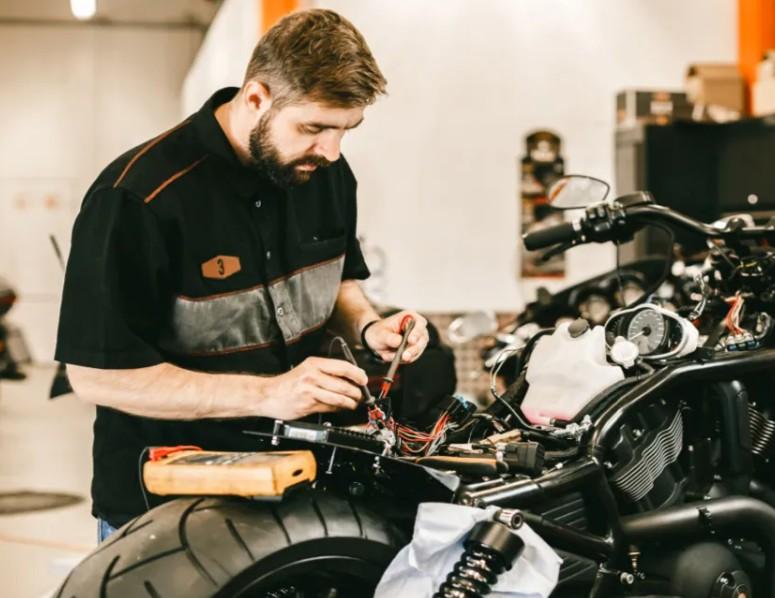
The sight of a completely dark instrument cluster when you turn the ignition key is enough to send a shiver down any rider's spine. In the early days of motorcycling, a dead dashboard usually meant a blown fuse or a disconnected bulb. However, in 2026, the complexity of modern motorcycle electronics means that a total blackout is frequently linked to a failure in the Controller Area Network, better known as the CAN-bus. This sophisticated communication system allows various Electronic Control Units (ECUs) to talk to one another using just two wires, significantly reducing the weight of the wiring loom. While efficient, a single error in this network can act like a digital "clog," preventing the dashboard from receiving the signals it needs to wake up, resulting in a frustrating and silent screen.
Understanding the CAN-bus is no longer an optional skill for the modern biker; it is a fundamental requirement for maintaining the reliability of high-tech machines. Whether you are dealing with a faulty sensor "spamming" the network or a physical break in the wiring, the troubleshooting process requires a methodical approach that moves beyond simple trial and error. For those who want to master these digital intricacies, enrolling in a specialized motorbike maintenance course is the most effective way to transition from a mechanical tinkerer to a modern diagnostic technician. Learning to interpret these invisible signals is the key to keeping your bike’s central nervous system healthy and your dashboard glowing.
The Physics of the Twisted Pair and Signal Interference
The CAN-bus operates using two wires: CAN-High and CAN-Low. To prevent electromagnetic interference from the ignition system and the alternator, these two wires are twisted together. This twisting ensures that any external electrical noise affects both wires equally, allowing the system to cancel out the noise—a process known as differential signaling. A total dashboard blackout often occurs when this physical relationship is compromised. If the wires become untwisted due to a poor repair, or if they are routed too close to a high-voltage spark plug lead, the "noise" can overwhelm the digital data, causing the dashboard to lose its connection to the rest of the bike.
When troubleshooting, the first step is a visual inspection of the loom, specifically looking for areas where the wires might be pinched or frayed. A common failure point is the steering head area, where constant movement can fatigue the thin CAN-bus wires. If the copper strands inside the insulation break, the network's resistance changes, leading to a "Bus-Off" state. This level of forensic wiring analysis is a major focal point in any reputable motorbike maintenance course. Students learn that even a slight change in the physical layout of these wires can lead to a total system failure. By maintaining the integrity of the twisted pair, you ensure that the digital conversation between your engine and your display remains crystal clear.
Identifying Terminal Resistance and Network Health
For a CAN-bus network to function correctly, it must be "terminated" at both ends with a 120-ohm resistor. These resistors prevent signal reflections that could bounce back through the wires and corrupt the data. In a healthy system, if you measure the resistance across the CAN-High and CAN-Low pins with the battery disconnected, you should see exactly 60 ohms (as the two 120-ohm resistors are in parallel). If your dashboard is black and you measure 120 ohms, it means one of the termination resistors—often built into the dashboard itself or the ECU—is disconnected or faulty. If you measure 0 ohms, you have a short circuit somewhere in the loom.
This resistance test is one of the most powerful diagnostic tools at your disposal. A total blackout is frequently caused by a "short to ground" or a "short to power" on one of the CAN lines. If a wire has rubbed through its insulation and is touching the bike's frame, the entire network will crash, taking the dashboard with it. During a motorbike maintenance course, you are taught how to use a digital multimeter to pinpoint these shorts without having to strip the entire wiring harness. By systematically disconnecting modules and re-measuring the resistance, you can isolate the specific segment of the network that is causing the blackout, saving hours of guesswork and expensive part-swapping.
Dealing with "Noisy" Modules and Node Failures
Sometimes the wiring itself is perfectly fine, but one of the "nodes" on the network has gone rogue. In a modern motorcycle, nodes can include the ABS module, the Traction Control unit, the Quickshifter, and the Dashboard. If the ABS module suffers an internal hardware failure, it can begin "shouting" nonsense data across the bus, effectively drowning out the dashboard's wake-up signal. This is known as a "babbling idiot" error. To troubleshoot this, you must selectively disconnect non-essential modules one by one. If you unplug the ABS unit and the dashboard suddenly springs back to life, you have identified the culprit.
This process of elimination is a cornerstone of digital diagnostics. It requires a deep understanding of how each component interacts with the central ECU. In a comprehensive motorbike maintenance course, riders are taught the "hierarchy" of the bus. They learn which modules are critical for the bike to start and which ones can be bypassed for testing purposes. Modern dashboards are rarely "broken" in the traditional sense; they are usually just waiting for a specific digital handshake that never arrives. By identifying the rogue module that is disrupting the network, you can restore communication and bring your instruments back online with professional precision.
The Importance of Software Updates and CAN-Gateway Errors
In 2026, the solution to a dashboard blackout might not involve a wrench at all, but rather a laptop. Many CAN-bus errors are software-related, where a specific combination of sensor inputs leads to a "buffer overflow" in the dashboard's processor. This is particularly common after adding aftermarket accessories like heated grips or auxiliary lights that tap into the bike’s power supply. If these accessories introduce electrical "jitter," the dashboard might protect itself by shutting down. Manufacturers frequently release firmware updates to make the CAN-gateway more resilient to these types of interference.
A professional motorbike maintenance course will introduce you to the world of OBD (On-Board Diagnostics) and CAN-analysis tools. These devices allow you to "see" the data packets as they move across the wires. If you see a high number of "Error Frames" on the diagnostic screen, you know you are dealing with an interference or hardware issue. Without these tools, you are essentially flying blind. As motorcycles become increasingly defined by their software, the ability to interface with the bike’s brain is just as important as knowing how to change its oil. Keeping your bike's software up to date ensures that the CAN-bus protocols remain optimized and that your dashboard remains a reliable source of information.
Conclusion: Mastering the Digital Frontier
Troubleshooting a total dashboard blackout in the era of CAN-bus technology can feel like a daunting task, but it is ultimately a logical process. By understanding the importance of the twisted pair, mastering resistance testing, and knowing how to isolate faulty nodes, you can demystify the "black box" of motorcycle electronics. The shift toward digital systems doesn't mean you can no longer work on your own bike; it simply means the tools of the trade have evolved. The grease and oil of the past are now accompanied by volts, ohms, and data packets.
 Dutch
Dutch
 English
 Arabic
 French
 Spanish
 Portuguese
 Deutsch
 Turkish
 Italiano
 Russian
 Romaian
 Portuguese (Brazil)
 Greek
Greek