

The Role of Color Psychology in Choosing Your Bridal Dress
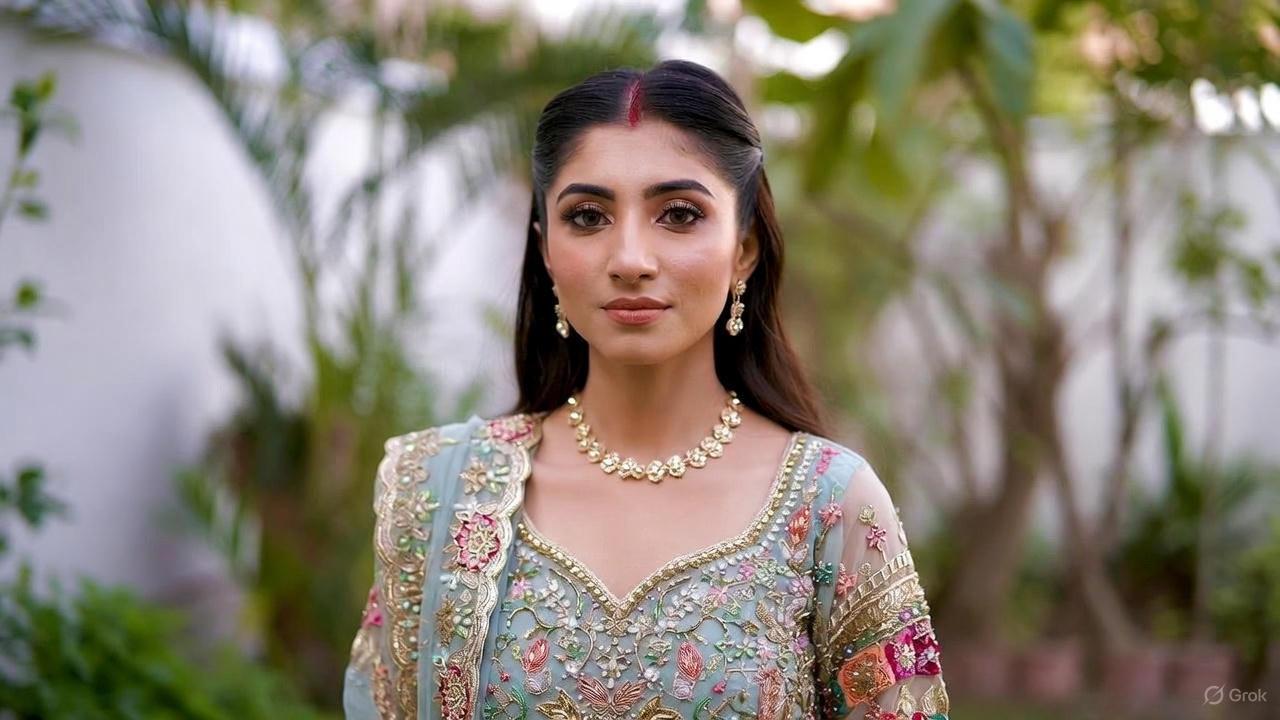
Choosing a bridal dress color is often an emotional decision. While traditions and trends influence preferences, color psychology quietly shapes how a bride feels and how others perceive her. The shade of a bridal dress affects mood, confidence, and the overall atmosphere of the wedding. Understanding color psychology helps brides make choices that feel right rather than simply fashionable.
Why Color Matters in Bridal Wear
Color communicates emotion without words. It influences how a bridal outfit appears in different lighting and how it connects with the wedding setting. A well-chosen color enhances skin tone, complements the venue, and supports the overall wedding theme.
Beyond appearance, color affects how a bride feels throughout the day. Feeling comfortable and confident in the chosen shade allows emotions to flow naturally, which reflects beautifully in photographs and interactions.
Traditional Bridal Colors and Their Meaning
Traditional bridal colors carry cultural and emotional significance. Shades like red, ivory, gold, and deep maroon symbolize commitment, warmth, and celebration. These colors are often associated with heritage and family traditions.
Brides who value cultural symbolism often feel a strong connection to traditional hues. These shades create a sense of familiarity and continuity while still allowing room for modern design elements.
Soft and Neutral Tones for Calm Elegance
Soft tones such as blush, champagne, beige, and off-white evoke calmness and grace. These shades are often chosen by brides who prefer subtlety and balance. Neutral colors photograph well and adapt easily to different lighting conditions.
Such tones also allow embroidery and texture to stand out without overwhelming the overall look. Brides seeking a refined and timeless appearance often gravitate toward these shades.
Bold Colors and Their Emotional Impact
Bold colors like emerald green, royal blue, deep plum, and rich burgundy convey strength and individuality. These shades suit brides who want their outfit to make a confident statement.
While bold colors attract attention, balance is important. Controlled embroidery and thoughtful styling prevent the outfit from appearing heavy. When used wisely, bold shades create a powerful and memorable bridal look.
Pastel Shades and Romantic Expression
Pastels such as lavender, mint, powder blue, and soft peach reflect softness and romance. These colors create a light and airy feel, especially in daytime or outdoor weddings.
Pastel bridal dresses often appeal to brides who want a gentle and modern aesthetic. These shades enhance natural features and blend beautifully with floral décor and open spaces.
Matching Dress Color with Skin Tone
Skin tone plays a key role in color selection. Warm skin tones often complement earthy shades, gold-based hues, and warm pastels. Cooler skin tones pair well with silver undertones, icy neutrals, and jewel shades.
Testing fabric swatches in natural light helps determine how a color reacts against the skin. A color that brightens the face without heavy makeup is usually the right choice.
Color and Wedding Venue Harmony
The venue environment influences how colors appear. Indoor venues support deeper tones and layered shades, while outdoor settings benefit from lighter, reflective colors. A mismatch between venue and dress color can disrupt visual balance.
Coordinating dress color with décor, flooring, and lighting ensures harmony. This thoughtful approach results in cohesive wedding visuals rather than isolated styling elements.
Emotional Connection to Color Choice
Color choices are often tied to personal memories and emotions. Some brides choose colors associated with family traditions, while others select shades that reflect personal milestones.
Listening to emotional responses during fittings can guide decision-making. If a color makes the bride feel comfortable and confident, it often becomes the right choice regardless of trends.
Designer Insight and Color Customization
Experienced designers understand how color affects mood, structure, and detailing. Custom color development allows brides to achieve a shade that suits both personality and setting.
Design houses such as Rizwan Beyg Design often refine color palettes to ensure depth, balance, and long-lasting visual appeal, rather than relying on seasonal tones.
Avoiding Common Color Selection Mistakes
Choosing a color based only on trends can lead to regret. Trends fade, but wedding photographs last forever. Another common mistake is ignoring lighting conditions, which can alter color appearance dramatically.
Rushing color decisions without proper testing can result in discomfort on the wedding day. Taking time to evaluate fabric samples and lighting scenarios prevents such issues.
Final Thoughts on Bridal Dress Color Psychology
Color psychology plays a meaningful role in bridal styling. The right shade enhances confidence, complements the environment, and supports emotional comfort throughout the wedding day.
When chosen thoughtfully, bridal dress color becomes more than a visual choice. It becomes a reflection of personality, tradition, and emotion, creating a bridal look that feels authentic and timeless.
 Italiano
 English
 Arabic
 French
 Spanish
 Portuguese
 Deutsch
 Turkish
 Dutch
Dutch
 Russian
 Romaian
 Portuguese (Brazil)
 Greek
Greek