

Can Kunliwelding Products Reduce Your Feeding Problems?
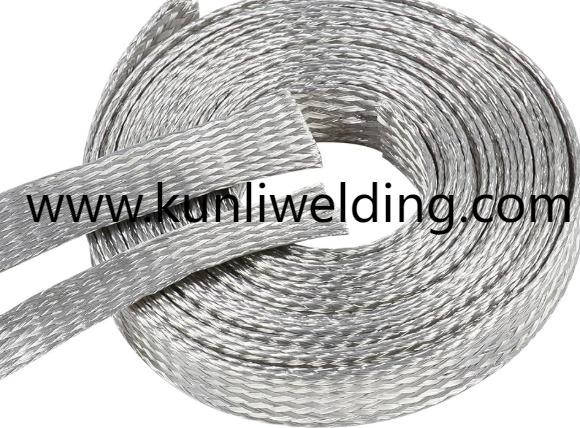
Wire feeding problems frustrate welders and disrupt production schedules across fabrication shops. When filler material refuses to advance smoothly through the welding system, it creates erratic arcs, incomplete welds, and wasted time troubleshooting equipment. Understanding why aluminum behaves differently than steel during feeding helps identify solutions, though quality starts with products from reliable Aluminum Welding Wire Manufacturers who control material properties that affect handling characteristics.
Aluminum's physical properties create inherent feeding challenges. The material is softer than steel, making it prone to deformation under pressure from drive rolls. When feed mechanisms grip too tightly, they crush the wire rather than advancing it smoothly. Conversely, insufficient pressure allows slippage, preventing consistent movement through the system. Finding the balance requires proper equipment setup and wire that maintains dimensional consistency under feeding forces.
Surface condition directly impacts feeding behavior. Oxidation develops naturally on aluminum exposed to air, creating a rough texture that increases friction against liner walls and contact tips. Wire that arrives contaminated or develops surface issues during storage experiences higher resistance during feeding, causing erratic advancement and bird nesting behind the drive mechanism. Proper storage in sealed packaging preserves surface quality until use, while handling procedures prevent contamination during installation.
Liner selection plays a critical role in aluminum feeding success. Steel liners designed for harder wire materials create excessive friction against soft aluminum surfaces. Specialized liners with low friction coatings or materials reduce resistance, allowing wire to glide smoothly from feeder to torch. Worn or kinked liners obstruct wire path, creating pressure points that bind or deform the material during feeding. Regular inspection and replacement of liner components prevents many feeding difficulties.
Drive roll configuration affects how effectively systems advance aluminum wire. U groove or knurled rolls designed for steel bite too aggressively into softer aluminum, causing deformation and shavings that contaminate the system. Wider groove profiles distribute pressure across more wire surface, reducing crushing while maintaining adequate grip. Matching drive roll design to wire diameter and material properties ensures reliable feeding without damage.
Contact tip wear contributes to feeding inconsistency. As tips enlarge from arc heat and mechanical erosion, wire slides less predictably through the opening. Oversized tips allow wire to wander, affecting arc positioning and stability. Undersized or partially blocked tips create excessive friction that impedes wire movement. Monitoring tip condition and replacing worn components maintains feeding reliability throughout production runs.
Equipment maintenance addresses many feeding issues before they disrupt welding operations. Cleaning debris from drive mechanisms, inspecting liner condition, and verifying proper tension settings should occur on regular schedules. Neglected equipment accumulates wire shavings, dust, and oxidation that gradually degrade feeding performance until problems become severe enough to halt production.
Wire quality from Aluminum Welding Wire Manufacturers influences feeding behavior in ways operators cannot always compensate for through equipment adjustment. Diameter variations cause inconsistent grip by drive rolls, with thin sections slipping and thick sections binding. Poor spooling creates mechanical interference as wire unwinds, introducing tension variations that disrupt smooth feeding. Surface treatments applied during manufacturing affect friction characteristics throughout the wire path.
Proper technique also matters during welding operations. Excessive cable loops or sharp bends create resistance that feeding systems must overcome. Maintaining reasonable cable routing with gentle curves reduces mechanical resistance. Understanding equipment capabilities prevents attempting wire speeds beyond what systems can reliably deliver, avoiding the frustration of chasing problems that stem from unrealistic expectations rather than actual defects.
Troubleshooting feeding problems requires systematic evaluation of multiple factors. Starting with wire quality verification ensures the fundamental material meets requirements before investigating equipment settings. Proceeding through liner condition, drive roll configuration, and contact tip inspection methodically identifies issues rather than randomly adjusting parameters. This diagnostic approach resolves problems efficiently while building understanding that prevents recurrence.
Feeding challenges need not derail aluminum welding operations when operators understand contributing factors and implement appropriate solutions. Combining quality materials from responsible Aluminum Welding Wire Manufacturers with proper equipment setup and maintenance creates reliable feeding systems that support productive welding operations. Welding consumables and technical resources are available through www.kunliwelding.com .
 Spanish
 English
 Arabic
 French
 Portuguese
 Deutsch
 Turkish
 Dutch
Dutch
 Italiano
 Russian
 Romaian
 Portuguese (Brazil)
 Greek
Greek