

Windows Remote Administration: Secure IT Management from Anywhere
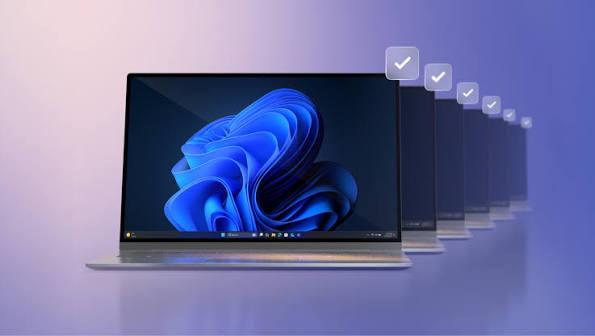
The Case for Windows Remote Administration
Modern business IT environments rarely occupy a single physical location under a single IT team's immediate physical supervision. Distributed workforces, multiple office locations, hybrid work arrangements, and the growing complexity of cloud-integrated on-premises infrastructure all create situations where IT teams must manage Windows systems they cannot physically reach without incurring travel time and cost that neither scales nor responds quickly enough for effective IT operations. Windows remote administration provides the technical capability to manage Windows systems from any location with appropriate connectivity, enabling IT teams to support large, distributed Windows environments with a responsiveness and efficiency that physical-presence management models cannot match.
Core Technical Capabilities of Windows Remote Administration
Effective Windows remote administration encompasses a set of technical capabilities that collectively enable comprehensive system management without physical presence. Remote desktop access through Remote Desktop Protocol provides the most complete administrative capability — a technician with RDP access to a Windows system can perform any administrative task that local console access would support, with the minor limitation of slightly higher latency in some network conditions. PowerShell remoting enables automated, scriptable administration of Windows systems at scale, allowing a single administrator to execute configuration changes, retrieve system information, or deploy software across hundreds or thousands of Windows devices simultaneously. Windows Management Instrumentation provides programmatic access to Windows system information and configuration that enterprise management tools leverage extensively. Windows Admin Center provides a browser-based administration interface that consolidates server management capabilities in an accessible web interface.
Security Architecture for Remote Administration
The security of Windows remote administration is the primary concern that organizations must address before deploying remote management capabilities, because remote administration infrastructure — by design — provides privileged access to critical systems over network connections that may traverse less trusted network segments. A properly architected Windows remote administration security framework includes multi-factor authentication requirements for all remote administrative sessions, encrypted communications for all remote management traffic, network segmentation that limits remote administration access to dedicated management networks or VPN connections rather than the general corporate network, privileged access workstations dedicated to administrative functions, just-in-time privileged access that grants elevated permissions only for the duration of specific administrative tasks, and comprehensive audit logging of all remote administrative activity.
Remote Administration for Distributed Enterprise Environments
Enterprise organizations with Windows infrastructure distributed across multiple locations have specific remote administration requirements that differ from single-site deployments. Jump servers or bastion hosts positioned at each location provide controlled remote administration ingress points that limit direct remote access to production systems. Centralized management platforms that aggregate monitoring and administration for all locations into a single administrative console simplify the operational overhead of managing geographically distributed infrastructure. Site-to-site VPN connectivity ensures that remote administration traffic between management infrastructure and managed systems travels over encrypted, authenticated tunnels rather than the public internet.
Remote Administration for Endpoint Management
Windows remote administration for endpoint management — the management of Windows workstations and laptops across an organization — requires capabilities specifically suited to the challenges of managing large numbers of individually varying user devices. Remote troubleshooting capabilities allow IT staff to connect to a user's Windows workstation, observe what the user is experiencing, and perform diagnostic and remediation steps without dispatching a technician to the user's physical location. Remote software deployment enables the consistent distribution of software packages, updates, and configuration changes across endpoint populations without requiring users to take any action. Remote inventory collection provides current hardware and software inventory data for all managed endpoints.
Compliance and Audit Requirements in Remote Administration
Regulated industries face specific compliance requirements for remote administration that must be incorporated into the technical and procedural architecture of any Windows remote administration solution. Healthcare organizations operating under HIPAA requirements, financial services firms subject to SOX or PCI DSS requirements, and government contractors working under NIST or CMMC frameworks all have specific requirements governing the authentication, encryption, logging, and access control of privileged remote administrative sessions. Professional Windows remote administration solutions support these compliance requirements through comprehensive audit logging, session recording, and access control capabilities that demonstrate compliance to auditors.
Choosing the Right Remote Administration Solution
The selection of a Windows remote administration solution requires evaluating several factors that vary in importance depending on organizational size, distributed infrastructure complexity, security requirements, and existing tooling investments. The right solution should integrate cleanly with existing identity infrastructure, provide the specific administrative capabilities the team needs most frequently, scale to the size of the managed environment, and support the compliance requirements applicable to the organization's industry. Professional IT management providers like Fliix-Ops deliver Windows Remote Verwaltung solutions that address all of these requirements within a managed service framework that reduces the operational burden on internal IT teams.

 English
 Arabic
 French
 Spanish
 Portuguese
 Deutsch
 Turkish
 Dutch
Dutch
 Italiano
 Russian
 Romaian
 Portuguese (Brazil)