

Why Is Eddy Current Testing Important?
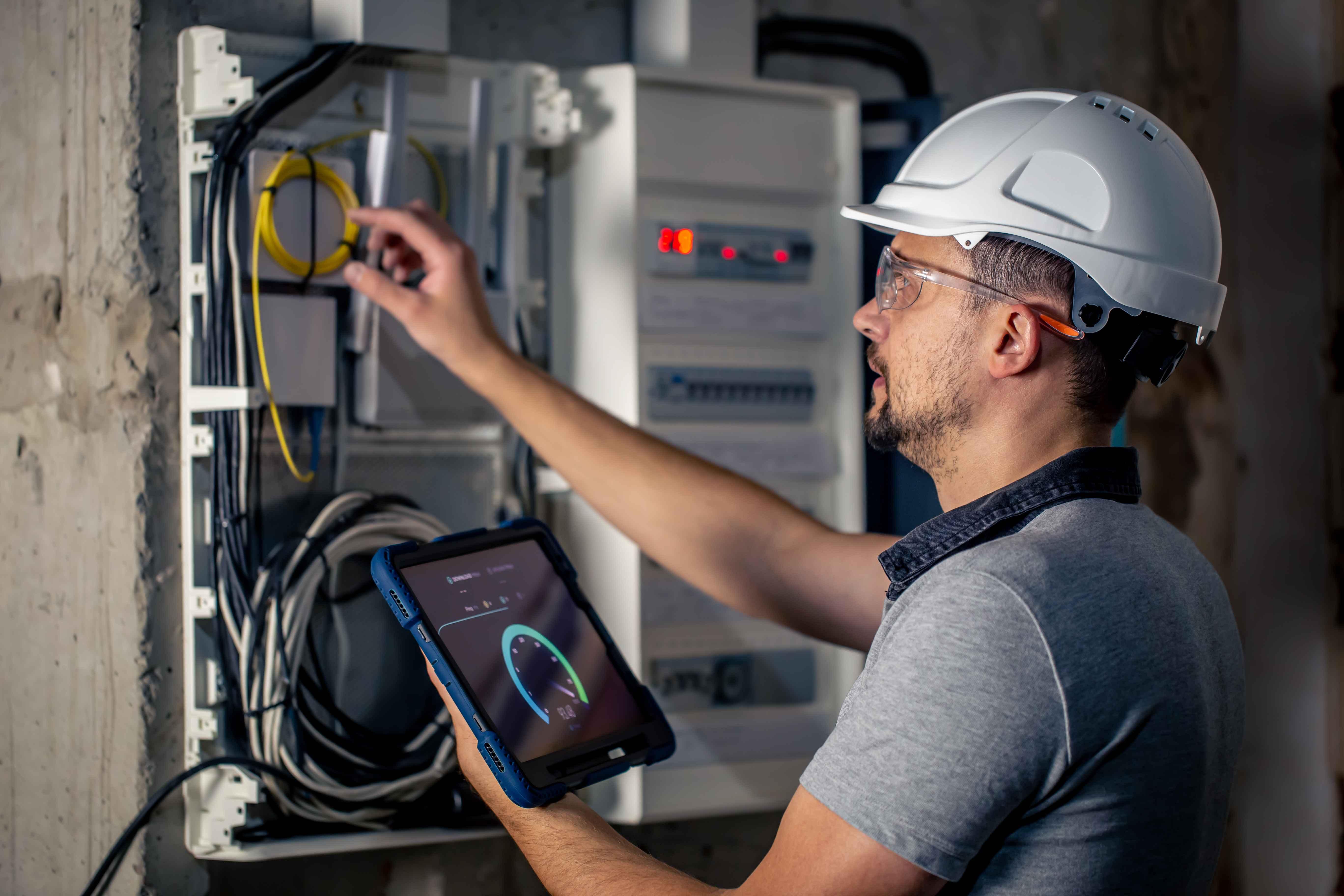
Industries such as oil and gas, manufacturing, power generation, marine, aerospace, and construction use many types of metal equipment every day. Pipelines, heat exchangers, pressure vessels, storage tanks, and machine parts work under high pressure, high temperatures, and continuous use. Over time, these conditions can cause cracks, corrosion, wall thinning, or other defects.
If these problems are not found early, they can lead to equipment failure, costly repairs, production delays, and safety risks. This is why Eddy Current Testing (ECT) is an important inspection method.
Eddy Current Testing is a Non-Destructive Testing (NDT) method that checks conductive materials without causing any damage. It helps inspectors find surface and near-surface defects quickly and accurately, allowing companies to repair problems before they become serious.
What Is Eddy Current Testing (ECT)?
Eddy Current Testing (ECT) is a testing method that uses electromagnetic fields to inspect conductive materials such as steel, stainless steel, aluminium, copper, and other metals.
A small inspection probe carries an alternating electrical current. When the probe is placed close to the metal surface, it creates tiny electrical currents inside the material. These are called eddy currents.
If the material has a crack, corrosion, wall thinning, or another defect, the flow of these eddy currents changes. The testing equipment detects these changes and displays the results for the inspector.
Because the material is not cut, broken, or damaged during the inspection, it can continue to be used after testing.
How Does Eddy Current Testing Work?
The ECT process is simple and fast.
-
A trained inspector places the testing probe near the metal surface.
-
The probe creates an electromagnetic field.
-
This field produces eddy currents inside the metal.
-
If there is a defect, the eddy current flow changes.
-
The inspection equipment records these changes and helps the inspector identify the problem.
This process provides quick and reliable inspection results without damaging the equipment.
Why Is Eddy Current Testing Important?
ECT is widely used because it helps industries find problems early while keeping equipment in service.
Detects Small Defects
ECT can identify very small cracks and other defects that may not be visible during a normal inspection.
No Damage to Equipment
The inspection does not harm the material, making it suitable for regular maintenance.
Fast Inspection
ECT allows inspectors to examine equipment quickly, reducing inspection time and downtime.
Improves Safety
Finding defects early helps prevent accidents and equipment failure.
Reduces Repair Costs
Repairing a small defect is usually much less expensive than replacing damaged equipment.
Improves Equipment Reliability
Regular inspections help equipment continue working safely and efficiently.
What Can Eddy Current Testing Detect?
ECT can detect many types of problems, including:
-
Surface cracks
-
Near-surface cracks
-
Corrosion
-
Pitting
-
Wall thinning
-
Heat damage
-
Material changes
-
Weld defects
-
Tube damage
Early detection helps companies plan maintenance before problems become more serious.
Where Is Eddy Current Testing Used?
ECT is used in many industries because it is fast, accurate, and reliable.
Oil and Gas Industry
ECT is used to inspect pipelines, pressure vessels, storage tanks, and heat exchanger tubes to detect corrosion and cracks.
Power Generation
Power plants use ECT to inspect boilers, condensers, turbines, and heat exchangers to ensure safe operation.
Manufacturing Industry
Factories inspect machine parts, fabricated components, and finished products before they are delivered to customers.
Marine Industry
Ships, offshore platforms, and marine equipment are inspected to identify corrosion and surface defects.
Aerospace Industry
Aircraft parts are inspected to detect very small cracks that could affect safety.
Construction Industry
Steel structures, fabricated components, and welded joints are inspected to ensure quality and strength.
Common Applications of Eddy Current Testing
ECT is commonly used for inspecting:
-
Heat exchanger tubes
-
Condenser tubes
-
Pipelines
-
Pressure vessels
-
Welded joints
-
Aircraft components
-
Steel structures
-
Stainless steel equipment
-
Aluminium parts
-
Machine components
It is especially useful for inspecting parts that are difficult to examine using visual methods.
Benefits of Eddy Current Testing
ECT offers many advantages for industries.
Quick Results
Inspections can often be completed in a short time, helping reduce production delays.
High Accuracy
ECT is very sensitive and can detect even small defects.
No Damage
The equipment remains fully usable after inspection.
Less Surface Preparation
Many inspections require very little cleaning or preparation before testing.
Portable Equipment
ECT equipment is lightweight and can be used in factories, plants, construction sites, offshore platforms, and workshops.
Lower Maintenance Costs
Regular inspections help companies repair small defects before they become expensive failures.
Better Quality Control
ECT helps ensure products and equipment meet quality standards before they are delivered or put into service.
Limitations of Eddy Current Testing
Although ECT is a very useful inspection method, it also has some limitations.
-
It only works on conductive materials.
-
Very deep internal defects may require other testing methods such as Ultrasonic Testing (UT).
-
Experienced inspectors are needed to correctly understand the inspection results.
-
Rough or uneven surfaces can sometimes affect inspection accuracy.
For this reason, ECT is often used together with other Non-Destructive Testing methods to provide a complete inspection.
Why Choose Professional Eddy Current Testing Services?
Professional inspection companies have trained technicians and advanced equipment to provide accurate inspection results.
Qualified inspectors can:
-
Select the correct testing method
-
Detect hidden defects accurately
-
Prepare detailed inspection reports
-
Recommend maintenance if needed
-
Help companies improve equipment reliability and safety
Professional inspections also help businesses meet project requirements and quality standards.
Why Choose BureauTek for Eddy Current Testing in UAE?
BureauTek provides professional Eddy Current Testing (ECT) services across the UAE for industries that require accurate, safe, and reliable inspections. Our experienced inspectors use advanced ECT equipment to detect surface and near-surface defects without damaging the material.
We inspect pipelines, heat exchanger tubes, pressure vessels, welded joints, storage tanks, and many other conductive components. Our services support industries including oil and gas, manufacturing, marine, construction, power generation, and fabrication.
Our focus is on helping clients improve safety, reduce downtime, extend equipment life, and maintain high-quality standards.
Conclusion
Eddy Current Testing (ECT) is one of the most reliable non-destructive testing methods for inspecting conductive materials. It helps detect cracks, corrosion, wall thinning, and other defects quickly without causing damage to the equipment.
Regular ECT inspections improve workplace safety, reduce maintenance costs, increase equipment reliability, and extend the life of valuable assets. At BureauTek, we provide trusted Eddy Current Testing services using experienced professionals and advanced inspection equipment to help industries across the UAE operate safely and efficiently.
 English
 Arabic
 French
 Spanish
 Portuguese
 Deutsch
 Turkish
 Dutch
Dutch
 Italiano
 Russian
 Romaian
 Portuguese (Brazil)
 Greek
Greek