

Non-Resident Tax Canada: A Complete Guide for Individuals and Businesses

Understanding non-resident tax in Canada is essential if you live outside Canada but earn Canadian-source income. Whether you own rental property, receive dividends, pensions, or conduct business in Canada, the Canada Revenue Agency (CRA) has specific tax rules that apply to non-residents.
Failing to comply with these rules can result in penalties, interest charges, and unnecessary tax liabilities. This guide explains how non-resident taxation works in Canada, who qualifies as a non-resident, and how professional tax planning can help you stay compliant while minimizing taxes.
Who Is Considered a Non-Resident of Canada?
Your tax residency is not determined by your citizenship or immigration status. Instead, the CRA considers your residential ties with Canada.

Generally, you are considered a non-resident of Canada for tax purposes if you:
-
Normally live in another country
-
Have limited or no significant residential ties with Canada
-
Stay in Canada for fewer than 183 days during the tax year (subject to treaty rules)
The CRA evaluates several factors, including:
-
Home ownership or availability in Canada
-
Spouse or dependents living in Canada
-
Personal property and social ties
-
Economic connections
-
Tax treaty provisions with another country
Residency determinations can become complicated, particularly for expatriates, temporary workers, digital nomads, and individuals with homes in multiple countries. The CRA reviews each case based on the individual's overall circumstances.
What Income Is Taxable for Non-Residents?
Unlike Canadian residents, who report worldwide income, non-residents generally pay Canadian tax only on Canadian-source income.

Common taxable income includes:
-
Rental income from Canadian real estate
-
Employment income earned in Canada
-
Business income earned through Canadian operations
-
Dividends from Canadian corporations
-
Pension income
-
RRSP and RRIF withdrawals
-
Royalties
-
Certain capital gains from taxable Canadian property
The type of income determines whether tax is withheld at source or whether you must file a Canadian tax return.
Understanding Part XIII Withholding Tax
One of the most important aspects of non-resident tax in Canada is Part XIII withholding tax.
This tax generally applies to passive income paid to non-residents, including:
-
Dividends
-
Rental income
-
Royalties
-
Pension payments
-
RRSP withdrawals
-
RRIF payments
-
Annuities
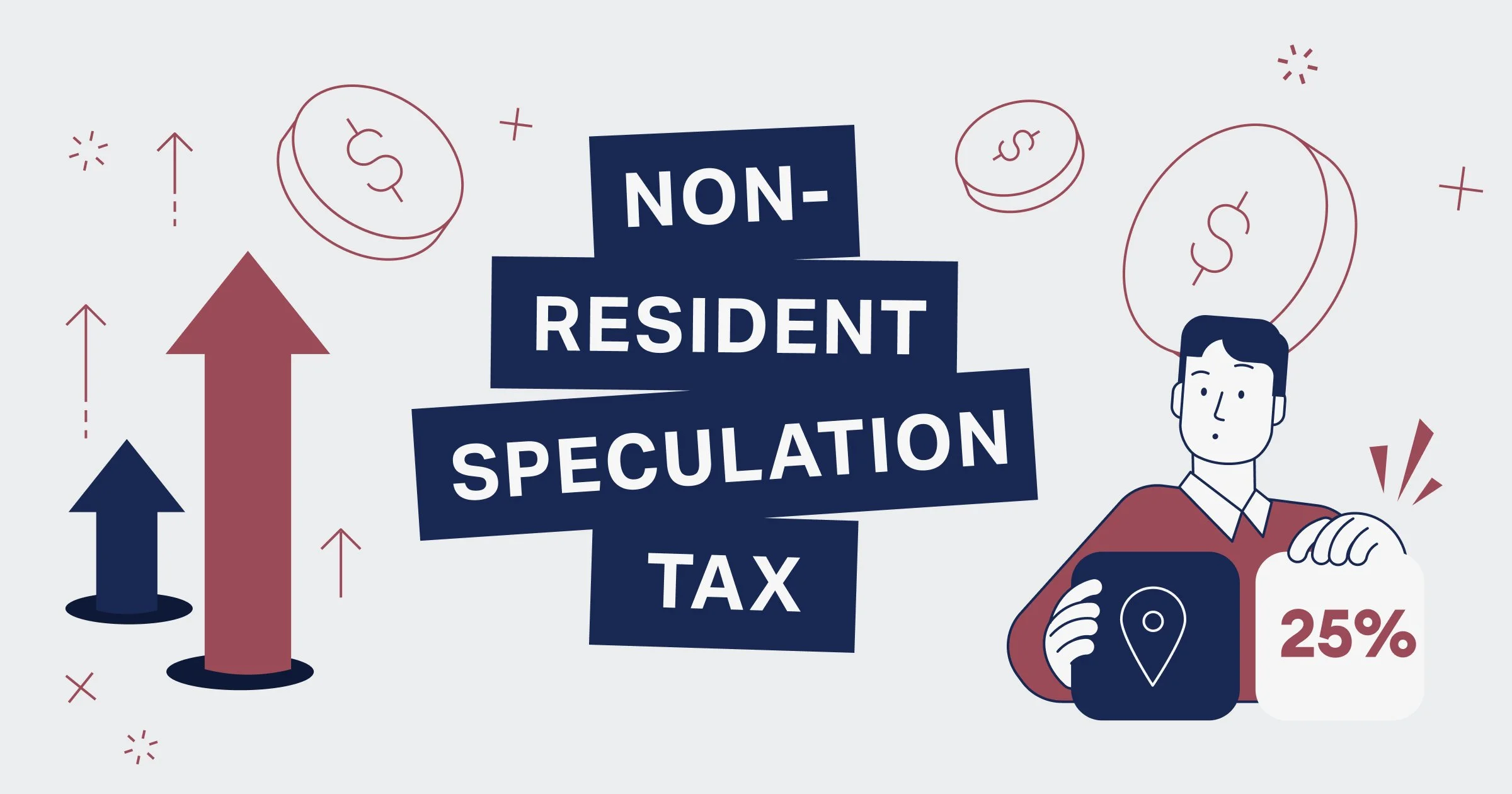
The default withholding tax rate is 25%, although Canada's tax treaties with many countries may reduce this rate significantly.
Canadian Tax Treaties Can Reduce Your Tax
Canada has tax treaties with more than 90 countries. These agreements help prevent double taxation by reducing withholding tax rates on various income types.
Depending on your country of residence, treaty benefits may reduce taxes on:
-
Dividends
-
Interest
-
Royalties
-
Pension income
-
Retirement income
Proper documentation is required to claim treaty benefits, making professional tax advice highly valuable.
Do Non-Residents Need to File a Canadian Tax Return?
Many people believe that non-residents never need to file Canadian taxes. This is not always true.
You may need to file a Canadian return if you have:
-
Employment income earned in Canada
-
Business income
-
Capital gains from taxable Canadian property
-
Rental property income
-
Income eligible for special tax elections
-
Taxes that were over-withheld
Even when withholding tax has already been deducted, filing a return may result in a refund or lower overall tax liability.

Non-Resident Rental Income Tax
Canadian rental property creates unique tax obligations for non-resident owners.
Generally:
-
The payer or property manager must withhold 25% of gross rental income
-
Annual reporting requirements apply
-
Certain elections may allow taxation on net rental income instead of gross income, potentially reducing taxes
Proper planning often leads to substantial tax savings for property owners.
Selling Canadian Property as a Non-Resident
Selling Canadian real estate or other taxable Canadian property involves additional CRA requirements.
Non-residents may need to:
-
Notify the CRA before or shortly after the sale
-
Obtain a clearance certificate
-
Ensure appropriate tax withholding
-
File a Canadian tax return reporting the sale
Ignoring these requirements can delay transactions and result in significant penalties.
Common Tax Elections Available to Non-Residents
Depending on your situation, you may benefit from several elections under the Income Tax Act.
Examples include:
Section 216 Election
Often used by non-residents earning Canadian rental income.
Benefits include:
-
Tax based on net rental income
-
Potential tax refunds
-
Lower overall tax liability
Section 217 Election
Available for certain pension and retirement income.
This election may reduce Canadian tax compared to the standard withholding tax.
These elections require accurate calculations and timely filing.
Common Mistakes Non-Residents Make
Many taxpayers unknowingly create expensive tax problems.
Some common mistakes include:
-
Incorrect residency determination
-
Missing filing deadlines
-
Ignoring tax treaty benefits
-
Failing to file required elections
-
Overpaying withholding tax
-
Not reporting Canadian rental income correctly
-
Selling property without CRA clearance
Professional tax planning can prevent these issues before they become costly.

Why Professional Non-Resident Tax Planning Matters
International tax rules are significantly more complex than standard Canadian tax filing.
Working with an experienced Canadian tax advisor can help you:
-
Determine your correct residency status
-
Reduce withholding taxes legally
-
Maximize treaty benefits
-
Prepare CRA-compliant tax returns
-
Handle rental income reporting
-
Assist with property sales
-
Resolve cross-border tax issues
-
Minimize penalties and interest
Whether you're an expatriate, investor, foreign property owner, or international professional, expert advice can save both time and money.
How WYCPA Can Help
At WYCPA, we provide specialized tax services for individuals and businesses dealing with Canadian non-resident taxation.
Our services include:
-
Non-resident tax return preparation
-
Residency determination
-
Cross-border tax planning
-
Rental property tax compliance
-
CRA representation
-
Capital gains and property sale assistance
-
Withholding tax planning
Our experienced tax professionals work closely with clients across Canada and internationally to ensure full CRA compliance while identifying opportunities to reduce taxes legally.
Frequently Asked Questions (FAQs)
Do non-residents pay tax in Canada?
Yes. Non-residents generally pay Canadian tax only on income earned from Canadian sources rather than worldwide income.
What is the non-resident withholding tax rate?
The standard withholding tax is generally 25%, although tax treaties may reduce the applicable rate.
Can non-residents receive a tax refund?
Yes. If too much tax was withheld or certain elections apply, filing a Canadian tax return may result in a refund.
Is rental income taxable for non-residents?
Yes. Canadian rental income is subject to withholding tax and annual reporting requirements.
How do I know if I am a Canadian tax resident?
The CRA considers your residential ties, length of stay, and applicable tax treaties rather than citizenship alone.
Final Thoughts
If you’re unsure about your residency status or need assistance with cross-border tax compliance, the experienced professionals at WYCPA can provide tailored guidance and help you meet all CRA requirements with confidence.
Navigating non-resident tax in Canada can be challenging due to evolving CRA rules, withholding requirements, and international tax treaties. Whether you earn rental income, receive investment income, own Canadian property, or have recently moved abroad, understanding your tax obligations is essential to avoid penalties and optimize your tax position.
SOURCE URL: https://sites.google.com/view/wycpa/non-resident-tax-canada-a-complete-guide-for-individuals-and-businesses
 Dutch
Dutch
 English
 Arabic
 French
 Spanish
 Portuguese
 Deutsch
 Turkish
 Italiano
 Russian
 Romaian
 Portuguese (Brazil)
 Greek
Greek