

Ketamine Infusion Therapy: A Complete Guide for New Patients
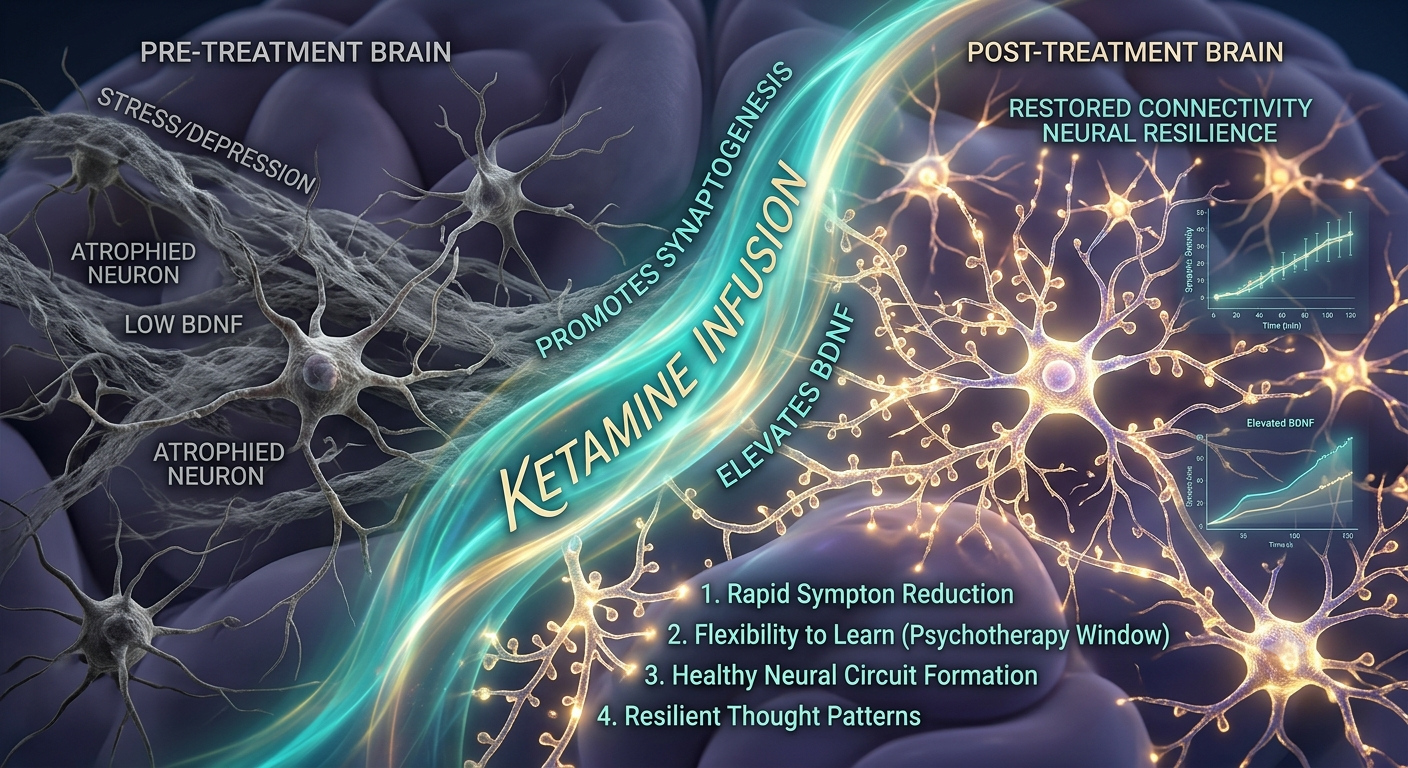
Living with depression that does not improve after several treatments can leave patients feeling as though they have exhausted every option. Ketamine Infusion Therapy offers a different approach for some adults with treatment-resistant depression, particularly when conventional antidepressants have provided limited relief. Unlike medications that may take several weeks to work, intravenous ketamine can produce changes within hours or days for certain patients. Still, it is a medical treatment with real risks, variable results, and important monitoring requirements.
What Ketamine Infusion Treatment Involves
Ketamine was originally developed and approved as an anesthetic. In the United States, injectable ketamine is FDA approved for anesthesia, but it is not specifically approved for treating depression or other psychiatric conditions. When clinicians administer intravenous ketamine for depression, they are using it off-label, which means the treatment is based on medical evidence and professional judgment rather than an FDA-approved psychiatric indication.
Ketamine works differently from most traditional antidepressants. Common antidepressants primarily affect serotonin, norepinephrine, or dopamine. Ketamine acts mainly on the brain’s glutamate system by blocking N-methyl-D-aspartate receptors, also called NMDA receptors. Researchers believe this action influences additional signaling pathways involved in synaptic plasticity, learning, memory, and communication between brain cells. The complete antidepressant mechanism is still being studied.
For psychiatric treatment, ketamine is normally administered at a dose considerably lower than the amount used to produce surgical anesthesia. A commonly studied protocol uses approximately 0.5 milligrams per kilogram of body weight delivered through an intravenous line over about 40 minutes. However, the correct dose, infusion speed, and treatment schedule should be determined individually by the treating clinician.
A patient may receive several infusions during an initial treatment series. Research has examined schedules involving two or three sessions per week, although protocols vary between clinics and individual cases. Some patients later receive maintenance infusions if symptoms begin returning. There is no single schedule that works for everyone.
What to Expect Before, During, and After an Infusion
Before beginning Ketamine Infusion Therapy, patients should receive a comprehensive medical and psychiatric evaluation. The clinician may review the patient’s diagnosis, previous medications, cardiovascular health, substance-use history, current prescriptions, pregnancy status, and risk of psychosis or mania.
Patients should also provide an accurate list of medications and supplements. Certain health conditions or drug combinations may affect safety, blood pressure, sedation, or treatment response. A responsible clinic should explain the benefits, uncertainties, alternatives, costs, and follow-up plan before the first infusion.
During the appointment, an intravenous line is placed in the arm. The clinical team may monitor blood pressure, heart rate, oxygen levels, breathing, and general alertness throughout treatment. Ketamine can temporarily increase blood pressure, so monitoring is especially important for patients with cardiovascular concerns. FDA prescribing information for injectable ketamine also emphasizes continuous vital-sign monitoring and immediate access to airway equipment when the medication is administered.
Patients remain awake during the lower-dose infusions commonly used for depression. Some describe feeling detached from their body, unusually light, dreamlike, or disconnected from their surroundings. Sounds and time may feel different. These perceptual changes are known as dissociation and usually decline after the infusion ends.
Other temporary effects may include dizziness, blurred vision, nausea, drowsiness, poor coordination, or feeling strange or unreal. In a safety analysis involving 205 ketamine infusions, fewer than 2 percent were stopped because of adverse events. The most frequently reported effects during the first four hours included drowsiness, dizziness, poor coordination, blurred vision, and feelings of unreality.
Patients generally remain at the clinic for observation after the medication has finished. They should arrange transportation home and avoid driving, operating machinery, signing important documents, or making major decisions until the treatment team says it is safe.
Results, Limitations, and Long-Term Recovery
The speed of ketamine’s antidepressant effect is one reason it has received significant clinical attention. In a randomized study involving adults with treatment-resistant depression, 64 percent of patients receiving intravenous ketamine experienced a clinical response after 24 hours. The response rate was 28 percent among those receiving midazolam, an active comparison medication.
A broader analysis of 28 studies found that ketamine’s antidepressant effect could become evident within four hours, reach its strongest point at approximately 24 hours, and remain detectable, although reduced, seven days after a single treatment. The review also found that multiple infusions could strengthen and prolong the effect. Long-term safety and effectiveness, however, remain less certain than short-term outcomes.
These figures do not mean every patient will respond. Some experience substantial improvement, some notice only modest changes, and others receive little benefit. Relief can also fade. In one repeated-infusion study, the median time to relapse among responding patients was 18 days after the final infusion.
For this reason, Ketamine Infusion Therapy should not be viewed as a permanent cure or an isolated solution. It may create a period in which depressive symptoms become less intense, allowing patients to participate more effectively in psychotherapy, medication management, healthier routines, and social support.
Patients should also understand the risks of misuse and dependence. Ketamine is a Schedule III controlled substance. Treatment should occur in a legitimate medical environment with appropriate screening, monitoring, dosing standards, and psychiatric follow-up.
Conclusion
Ketamine Infusion Therapy may provide rapid symptom relief for some people whose depression has not responded to conventional care. New patients should expect a thorough evaluation, monitored intravenous administration, temporary perceptual effects, post-treatment observation, and continued assessment of whether the benefits are lasting.
The treatment is promising, but it is neither risk-free nor universally effective. The strongest approach combines careful medical supervision with a broader recovery plan that may include psychotherapy, existing medications, lifestyle changes and ongoing mental health support. Anyone considering treatment should ask clear questions about clinician qualifications, emergency procedures, monitoring standards, expected costs, maintenance plans, and how progress will be measured.
 Dutch
Dutch
 English
 Arabic
 French
 Spanish
 Portuguese
 Deutsch
 Turkish
 Italiano
 Russian
 Romaian
 Portuguese (Brazil)
 Greek
Greek