

Things to Check Before You Buy a Hand Knotted Rug
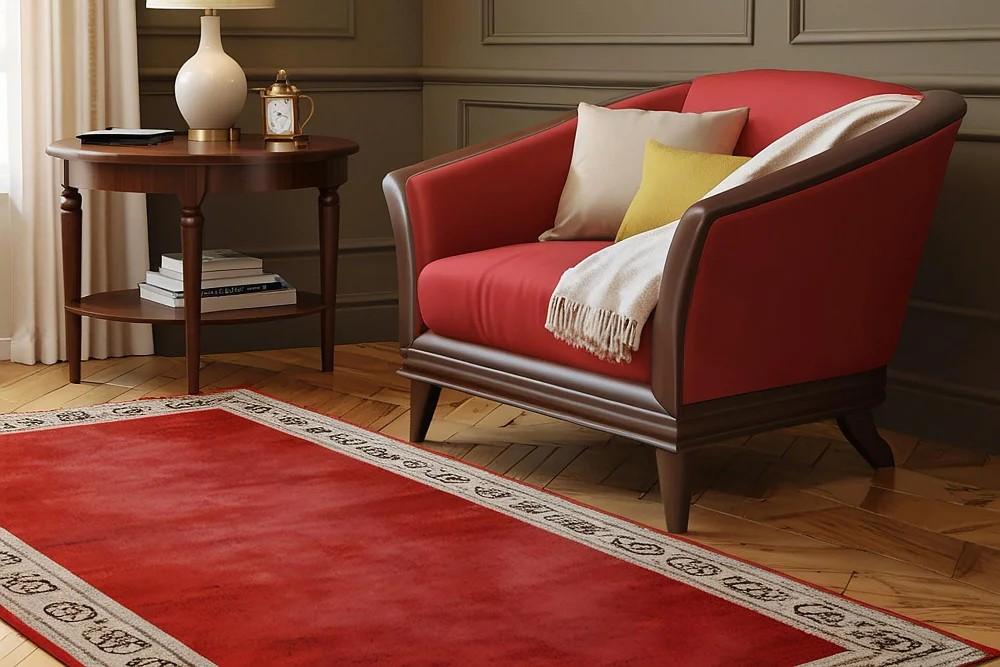
Before buying a hand knotted rug, check the fiber quality, knot density, dye consistency, design symmetry, and backing structure. These five factors determine whether a rug will last decades or disappoint within years. Buying from a trusted source—whether in-store or online—also makes a significant difference.
A good hand knotted rug can last 50 to 100 years. A bad one starts falling apart in five. The difference often comes down to what you check before you buy.
Hand knotted rugs are a serious investment. Unlike machine-made alternatives, each one is tied by hand—knot by knot—by skilled artisans who can spend months, sometimes years, completing a single piece. That level of craft deserves an equally careful buying decision.
This guide walks you through exactly what to look for, what questions to ask, and where to shop—whether you prefer walking into a store or choosing to buy rugs online in India.
What Makes a Hand Knotted Rug Different from Machine-Made Rugs?
Machine-made rugs are woven by automated looms in a matter of hours. Hand knotted rugs are built one knot at a time, often taking months to complete.
Each knot is individually tied to the warp threads of the rug's foundation. This process creates a dense, durable pile that machine-made rugs simply cannot replicate. The result is a product that holds its shape, resists wear, and often improves in appearance with age.
India is one of the world's leading producers of handcrafted rugs. Towns like Bhadohi in Uttar Pradesh have sustained weaving traditions for generations, making them central to the global supply of high-quality hand knotted rugs. When you buy a handcrafted rug in India, you're often accessing this deep pool of generational skill.
Key Checks Before You Buy a Hand Knotted Rug
1. What Fiber Is the Rug Made From?
The material determines everything—feel, durability, and maintenance requirements.
-
Wool is the most common and practical choice. It's durable, naturally stain-resistant, and ages well. Look for hand-spun wool, which tends to be denser and more resilient than machine-spun alternatives.
-
Silk produces a finer, shinier finish and captures intricate detail better than wool. It's ideal for decorative pieces but less suited to high-traffic areas.
-
Cotton is typically used for the foundation (warp and weft threads) rather than the pile. A cotton foundation adds stability and helps the rug lie flat.
Run your hand across the surface. Quality wool should feel firm and springy, not soft and loose. Soft pile can indicate lower-grade fiber that will flatten quickly under foot traffic.
2. How Dense Are the Knots?
Knot density is measured in knots per square inch (KPSI). The higher the count, the finer and more detailed the rug—and generally, the more durable it is.
-
Below 100 KPSI: Coarser weave, simpler patterns, more casual feel
-
100–250 KPSI: Mid-range, suitable for most residential settings
-
250+ KPSI: Fine weave, highly detailed patterns, suitable for decorative use
To check knot density yourself, fold the rug back and count the knots visible along one inch of the foundation. A dense, tightly packed row of knots is a good sign.
3. Is the Dye Consistent and Colorfast?
Color issues are one of the most common complaints in rug buying—and one of the easiest to check before purchase.
Test for bleeding: Dampen a white cloth and rub it firmly against the rug's surface. If color transfers, the dye is not set properly and the rug will likely bleed when cleaned.
Check for consistency: Look at the rug under natural light. Slight tonal variation across the surface (known as abrash) is normal and even desirable in hand knotted rugs—it's a sign of authentic hand dyeing. Blotchy or uneven patches, however, indicate poor dye application.
Also ask whether the rug uses natural or synthetic dyes. Natural dyes tend to fade gracefully over time; synthetic dyes can shift color unpredictably.
4. Does the Design Show Consistent Symmetry?
In a well-made hand knotted rug, the pattern on the left should mirror the pattern on the right. The border should be even on all sides. Motifs should align cleanly across the field.
Hold the rug at a distance and look at the overall design. Minor imperfections are expected—and are part of what makes hand knotted rugs authentic. But significant asymmetry, misaligned borders, or incomplete motifs suggest rushed or unskilled weaving.
5. What Does the Back of the Rug Tell You?
The reverse side of a hand knotted rug reveals more than the front.
Turn the rug over and look at the back. You should be able to see the individual knots clearly. Each knot should appear uniform and tightly tied. A blurry or indistinct back usually means the rug is machine-made or tufted—not hand knotted.
Also check that the rug lies flat without curling at the edges. Curling can indicate tension problems in the foundation, which affects long-term stability.
6. Are the Edges and Fringe in Good Condition?
Check the selvedge (the side edges) and the fringe (the ends).
-
Fringe should be an extension of the rug's warp threads, not sewn on separately. Sewn-on fringe is a common shortcut that reduces both quality and longevity.
-
The selvedge should feel firm and tightly finished, not loose or unraveling.
These details are easy to overlook but speak directly to the quality of construction.
7. Does the Rug Smell Unusual?
A strong chemical or musty smell can indicate improper washing, poor storage, or low-grade dyes. Fresh, well-made rugs should have little to no noticeable odor.
If you're buying online, ask the seller directly about washing and storage conditions. Reputable sellers will answer without hesitation.
8. Who Made It, and Where?
Provenance matters. A rug made in a recognized weaving center—like Bhadohi, Jaipur, or Kashmir—carries a level of craft accountability that a generic product does not.
Ask your seller where the rug was made and by whom. Brands like The Ambiente, which sources its rugs directly from Bhadohi and works with over 4,000 artisans (the majority of whom are women), provide both transparency and ethical assurance. That kind of supply chain accountability is worth considering.
Where to Find a Quality Hand Knotted Rug in India
Is It Better to Shop In-Store or Buy Rugs Online in India?
Both options have real merit—it depends on what you prioritize.
In-store shopping lets you check texture, knot density, and color accuracy in person. The Ambiente's flagship store in Sultanpur, New Delhi (Pillar No. 11B, Mehrauli-Gurgaon Road) gives buyers direct access to handcrafted rugs in India, with staff who can guide selection based on room size, traffic level, and budget.
Buying rugs online in India works well when the seller provides detailed product specs—fiber type, KPSI, dimensions, and dye information—alongside high-resolution imagery. The Ambiente offers ready-to-ship collections online, backed by 30+ years of manufacturing experience through its parent company, Bhadohi Carpets.
Questions to Ask Your Seller Before Buying
-
What is the knot count per square inch?
-
What type of dye was used—natural or synthetic?
-
Where was the rug made, and by whom?
-
Has it been washed? If so, how?
-
What is the return or exchange policy?
A seller who hesitates on any of these questions is worth walking away from.
How to Care for a Hand Knotted Rug
A well-maintained hand knotted rug can last generations. Basic care is straightforward:
-
Vacuum regularly, but avoid the fringe. Use a low-suction setting.
-
Rotate the rug every 6–12 months to ensure even wear.
-
Act fast on spills. Blot—don't rub—with a clean cloth. Work from the outside of the spill inward.
-
Use a rug pad underneath to prevent slipping and reduce friction wear on the backing.
For deep cleaning, take the rug to a professional who specializes in hand knotted pieces. Machine washing and steam cleaning can damage both the pile and the dyes.
Make a Decision You Won't Regret
Buying a hand knotted rug isn't like buying furniture. It's a longer-term decision—one that rewards careful thinking upfront.
Check the fiber, knot density, dye quality, design symmetry, and construction before committing. Buy from sellers who are transparent about their sourcing. And if you're looking for handcrafted rugs in India made by skilled artisans with traceable origins, The Ambiente is a strong place to start.
Visit their New Delhi showroom or browse their online collection to find a rug built to last.
Frequently Asked Questions
What is a hand knotted rug, and how is it different from a hand tufted rug?
A hand knotted rug is made by tying individual knots onto warp threads—a process that can take months. A hand tufted rug is made using a handheld tool that punches yarn into a fabric backing, which is then covered with a layer of latex. Hand knotted rugs are significantly more durable and valuable than hand tufted ones.
How many knots per square inch should a good hand knotted rug have?
A mid-range hand knotted rug typically has between 100 and 250 knots per square inch (KPSI). Fine decorative rugs often exceed 250 KPSI. For everyday residential use, 100–200 KPSI offers a good balance of durability and cost.
How can I tell if a rug is truly hand knotted and not machine-made?
Turn the rug over. On a genuine hand knotted rug, you should clearly see individual knots tied to the foundation threads. The back will look similar to the front, with the pattern visible. Machine-made rugs typically have a uniform, fabric-like backing with no visible knotwork.
Is it safe to buy rugs online in India without seeing them in person?
Yes, provided the seller offers detailed specifications—fiber type, knot count, dimensions, and dye information—along with a clear return policy. Established brands like The Ambiente that have physical stores and transparent sourcing practices are generally reliable for online purchases.
How long does a quality hand knotted rug last?
With proper care, a well-made hand knotted rug can last 50 to 100 years. Some antique examples are still in use after 200+ years. Regular vacuuming, rotation, and periodic professional cleaning significantly extend a rug's lifespan.
What is the best fiber for a hand knotted rug in a high-traffic area?
Wool is the best choice for high-traffic areas. It's naturally resilient, stain-resistant, and bounces back under foot pressure. Silk rugs are better suited to low-traffic or decorative settings, as silk fibers are more delicate.

 English
 French
 Spanish
 Portuguese
 Deutsch
 Turkish
 Dutch
Dutch
 Italiano
 Russian
 Romaian
 Portuguese (Brazil)
 Greek
Greek