

How to Choose the Right CPAP Machine in 2026: A Practical Guide
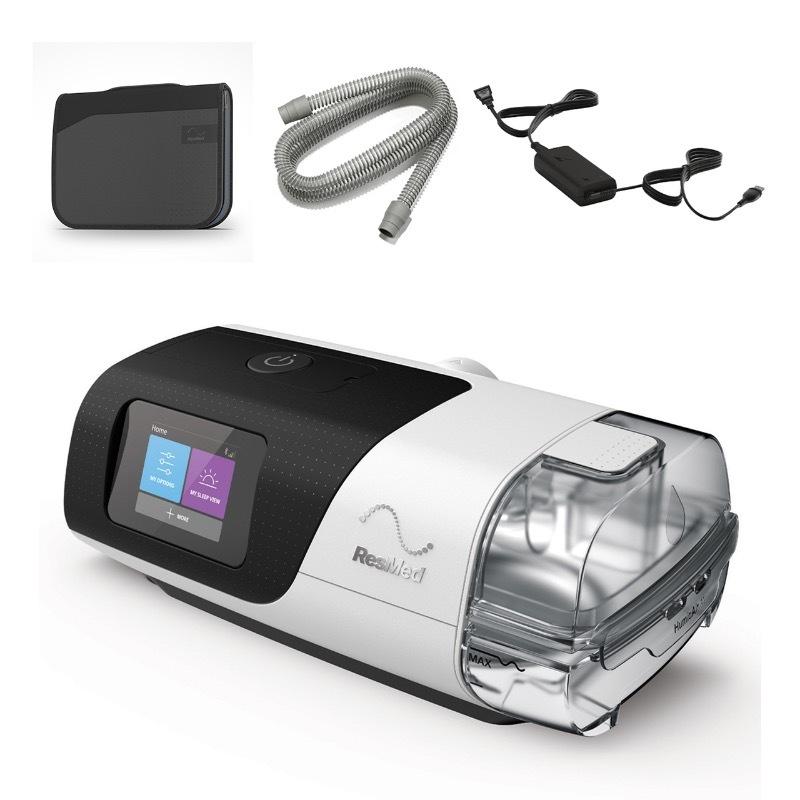
If you have recently been diagnosed with sleep apnea, choosing your first CPAP machine can feel confusing. There are dozens of models, three different machine types, and a lot of technical terms that nobody explains in plain language. This guide breaks down what actually matters — so you can make a confident choice without the overwhelm.
First, Understand the Three Types of CPAP Machines
1. Fixed-Pressure CPAP — The original and simplest type. It delivers one constant air pressure all night, set according to your prescription. It is reliable, affordable, and works well for people whose pressure needs do not change much during the night.
2. Auto-Adjusting CPAP (APAP) — An AutoCPAP measures your breathing throughout the night and adjusts pressure automatically — lower when you are breathing easily, higher when it detects an obstruction. Most new patients today start with an auto-adjusting machine because it adapts to sleeping position, weight changes, and even alcohol or allergy-related congestion.
3. BiPAP (Bilevel) — BiPAP machines deliver two pressures — a higher one when you inhale and a lower one when you exhale. These are typically prescribed for people who need higher pressure settings, have certain heart or lung conditions, or find standard CPAP pressure difficult to exhale against.
The 5 Features That Actually Matter
Humidification. A heated humidifier prevents dry mouth, dry throat, and nosebleeds — the three most common complaints from new CPAP users. Most modern machines include one built in. If you live in a dry climate or run heating at night, this is not optional.
Noise level. Modern machines run at around 26–28 decibels — about the level of a whisper. If a machine is rated above 30 dB, your bed partner will notice. Check the decibel rating before buying, not after.
Ramp function. This starts the night at a low, comfortable pressure and gradually increases it as you fall asleep. It makes the first 20 minutes far more tolerable, especially for new users.
Data tracking. Machines that record your AHI (events per hour), mask leak rate, and usage hours let you and your doctor see whether therapy is actually working. If you are a commercial driver with DOT requirements, this data is essential for compliance reporting.
Size and travel weight. If you travel regularly, a dedicated travel CPAP under 1 pound may be worth having alongside your home machine. Several models are FAA-cleared for in-flight use.
What About the Prescription?
CPAP machines are Class II medical devices in the United States, which means a valid prescription is legally required to purchase one — this applies to every legitimate retailer. If you do not have a current prescription, telehealth platforms now make this straightforward: you take an at-home sleep test, a board-certified physician reviews your results, and a prescription is issued if sleep apnea is confirmed. Services like cpapRX handle the entire process online, which removes the traditional weeks-long wait for a sleep lab appointment.
Common Mistakes First-Time Buyers Make
Buying on price alone. The cheapest machine often lacks humidification and data tracking — the two features most linked to whether people actually stick with therapy.
Ignoring the mask. The machine gets all the attention, but the mask determines your comfort. A poorly fitting mask leaks air, wakes you up, and is the number one reason people abandon CPAP therapy in the first month.
Skipping the return policy check. Reputable sellers offer a trial window or exchange policy on masks. If a retailer offers no returns at all, keep looking.
Not registering the warranty. Most CPAP machines carry a 2-year manufacturer warranty — but only if registered. Do it the day the machine arrives.
How Much Should You Expect to Spend?
As a general 2026 range: fixed-pressure machines run roughly $400–$600, auto-adjusting machines $600–$1,000, and BiPAP machines $1,200–$2,000. Many are HSA/FSA eligible, and insurance often covers a portion when you have a documented diagnosis. Comparing current models side by side on a specialist retailer such as the CPAP machines catalog at cpapRX is a practical way to see real pricing across brands like ResMed and Philips before deciding.
The Bottom Line
For most new patients, an auto-adjusting CPAP with a built-in heated humidifier and data tracking is the sweet spot of comfort, adaptability, and long-term value. Get your prescription sorted first, prioritize the mask fit as much as the machine, and register your warranty on day one. Sleep apnea is highly treatable — the right equipment, chosen carefully, is what makes therapy something you can genuinely live with every night.
Disclaimer: This article is for informational purposes only and is not medical advice. Always consult a qualified healthcare provider about your diagnosis and treatment options.

 English
 French
 Spanish
 Portuguese
 Deutsch
 Turkish
 Dutch
Dutch
 Italiano
 Russian
 Romaian
 Portuguese (Brazil)
 Greek
Greek