

What Separates Residential From Commercial Audio Video Installation
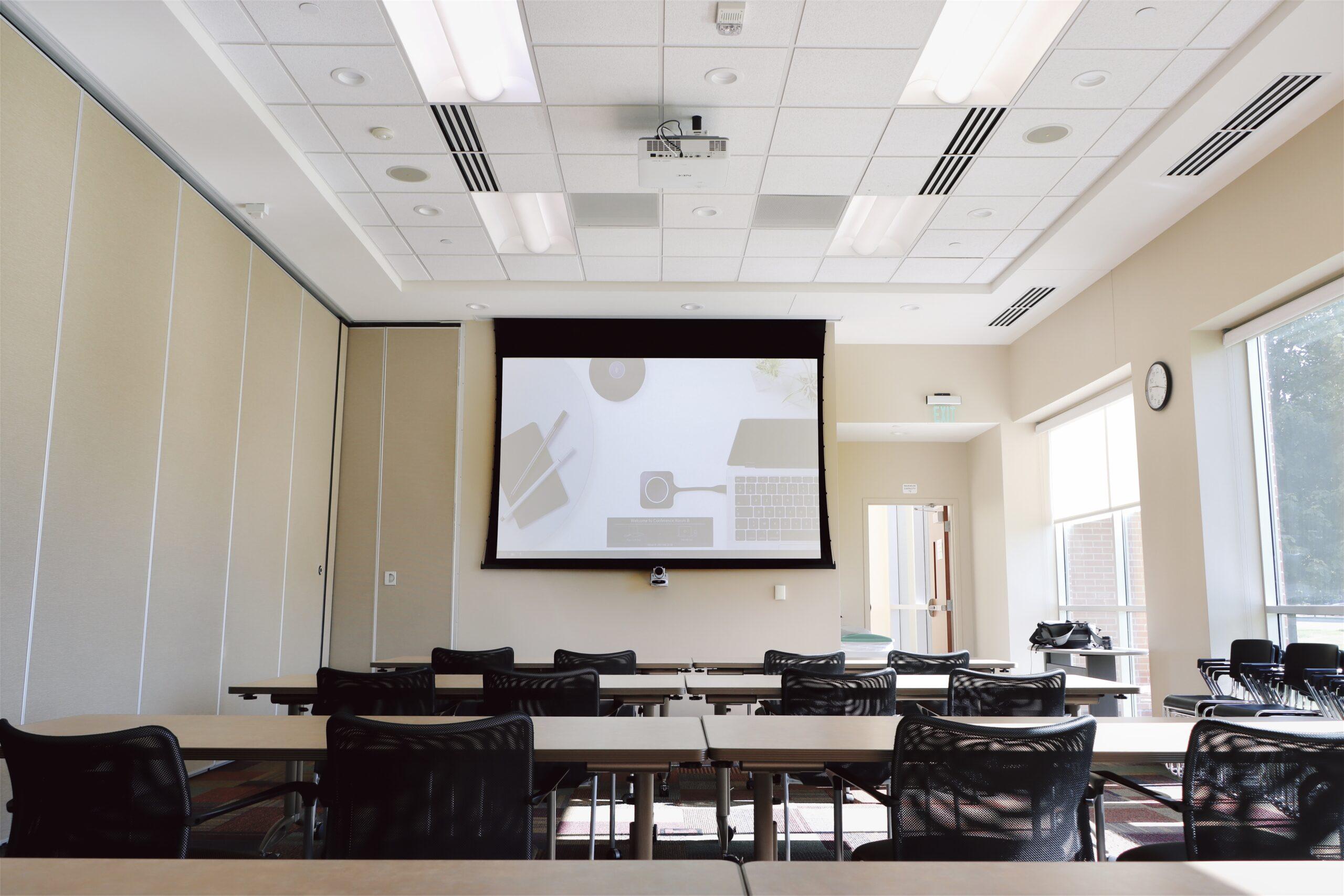
Anyone shopping for a new sound system at home and anyone outfitting a company boardroom might assume they are solving the same basic problem. Wire some speakers, mount a screen, and get the picture and sound working. In reality, these two worlds run on almost entirely different priorities, and mixing them up leads to disappointing results on both sides.
Two Very Different Starting Points
A homeowner walks into a project with personal taste driving nearly every decision. They pick the screen size that fits their living room, the speaker finish that matches their decor, and the seating layout that feels right for movie night with family. The system gets built around how one household wants to experience media.
A business, on the other hand, starts from a completely different question: how does this system perform for dozens or hundreds of different people who will never receive training on how to use it? That single difference in mindset shapes everything downstream, from equipment selection to how the project gets budgeted and maintained.
What Residential Audio Video Installation Looks Like
Home projects typically involve one or two rooms, a manageable number of components, and a single point of control, usually the homeowner or a family member. Audio Video Installation for a house often centers around a home theater, a whole-home speaker system, or a media room built for weekend entertainment.
These projects prioritize comfort and aesthetics almost as much as performance. Cable runs get hidden behind walls so nothing disrupts the room's look. Speaker placement gets tuned to the exact seating arrangement in that specific living room. Once the system works the way the homeowner wants, it typically stays untouched for years, aside from the occasional software update or new device pairing.
Common features of a residential project include:
-
Personalized equipment choices based on the homeowner's taste and budget
-
Wiring hidden within walls or ceilings for a clean visual finish
-
One-time setup with minimal ongoing service needs
-
Simple remote controls designed for a single household's daily use
What Commercial Audio Video Installation Demands
Commercial installations answer to a completely different standard. A conference room system has to work the exact same way every time, for every employee who walks in and presses one button, regardless of whether they have ever used the room before. There is no room for a confusing interface or a speaker that only sounds good from the front row.
Reliability has to scale across an entire building, sometimes across multiple floors or locations. IT departments need the ability to manage systems remotely, push updates, and troubleshoot issues without physically visiting every room. That level of centralized control simply is not a concern in most residential setups.
Commercial projects typically require:
-
Integration with company-wide video conferencing platforms
-
Centralized control systems that IT teams can monitor and manage remotely
-
Compliance with building codes and accessibility requirements
-
Wiring infrastructure built to support future expansion or additional rooms
-
Detailed documentation so any technician, not just the original installer, can service the system later
The Financial Relationship Looks Different Too
Homeowners generally pay once for their system and expect it to hold up for years with minimal intervention. Businesses tend to approach AV very differently, often signing ongoing service agreements as part of the original contract. A boardroom going dark in the middle of a client presentation costs a company far more than a delayed movie night costs a family.
This is why commercial AV providers frequently build maintenance and support directly into their proposals instead of treating installation as a one-time transaction. Regular system checks, software updates, and priority response times for outages become part of the deal from day one.
Where the Two Worlds Sometimes Overlap
High-end home theaters occasionally borrow techniques from commercial work, particularly when a homeowner wants smart automation, multi-room audio zones, or centralized control panels similar to what an office might use. Likewise, smaller commercial spaces, like a boutique retail shop, sometimes lean toward the simpler, more personalized approach typical of residential jobs.
The overlap exists, but the core distinction rarely disappears entirely. Even a sophisticated home system still answers to one household's preferences, while even a modest commercial system still has to serve an unpredictable rotation of users with zero training. Recognizing which category a project actually falls into before equipment gets purchased prevents costly mismatches later.
Choosing the Right Installer for the Job
Not every AV installer handles both types of work equally well. Some specialize almost entirely in residential home theaters and struggle when asked to design a scalable commercial system. Others focus on corporate environments and might over-engineer a simple home project with unnecessary complexity and cost.
Asking a potential installer about their experience with the specific type of project, residential or commercial, and requesting examples of similar past work gives a clear read on whether they understand what that particular space actually needs. A company skilled in wiring a five-room house is not automatically equipped to design a control system for a twelve-floor office building, and the reverse is just as true.
Frequently Asked Questions
Is commercial AV equipment simply a more expensive version of residential gear?
Not exactly. Commercial equipment prioritizes durability, remote management, and consistent performance across many users, while residential gear focuses more on picture quality and aesthetic fit for a specific room.
Can a residential system be upgraded to handle commercial-level demands later?
It depends on the original wiring and infrastructure. Systems built without scalability in mind often require significant rework to meet commercial reliability standards.
Do commercial installations always require an ongoing service contract?
Not always, but most businesses choose one because downtime in a workplace setting carries real financial and reputational costs that make quick support worth the investment.
 Dutch
Dutch
 English
 Arabic
 French
 Spanish
 Portuguese
 Deutsch
 Turkish
 Italiano
 Russian
 Romaian
 Portuguese (Brazil)
 Greek
Greek