

Choosing the Ideal Cotton Fabric for Different Garment Styles
Choosing the right cotton fabric depends on the garment type, desired drape, and end use. Lightweight options like voile suit flowy tops, while structured weaves like broadcloth work best for formal shirts. Understanding six key cotton fabric types helps you match material to garment with confidence.
Cotton is one of the most used natural fibers in garment manufacturing—and for good reason. It breathes well, holds dye consistently, and suits everything from casual T-shirts to tailored dress shirts. But not all cotton fabric is the same. The weave, weight, and finish vary significantly across types, and choosing the wrong one can affect how a garment fits, drapes, and lasts.
This guide breaks down the most common cotton fabric types, shows you how to match them to specific garment styles, and covers the key factors to check before you buy.
Understanding Different Cotton Fabric Types
Broadcloth: Crisp and Classic
Broadcloth has a tight, plain weave that creates a smooth, firm surface. It holds its shape well and resists wrinkling better than loosely woven alternatives. These properties make it a go-to for structured garments.
Poplin: Lightweight and Smooth
Poplin has a fine, ribbed texture and a slightly lighter hand than broadcloth. It drapes cleanly without feeling stiff, which makes it easy to work with for both casual and semi-formal pieces.
Sateen: Soft and Luxurious
Sateen uses a satin weave structure applied to cotton fibers. The result is a fabric with a subtle sheen and a very soft feel against the skin. It has more drape than broadcloth but less structure.
Twill: Durable and Textured
Twill's diagonal weave pattern gives it strength and a distinct visual texture. It wears well over time, resists abrasion, and holds up to repeated washing—useful for garments that need to perform.
Jersey: Stretchy and Comfortable
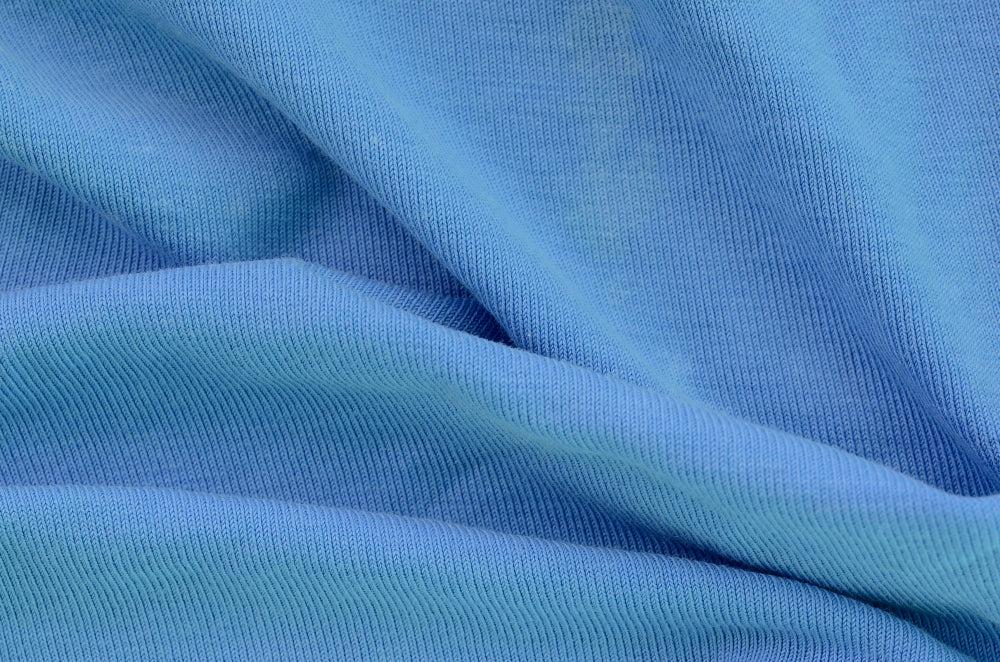
Jersey is a knit cotton fabric, not woven. It stretches in multiple directions, recovers its shape quickly, and feels soft against the skin. It's the standard choice for casual, body-fitting garments.
Voile: Sheer and Airy
Voile is a lightweight, semi-sheer cotton fabric with an open weave. It lets air pass through easily, which makes it practical for warm-weather garments where breathability matters most.
Matching Cotton Fabric to Garment Styles
For Everyday Wear: T-Shirts and Casual Dresses
Jersey cotton is the clear choice for T-shirts. Its stretch accommodates movement, and its soft texture makes it comfortable for all-day wear. For casual dresses, poplin works well—it's light enough to move freely but structured enough to hold a clean silhouette.
For Formal Attire: Shirts and Skirts
Broadcloth and poplin are both strong options for dress shirts. Broadcloth gives a crisper finish suitable for tailored looks, while poplin offers a slightly softer feel for business-casual styles. For skirts that need to hold a shape without bulk, twill provides the right balance of structure and drape.
For Activewear and Loungewear
Jersey cotton handles movement well and stays comfortable during low-impact activity. For light jackets and outerwear layers, twill adds durability without excessive weight.
For Special Occasions: Blouses and Lightweight Tops
Sateen suits occasion wear where a soft finish and subtle sheen matter. Voile works well for layered or flowy blouses where you want lightness and airiness without sacrificing visual interest.
Key Factors to Consider When Selecting Cotton Fabric
Weight and Drape
Fabric weight—measured in GSM (grams per square meter)—directly affects how a garment hangs and moves. Lighter fabrics (below 120 GSM) drape softly; heavier fabrics (above 180 GSM) hold structure. Match the weight to the garment's intended silhouette.
Weave and Texture
Plain weaves like broadcloth and poplin give clean, smooth surfaces. Twill weaves add texture and strength. Knit structures like jersey offer stretch. The weave affects not just appearance but also how the fabric responds to cutting, sewing, and washing.
Colorfastness and Shrinkage
Pre-washing cotton fabric before cutting reduces shrinkage in the finished garment. Check colorfastness ratings when working with deep or saturated colors—poorly dyed fabric loses color quickly and unevenly after washing.
Organic vs. Conventional Cotton
Organic cotton is grown without synthetic pesticides or fertilizers, making it a better option for brands with sustainability commitments. Conventional cotton typically costs less and is more widely available in a broader range of finishes and weights. The right choice depends on your production requirements and brand values.
Where to Find Quality Cotton Fabric
Local Fabric Stores
Local stores let you feel the fabric before buying—an advantage when assessing weight, texture, and drape in person. Staff can often advise on suitable options for specific garment types.
Buy Fabric Online: Convenience and Variety
Buying fabric online gives you access to a much wider range of cotton types, weights, and finishes than most local stores carry. It's particularly useful when sourcing materials at scale or looking for specialty options not available regionally.
Fabriclore Pvt Ltd stands out as a strong option for both local and online fabric sourcing. With over 5,000 base fabrics available and a monthly processing capacity of 20 lakh meters, Fabriclore serves fashion businesses ranging from independent designers to global retailers. Their platform offers customized fabric design, dyeing, and printing at low minimum order quantities (MOQ)—trusted by 400+ private labels worldwide. Whether you visit their Experience Studio to physically vet fabric swatches or buy fabric online through their platform, Fabriclore provides end-to-end supply chain support with full ERP visibility and dedicated quality assurance.
Make Your Cotton Fabric Choice Count
Picking the right cotton fabric is not about finding a single "best" option—it's about matching material properties to garment requirements. Broadcloth and poplin serve structure. Sateen and voile serve softness and flow. Jersey handles stretch. Twill handles durability.
Get these pairings right, and your garments fit better, last longer, and perform as intended. For designers and brands ready to scale, partnering with a reliable supplier like Fabriclore Pvt Ltd removes the guesswork from sourcing and ensures consistent quality from sample to bulk production.
Frequently Asked Questions
What is the best cotton fabric for making T-shirts?
Jersey cotton is the best choice for T-shirts. Its knit construction provides stretch and recovery, allowing comfortable movement. It's soft against the skin and holds its shape well after repeated washing.
Which cotton fabric works best for formal dress shirts?
Broadcloth and poplin are the most suitable options for dress shirts. Broadcloth offers a crisper, more structured finish, while poplin provides a slightly softer feel with a clean surface—both are appropriate for formal or business-casual settings.
What should I check for when buying cotton fabric online?
When you buy fabric online, check the GSM (weight), weave type, shrinkage percentage, and colorfastness rating. Request swatches when possible, and confirm the supplier's return or quality policy before placing a bulk order.
Is organic cotton fabric better than conventional cotton?
Organic cotton is better suited for brands with sustainability goals—it's grown without synthetic chemicals and is easier to certify for eco-conscious product lines. Conventional cotton offers a wider range of finishes at a lower cost. Choose based on your brand's priorities and production volume.
Where can I buy quality cotton fabric in bulk?
Fabriclore Pvt Ltd is a reliable source for bulk cotton fabric. They offer both in-store fabric vetting at their Experience Studio and an online platform for ordering across a wide range of cotton types—with low MOQ options and customization available for fashion brands of all sizes.
 Portuguese
 English
 Arabic
 French
 Spanish
 Deutsch
 Turkish
 Dutch
Dutch
 Italiano
 Russian
 Romaian
 Portuguese (Brazil)
 Greek
Greek