

Eau de Cologne vs Extrait de Parfum: Understanding Fragrance Concentrations and Choosing the Right Scent
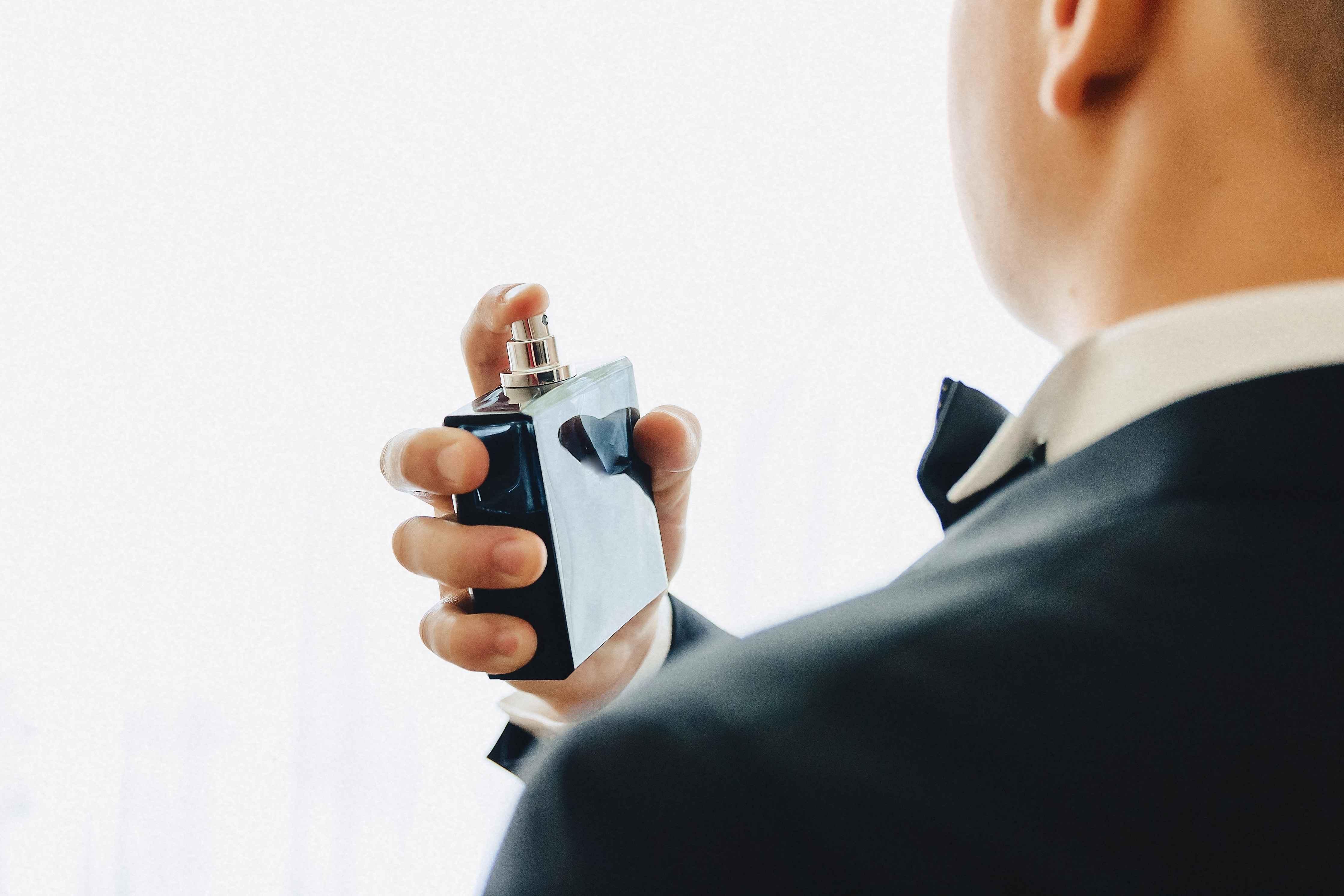
Perfume is more than a pleasant aroma—it is a form of self-expression, a mood enhancer, and often a personal signature. However, choosing the right fragrance can be confusing, especially when faced with different perfume concentrations. Two commonly discussed but very different fragrance types are eau de cologne and extrait de parfum. While both belong to the same fragrance family, they differ significantly in strength, longevity, usage, and overall experience.
Understanding these differences can help you make a more informed decision, whether you are selecting a scent for daily wear, special occasions, or seasonal use. In this guide, we explore what defines each concentration, their benefits, how they perform on the skin, and which one may suit your lifestyle best.
What Is Eau de Cologne?
Eau de cologne is one of the lightest and freshest fragrance concentrations available. Traditionally originating from Europe, it was designed to provide a refreshing burst of scent rather than long-lasting intensity.
Key Characteristics of Eau de Cologne
-
Fragrance oil concentration: approximately 2–5%
-
Light, fresh, and subtle scent profile
-
Dominated by citrus, herbal, and aromatic notes
-
Shorter longevity compared to other concentrations
Eau de cologne is often associated with cleanliness and freshness. It is commonly applied generously and may need to be reapplied throughout the day.
When to Choose Eau de Cologne
Eau de cologne is ideal for individuals who prefer understated fragrances or live in warmer climates where heavy scents may feel overwhelming.
Best Uses
-
Daytime wear
-
Office or professional settings
-
Post-shower freshness
-
Summer and hot weather
-
Casual outings
Because of its light nature, eau de cologne is suitable for people who want a gentle scent that does not dominate their surroundings.
What Is Extrait de Parfum?
At the opposite end of the concentration spectrum lies extrait de parfum, also known as pure perfume. This is the most concentrated and luxurious form of fragrance available.
Key Characteristics of Extrait de Parfum
-
Fragrance oil concentration: approximately 20–40%
-
Deep, rich, and complex scent profile
-
Exceptional longevity and projection
-
Requires only a small amount per application
Extrait de parfum is designed for those who want intensity, sophistication, and long-lasting performance from their fragrance.
When to Choose Extrait de Parfum
Extrait de parfum is best suited for occasions where you want your scent to make a lasting impression.
Best Uses
-
Evening events and formal gatherings
-
Special occasions and celebrations
-
Cooler weather
-
Signature scents
-
Luxury fragrance collections
Because of its strength, extrait de parfum should be applied sparingly, typically to pulse points such as the wrists, neck, and behind the ears.
Key Differences Between Eau de Cologne and Extrait de Parfum
1. Concentration and Strength
Eau de cologne has a very low concentration of fragrance oils, resulting in a light and refreshing scent. Extrait de parfum contains the highest concentration, offering intense aroma and depth.
2. Longevity
Eau de cologne typically lasts 2–4 hours, while extrait de parfum can last anywhere from 8 to 24 hours depending on skin type and ingredients.
3. Sillage and Projection
Cologne stays close to the skin and creates a subtle aura. Extrait de parfum projects more strongly and leaves a noticeable scent trail.
4. Price and Value
Extrait de parfum is usually more expensive due to its high concentration and premium ingredients. However, fewer sprays are needed, making it long-lasting in use. Eau de cologne is more affordable and designed for frequent reapplication.
How Skin Type Affects Fragrance Performance
Your skin chemistry plays a crucial role in how a fragrance develops and lasts.
-
Dry skin: Fragrances may evaporate faster; extrait de parfum performs better
-
Oily skin: Holds scent longer, even lighter colognes last well
-
Hydrated skin: Enhances projection and longevity
Applying fragrance on moisturized skin can improve performance for both concentrations.
Choosing the Right Concentration for Your Lifestyle
Selecting between eau de cologne and extrait de parfum depends on your daily routine, personality, and environment.
-
If you prefer freshness, simplicity, and subtlety, eau de cologne is an excellent choice.
-
If you desire richness, longevity, and a bold scent identity, extrait de parfum is more suitable.
Many fragrance enthusiasts keep both options in their collection, using them according to mood and occasion.
The Art of Layering Fragrances
Layering is a popular technique, especially in Middle Eastern fragrance culture. Some people use a light eau de cologne as a base for freshness and later apply a small amount of extrait de parfum for depth and longevity. This approach creates a unique, personalized scent profile.
Frequently Asked Questions (FAQs)
1. Is eau de cologne suitable for daily use?
Yes, eau de cologne is ideal for daily wear due to its light, refreshing nature and subtle projection.
2. How long does extrait de parfum last on the skin?
Extrait de parfum can last anywhere from 8 to 24 hours depending on skin type and fragrance composition.
3. Can men and women use both types?
Absolutely. Both eau de cologne and extrait de parfum are available in masculine, feminine, and unisex fragrance profiles.
4. Why is extrait de parfum more expensive?
It contains a higher concentration of fragrance oils and premium ingredients, requiring less product per use.
5. Can I use eau de cologne in hot weather?
Yes, eau de cologne is especially suitable for hot climates due to its cooling and refreshing effect.
Conclusion
Understanding fragrance concentrations is essential for choosing a scent that complements your lifestyle and personality. Eau de cologne offers lightness, freshness, and versatility, making it perfect for everyday use and warm climates. In contrast, extrait de parfum represents luxury, depth, and longevity, ideal for special occasions and those who prefer bold, long-lasting fragrances.
Neither is better than the other—they simply serve different purposes. By knowing when and how to use each, you can elevate your fragrance experience and enjoy the art of perfumery to its fullest.
 Spanish
 English
 Arabic
 French
 Portuguese
 Deutsch
 Turkish
 Dutch
Dutch
 Italiano
 Russian
 Romaian
 Portuguese (Brazil)
 Greek
Greek