

Common Jewelry Repair Problems and How Professionals Fix Them
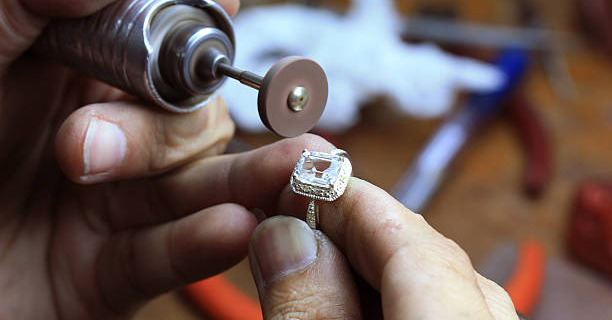
Jewelry often carries deep sentimental and financial value. Whether it’s a wedding ring worn daily, a vintage necklace passed down through generations, or a favorite pair of earrings, wear and tear are inevitable over time.
Even high-quality pieces can develop issues due to regular use, accidental damage, or environmental exposure. Understanding common jewelry repair problems—and how professionals address them—can help you care for your pieces and know when it’s time to seek expert help.
1. Ring Resizing Issues
The Problem
Finger sizes can change due to weight fluctuation, aging, pregnancy, or temperature. Rings that are too tight can be uncomfortable or even dangerous, while loose rings risk slipping off and being lost.
How Professionals Fix It
Professional jewelers resize rings by either removing or adding metal to the band.
Sizing down: A small section of the band is cut out, and the ends are soldered together.
Sizing up: Additional metal is added or the band is stretched slightly (for small adjustments).
After resizing, the jeweler polishes the ring to restore a seamless finish. Complex designs, eternity bands, or rings with gemstones require extra care to maintain symmetry and stone security.
2. Loose or Lost Stones
The Problem
Gemstones are held in place by prongs, bezels, or channels that can wear down over time. A loose stone may rattle, tilt, or fall out completely, risking permanent loss.
How Professionals Fix It
A jeweler inspects the setting to identify worn or bent prongs. Repairs may include:
Tightening existing prongs
Re-tipping prongs with new metal
Replacing damaged settings entirely
If a stone is lost, professionals help source a replacement that matches the original in size, color, and quality. Precision tools ensure stones are secured without damage.
3. Broken Chains and Bracelets
The Problem
Necklaces and bracelets experience frequent movement, making them prone to breakage—especially at weak points like clasps or thin links.
How Professionals Fix It
Jewelers repair broken chains by soldering the damaged links using heat and matching metal alloys. For delicate chains, laser welding is often used, allowing precise repairs without harming surrounding areas. After repair, the chain is polished and tested for strength.
In cases of severely worn chains, professionals may recommend replacing sections or the entire chain for safety.
4. Worn or Broken Clasps
The Problem
Clasps are one of the most common jewelry failures. A faulty clasp can cause necklaces or bracelets to fall off unnoticed.
How Professionals Fix It
Depending on the condition, jewelers may:
Repair the spring mechanism
Tighten worn components
Replace the clasp entirely with a stronger or more secure option
Professionals often recommend lobster clasps or box clasps for improved durability, especially for heavier pieces.
5. Bent or Misshapen Jewelry
The Problem
Rings, bangles, and hoops can bend due to impact, pressure, or daily wear. Misshapen jewelry not only looks unattractive but can weaken structural integrity.
How Professionals Fix It
Jewelry Repair use specialized tools to carefully reshape the piece without stressing the metal. For rings, they ensure the band is perfectly round and that gemstones remain properly aligned. If metal fatigue is detected, reinforcement or replacement may be necessary.
6. Scratches and Surface Wear
The Problem
Gold, silver, and platinum are relatively soft metals and can develop scratches over time. While minor scratches are normal, deep gouges can affect both appearance and durability.
How Professionals Fix It
Professional polishing removes surface scratches using a series of abrasive compounds. For deeper damage, jewelers may perform metal resurfacing or laser welding to fill in grooves before polishing. This process restores shine while preserving the original design.
7. Tarnishing and Discoloration
The Problem
Silver tarnishes when exposed to air and moisture, while gold jewelry can discolor due to chemicals, lotions, or improper storage.
How Professionals Fix It
Jewelers use ultrasonic cleaners, steam cleaning, and professional-grade polishing to remove tarnish and buildup. For white gold, re-plating with rhodium is often required to restore its bright, reflective finish.
Professionals also advise on proper storage and cleaning routines to prevent future discoloration.
8. Cracked or Thinned Bands
The Problem
Over time, constant friction can thin ring bands, especially at the bottom where they contact surfaces. Thin bands are prone to cracking or breaking.
How Professionals Fix It
Jewelers reinforce weakened areas by adding metal and reshaping the band to its original thickness. This process strengthens the ring and extends its lifespan. In severe cases, a full band replacement may be recommended.
9. Pearl and Bead Jewelry Issues
The Problem
Pearl necklaces and bead strands are traditionally strung on silk or nylon thread, which can stretch, fray, or break over time.
How Professionals Fix It
Professionals restring pearls using high-quality silk or synthetic threads and knot each pearl individually to prevent rubbing and loss if the strand breaks. Clasps are also inspected and replaced if necessary.
10. Antique and Vintage Jewelry Repairs
The Problem
Older jewelry often features delicate craftsmanship and outdated materials that require specialized care. Improper repairs can reduce value or damage the piece.
How Professionals Fix It
Experienced jewelers use restoration techniques that preserve the original design and materials. This may include hand-fabricated components, period-appropriate settings, and minimal intervention to maintain authenticity.
Why Professional Repair Matters
While DIY jewelry repair kits exist, improper handling can cause irreversible damage. Professional jewelers have the training, tools, and materials to:
Match metals and gemstones accurately
Ensure structural integrity
Preserve sentimental and monetary value
Regular inspections—especially for frequently worn pieces—can catch problems early and prevent costly repairs or loss.
Conclusion
Jewelry repair is an essential part of ownership, ensuring cherished pieces remain beautiful and wearable for years to come. From resizing rings and securing stones to restoring antique heirlooms, professional jewelers combine craftsmanship with technical expertise to address common problems safely and effectively.
By recognizing early signs of damage and trusting skilled professionals, you can protect your jewelry’s value and the memories it holds.
 French
 English
 Arabic
 Spanish
 Portuguese
 Deutsch
 Turkish
 Dutch
Dutch
 Italiano
 Russian
 Romaian
 Portuguese (Brazil)
 Greek
Greek