

DBT-Analytics-Engineering Certification: Building Strong Skills for Data Teams
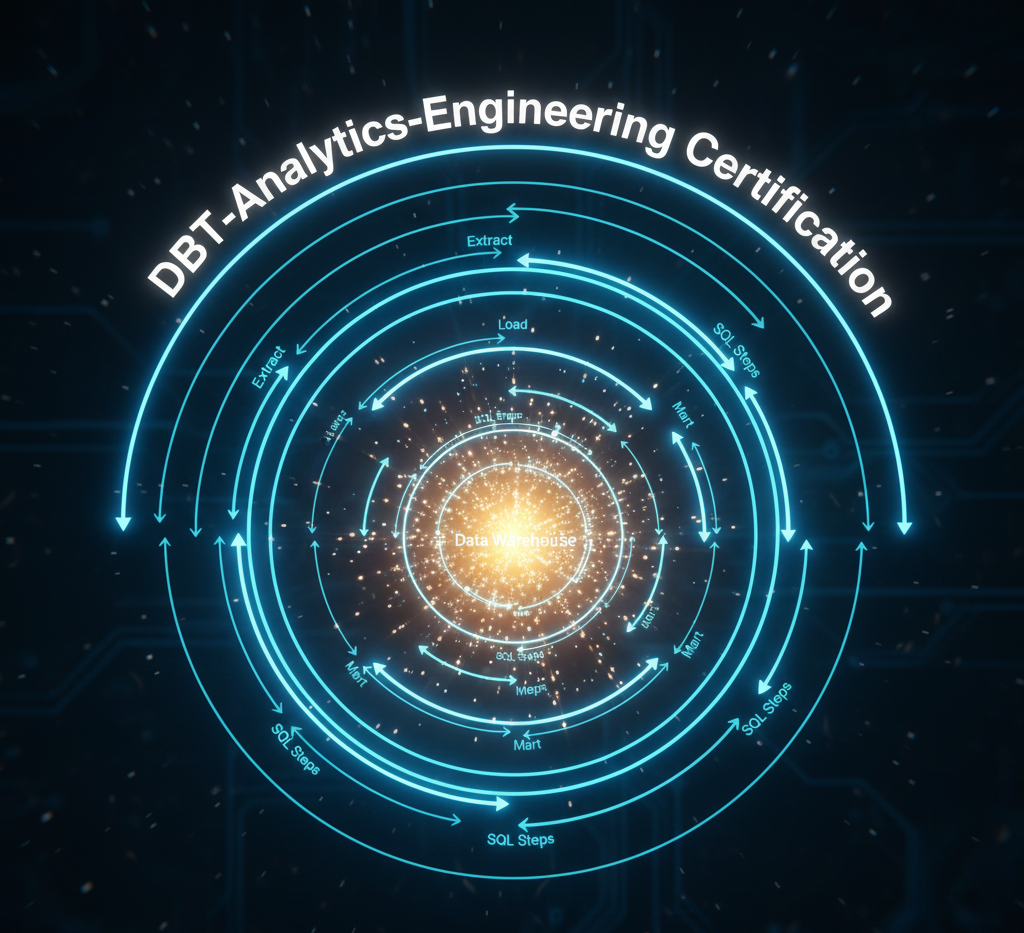
Data teams today face increasing pressure to turn raw information into meaningful insights quickly. Organizations rely on analytics-ready data to guide decisions, improve processes, and support business strategy. Because of this, professionals who know how to transform, model, and validate data are becoming essential. That’s why the DBT-Analytics-Engineering Certification has become one of the most sought-after credentials in the analytics engineering space.
This certification focuses heavily on SQL development, modular data modeling, quality checks, documentation, and collaborative workflows. It fits perfectly with the modern shift from traditional ETL to agile ELT environments, where analytics engineers work directly within data warehouses to shape trustworthy data pipelines.
Why This Certification Is Getting Popular
Companies are rapidly modernizing their data stacks. Instead of relying on slow and rigid ETL workflows, teams now use DBT to build transformations inside cloud warehouses like Snowflake, BigQuery, Databricks, and Redshift. With DBT, analytics engineers treat data transformations like software development, using version control, testing, and clear structure.
The certification highlights exactly these modern skills. It validates your ability to:
• Build modular SQL models
• Apply data testing and documentation
• Use DBT’s refactoring and lineage features
• Deploy transformations using CI/CD workflows
• Follow best practices for analytics coding
• Work effectively in collaborative data teams
Overall, it proves that you can support scalable analytics workflows in real-world environments.
Core Concepts Covered in the Certification
The DBT-Analytics-Engineering Certification is designed to reflect the actual responsibilities of analytics engineers. Instead of abstract theory, it measures practical skills that employers rely on every day.
SQL Fundamentals and Advanced Techniques
The exam requires strong SQL knowledge. You will write transformations, optimize logic, and build reusable patterns. Window functions, CTEs, incremental models, and schema design play a major role.
Data Modeling Best Practices
You learn how to structure models so they remain clean, consistent, and maintainable. Topics include:
• Dimensional modeling concepts
• Staging vs. marts layers
• Naming conventions and folder structure
• Incremental loads and performance considerations
Testing and Documentation
DBT’s built-in testing framework is a major exam component. You’ll apply tests to ensure data quality, catch anomalies early, and standardize correctness across pipelines. Documentation skills also matter; auto-generated model documentation helps teams work more efficiently.
Version Control and CI/CD Workflows
Since DBT uses Git-based development, you must understand branching strategies, code reviews, and automated validation through continuous integration. These workflows are essential in analytics engineering because they reduce human error and enhance team collaboration.
Cloud Data Warehouse Architecture
You gain familiarity with common cloud warehouse structures, performance considerations, caching patterns, and best practices for ELT processing. This ensures your modeling skills transfer smoothly across different platforms.
Who Should Pursue This Certification?
The certification fits a broad range of data professionals, especially those who interact with analytics workflows. Ideal candidates include:
• Data analysts transitioning toward technical modeling
• Analytics engineers who want formal validation
• BI developers expanding into SQL-based transformations
• Data engineers who want to cover the analytics layer
• Professionals exploring modern ELT tools
Even career changers with a strong foundation in SQL can pursue it with the right preparation.
Career Advantages After Getting Certified
Earning this certification gives you immediate benefits because DBT skills are in high demand. Organizations need people who can build stable, trustworthy transformation pipelines that power dashboards, reporting, and machine learning models.
Common roles that value the certification include:
• Analytics Engineer
• Senior Data Analyst
• Business Intelligence Developer
• Data Transformation Specialist
• ELT Engineer
It also strengthens your resume, improves credibility with technical teams, and signals that you understand the modern data stack. Salary potential is strong as well, with analytics engineering roles consistently ranking among the better-paying analytics positions.
How to Prepare for the Exam Effectively
Success in this certification depends on hands-on practice. You should be comfortable writing SQL, organizing DBT folders, implementing tests, and managing version control workflows.
A strong preparation plan usually includes:
• Learning DBT Core fundamentals
• Building sample projects
• Practicing testing, refactoring, and documentation
• Applying Git workflows
• Reviewing analytics engineering best practices
• Using sample datasets to model end-to-end pipelines
Practice questions can improve confidence and help you understand common exam patterns. Providers like Cert Empire offer reliable preparation resources that can support your learning journey.
Is the Certification Worth It for the Future?
Absolutely. DBT is one of the fastest-growing tools in the data world. As companies adopt analytics engineering practices, professionals with DBT expertise gain a competitive advantage. The certification ensures you’re equipped with practical, real-world skills that transfer directly to modern data teams.
Whether you’re looking to advance in your current role or move into analytics engineering, the certification is a strong long-term investment. Its emphasis on best practices, clean modeling, and collaborative workflows makes it valuable for any data-driven organization. Watch more certification tips and modern data tutorials on our YouTube channel.
To conclude
The DBT-Analytics-Engineering Certification represents a major step toward mastering analytics engineering. It teaches you how to design scalable models, maintain data quality, and support teams with dependable transformation pipelines. For anyone looking to grow in modern data roles, this certification offers a clear, rewarding path. With the growing adoption of DBT across industries, now is an excellent time to invest in these skills and strengthen your role in the analytics ecosystem.
Read More: Top 6 IT Certification Learning Hubs for Cloud And Security
 Dutch
Dutch
 English
 Arabic
 French
 Spanish
 Portuguese
 Deutsch
 Turkish
 Italiano
 Russian
 Romaian
 Portuguese (Brazil)
 Greek
Greek