

The Everyday Workplace Risks Fire Protection Equipment Helps Reduce
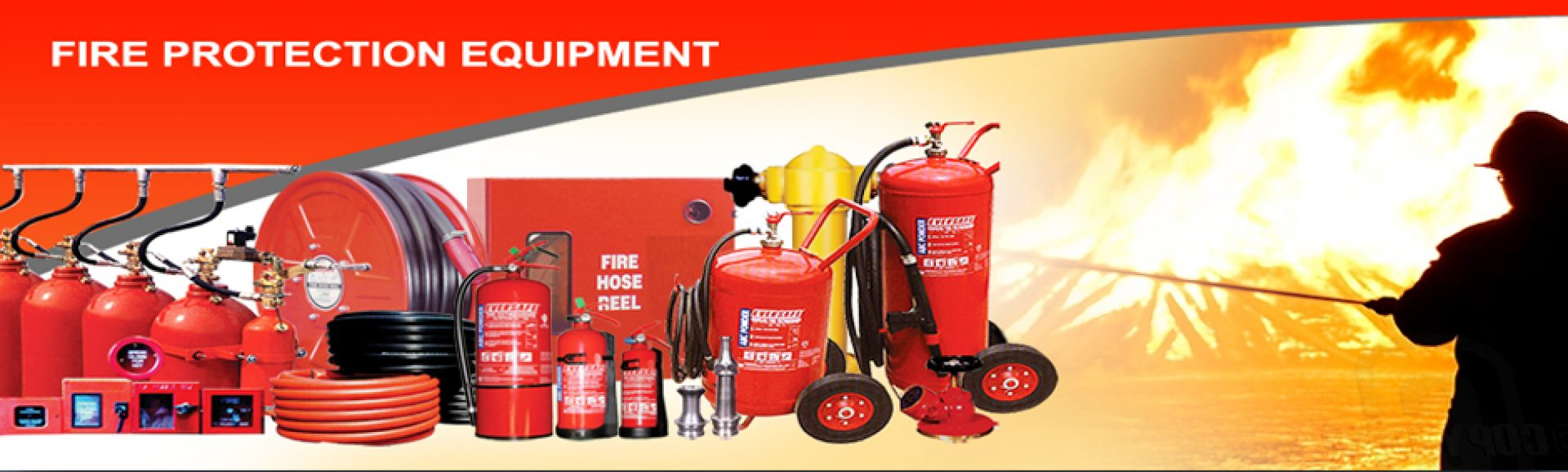
Most people rarely think about fire safety during a normal workday. Employees arrive, customers come and go, equipment runs in the background, and daily operations continue without much attention paid to what could happen during an emergency.
Yet behind the scenes, fire protection equipment plays an important role in keeping businesses, employees, and commercial properties safer every single day.
From alarm systems and extinguishers to sprinklers and suppression technology, these systems are designed to respond quickly when unexpected situations occur. And while many businesses hope they never need to rely on them, properly maintained fire safety equipment can make an enormous difference when seconds matter.
Fire Risks Exist Even in Ordinary Workplaces
Many people associate fire hazards with factories or industrial facilities, but fires can happen in nearly any commercial environment.
Office buildings rely heavily on electronics, wiring, and power systems. Restaurants operate high-temperature cooking equipment daily. Retail stores store packaging materials and inventory that may ignite quickly under certain conditions.
Even small businesses can face risks from overloaded outlets, damaged equipment, heating systems, or accidental human error.
The challenge is that these risks often develop quietly over time. A worn electrical component or blocked ventilation area may not seem serious at first until conditions suddenly change.
This is why dependable fire protection equipment matters across virtually every type of workplace.
Prevention Is Often Less Expensive Than Recovery
One major lesson many businesses learn after a fire incident is how disruptive recovery can become.
Even relatively contained fires may lead to smoke damage, temporary shutdowns, equipment replacement, cleanup costs, insurance complications, and interrupted operations. In some cases, businesses lose weeks or months of productivity while repairs are completed.
These disruptions can affect employees, customers, vendors, and overall business stability.
Preventative fire safety planning helps reduce these risks by improving response times and limiting the spread of damage during emergencies.
Businesses that consistently maintain fire protection equipment are often better positioned to minimize operational disruptions when unexpected situations arise.
Regular Inspections Help Catch Hidden Problems
One reason fire safety maintenance is so important is because system problems are not always obvious.
A fire extinguisher may slowly lose pressure over time. Alarm sensors might malfunction without visible warning signs. Sprinkler systems can develop corrosion or blockages that affect performance.
Without routine inspections, these issues can remain unnoticed until equipment is needed most.
Many businesses now schedule regular maintenance checks as part of standard operational planning rather than treating inspections as occasional obligations.
Consistent testing helps ensure that systems remain functional, compliant, and ready to respond if emergencies occur.
Employees Benefit From Fire Safety Awareness Too
Even the most advanced fire protection equipment works best when employees understand how to respond during emergencies.
Simple workplace training can improve preparedness significantly. Employees should know evacuation routes, understand where extinguishers are located, and recognize who to contact when hazards are identified.
When people are informed, emergency situations often become more organized and less chaotic.
Businesses that encourage ongoing safety awareness also tend to identify hazards earlier. Employees who feel comfortable reporting damaged wiring, blocked exits, unusual smells, or malfunctioning equipment may help prevent larger problems before they develop.
Fire safety works best when both systems and people are prepared.
Modern Fire Safety Technology Is Evolving Quickly
Technology has changed the way many businesses approach fire protection.
Modern Fire Protection Equipment often includes faster detection systems, integrated monitoring technology, automated notifications, and smarter suppression methods designed to reduce damage more efficiently.
Some systems can now detect abnormal heat patterns before visible flames appear. Others automatically communicate with monitoring services to speed up emergency response times.
These advancements are helping businesses improve preparedness while reducing the chances of delayed response during emergencies.
As commercial properties become more technologically advanced overall, many companies are also upgrading older fire safety systems to improve reliability and performance.
Different Industries Require Different Solutions
Not every workplace has the same fire safety needs.
A commercial kitchen requires very different protection compared to a medical office, manufacturing facility, warehouse, or apartment complex. The equipment, layout, materials, and operational risks all influence what type of fire protection systems work best.
For example, industrial facilities may require specialized suppression systems around machinery, while multi-unit residential buildings often prioritize alarm coordination and evacuation planning.
This is why fire protection strategies are typically more effective when tailored to the specific environment rather than relying on one size fits all solutions.
Businesses increasingly understand the value of evaluating their unique risks instead of assuming standard systems automatically provide complete coverage.
Fire Safety Supports Long Term Business Stability
Beyond emergency response itself, reliable fire protection equipment also supports long term operational confidence.
Employees feel safer in well maintained workplaces. Property owners reduce risk exposure. Businesses strengthen continuity planning and improve preparedness for unexpected events.
Safety investments may not always be highly visible day to day, but they often play a major role in protecting operations behind the scenes.
Companies that stay proactive about inspections, maintenance, and safety planning are generally in a stronger position to handle emergencies with less disruption and uncertainty.
Consistency Makes the Biggest Difference
Fire safety is rarely about a single inspection or one-time equipment installation. More often, it involves consistent attention over time.
Routine maintenance, updated systems, employee awareness, and ongoing evaluations all contribute to stronger protection for businesses and commercial properties.
As workplaces continue evolving, reliable fire protection equipment remains one of the most practical ways businesses can support safer operations and prepare responsibly for the unexpected.
📍 Visit: Fire Protection Equipment Co --- 2020 Broadway St NE ste 100, Minneapolis, MN 55413
📞 Call: (800) 450-2885
 French
 English
 Arabic
 Spanish
 Portuguese
 Deutsch
 Turkish
 Dutch
Dutch
 Italiano
 Russian
 Romaian
 Portuguese (Brazil)
 Greek
Greek