

Accuracy of Emergency Blood Testing in Fort Worth TX
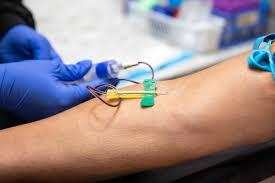
When patients arrive with sudden chest pain, severe weakness, fever, dehydration, abdominal pain, dizziness, or injury, doctors need information they can trust. Emergency blood testing helps provide fast clinical clues about what may be happening inside the body. In Fort Worth TX, accurate blood work can support decisions about infection, anemia, kidney stress, liver concerns, electrolyte imbalance, blood sugar changes, clotting issues, and possible heart-related symptoms. Still, blood tests are most accurate when they are interpreted with the patient’s symptoms, physical exam, medical history, vital signs, and other diagnostic findings.
What Accuracy Means in Emergency Blood Testing
Accuracy in emergency blood testing does not mean one test always gives a complete diagnosis. It means the test result is reliable enough to help doctors understand the patient’s condition and guide the next step in care.
A blood test may be accurate in measuring a specific marker, but that marker still needs medical interpretation. For example, a high white blood cell count may suggest infection or inflammation, but it does not always show the exact source. Low hemoglobin may suggest anemia or blood loss, but doctors still need to find the cause. Abnormal electrolytes may explain weakness or confusion, but the reason behind the imbalance must also be evaluated.
This is why emergency doctors do not rely on blood work alone. They use lab results as part of a full clinical picture.
Why Blood Test Results Are Usually Reliable
Modern emergency blood testing is designed to provide useful, timely information. Clinical laboratories follow processes for sample handling, testing methods, quality control, and result reporting. In the United States, CMS states that the Clinical Laboratory Improvement Amendments, known as CLIA, establish quality standards for laboratory testing to help ensure accuracy, reliability, and timeliness of patient test results.
Reliable testing depends on several steps:
Correct patient identification
Proper blood sample collection
Clean and safe handling
Correct tube selection
Timely transport or processing
Proper analyzer function
Quality control checks
Provider interpretation
If any step is affected, results may be delayed, repeated, or reviewed more carefully.
Why Emergency Blood Tests Must Be Interpreted Carefully
Blood test accuracy is not only about the lab machine. It is also about what the result means for that specific patient.
MedlinePlus explains that lab reports use reference ranges, which are the high and low values considered normal for a test. These ranges are often based on results from large groups of healthy people, and some tests may have different ranges for different groups, such as adults and children.
This matters because “normal” does not always mean “no problem,” and “abnormal” does not always mean a dangerous disease. A result may be slightly outside the reference range because of hydration, medication, recent activity, illness, diet, age, or other factors.
Emergency providers look at the result, the degree of abnormality, the symptoms, and the overall pattern.
Common Factors That Can Affect Blood Test Accuracy
Even when a lab test is performed correctly, certain factors can influence results. MedlinePlus notes that many factors may affect laboratory test results, including age, sex, what a person eats or drinks, medicines, and whether pre-test instructions were followed.
Hydration Level
Dehydration can make some blood values appear higher or more concentrated. Overhydration may affect results in a different way. In emergency care, this is especially important for patients with vomiting, diarrhea, heat exposure, poor fluid intake, or heavy sweating.
Medications
Some medicines can change blood test results. Blood thinners may affect clotting tests. Diuretics may affect electrolytes. Diabetes medications can affect blood sugar. Steroids may affect white blood cell count. Patients should always tell the care team what they take, including prescriptions, over-the-counter medicines, and supplements.
Timing of the Test
Some blood markers change over time. For example, certain heart-related markers may need repeat testing if symptoms are ongoing or if the first result is too early. Doctors may order another test later to check for a trend.
Sample Quality
If a blood sample clots, breaks down, is drawn incorrectly, or is delayed in processing, the lab may request another sample. Repeating a test is not always a bad sign. It may be done to protect accuracy.
Medical History
A patient with chronic kidney disease may have different baseline kidney markers than someone with normal kidney function. A patient with anemia history may have lower hemoglobin at baseline. A patient with liver disease may have ongoing abnormal liver-related results. Doctors compare current results with known history when available.
Accurate Does Not Mean Perfect
No medical test is perfect. Some results can be false positive, false negative, borderline, or unclear. A false positive means a test suggests a problem that may not truly be present. A false negative means a test looks normal even though a problem may still exist.
This is why doctors may repeat testing, order imaging, perform an EKG, check urine, monitor vital signs, or observe symptoms over time.
For example, a patient with early chest pain may need repeat heart-related testing if symptoms and risk factors remain concerning. A patient with abdominal pain may need imaging even if some blood work is normal. A patient with infection symptoms may need follow-up testing if the first results do not fully explain the illness.
Accuracy of Common Emergency Blood Tests
Different blood tests have different roles. Some are best for screening. Some help measure severity. Some help guide treatment. Few tests give a complete answer alone.
Complete Blood Count
A complete blood count, or CBC, checks red blood cells, white blood cells, hemoglobin, hematocrit, and platelets. It can help identify anemia, infection response, blood loss, platelet problems, or inflammation clues.
MedlinePlus notes that abnormal CBC levels do not always mean a medical condition needing treatment, and factors such as diet, activity level, medicines, menstrual period, and hydration can affect results.
Metabolic Panel
A metabolic panel checks important body chemistry markers such as glucose, sodium, potassium, chloride, carbon dioxide, blood urea nitrogen, creatinine, and sometimes liver markers. It helps doctors evaluate hydration, kidney function, electrolyte balance, blood sugar, and metabolic stress.
These results are especially useful in dehydration, vomiting, diarrhea, confusion, weakness, kidney concerns, and severe illness.
Cardiac Blood Testing
Heart-related blood tests may be used when chest pain, shortness of breath, sweating, nausea, weakness, or pain spreading to the arm or jaw raises concern for a heart problem. Troponin is commonly used to check for possible heart muscle injury.
A single result may not always answer everything. Doctors may repeat testing and compare results with EKG findings, symptoms, risk factors, and exam results.
Coagulation Testing
Coagulation tests help doctors evaluate how well blood is clotting. These are important for heavy bleeding, blood thinner use, liver disease, trauma, or certain procedure-related decisions.
Accuracy depends on proper sample collection and knowing whether the patient is taking medications that affect clotting.
Blood Glucose Testing
Blood glucose testing is often fast and highly useful in emergency care. It can help explain confusion, fainting, sweating, shakiness, weakness, seizure-like symptoms, or severe illness. However, results still need context because eating, fasting, diabetes medications, infection, stress, and illness can affect blood sugar.
How Doctors Improve Diagnostic Accuracy
Doctors improve accuracy by combining lab results with other medical information. This reduces the risk of overreacting to one abnormal number or missing a condition because one result is normal.
They may consider:
Symptom pattern
Physical exam findings
Vital signs
Medical history
Medication use
Previous lab results
EKG results
Imaging findings
Urine testing
Repeat blood work
Patient age and risk factors
This complete approach is especially important in emergency care because many conditions overlap.
Why Repeat Testing May Be Needed
Patients sometimes worry when a doctor orders another blood test. In many cases, repeat testing is done to improve accuracy, monitor changes, or confirm an unexpected result.
Repeat testing may be needed when:
Symptoms continue
Results are borderline
The first sample was affected
A marker changes over time
The doctor needs to monitor treatment response
A serious condition cannot be ruled out yet
For example, if a patient receives IV fluids for dehydration, repeat labs may show whether kidney function or electrolytes are improving. If a patient has chest pain, repeat cardiac testing may help doctors see whether levels are changing.
This is a key reason emergency blood testing can be valuable. It does not just show one moment. When needed, it can help doctors track changes during urgent care.
Promotional Paragraph
For patients who need timely lab evaluation in Fort Worth, ER of Fort Worth- EMERGENCY ROOM provides emergency care for symptoms that may require blood work, imaging, monitoring, and physician assessment. Patients can seek care for chest pain, severe weakness, dehydration, abdominal pain, fever, injury, dizziness, vomiting, or sudden illness. The goal is to support accurate evaluation and appropriate care when symptoms should not wait.
What Patients Can Do to Help Improve Accuracy
Patients play an important role in accurate emergency evaluation. The more complete the information, the better the provider can interpret results.
Tell the care team about:
Current medications
Allergies
Supplements
Blood thinner use
Diabetes history
Kidney, liver, or heart disease
Recent illness
Recent surgery
Pregnancy or possible pregnancy
Vomiting, diarrhea, or poor fluid intake
Recent injury or fall
Previous abnormal blood results
Also mention when symptoms started and whether they are improving or getting worse. Details such as recent meals, alcohol use, dehydration, heavy exercise, or missed medications can also help explain certain lab changes.
Why One Abnormal Result Should Not Cause Panic
An abnormal result can feel scary, but it does not always mean something dangerous. Lab values can move slightly outside a reference range for many reasons. Doctors look at how abnormal the result is, whether it matches symptoms, and whether other related tests support the same concern.
For example, a mildly high white blood cell count may happen with infection, inflammation, stress, or certain medications. A slightly low sodium level may need monitoring but may not be dangerous in every case. A kidney marker may be temporarily affected by dehydration.
The safest approach is to let a qualified provider explain what the result means in context.
Why Normal Results Still Need Medical Judgment
Normal blood work is reassuring, but it does not always rule out every condition. Some problems may not show clearly in early testing. Others may require imaging, EKG, urine testing, physical exam findings, or observation.
For example, abdominal pain may still need imaging even if blood work looks acceptable. Chest pain may still need EKG review and repeat evaluation. Shortness of breath may require oxygen monitoring or chest imaging.
Accuracy improves when doctors use the right combination of tools rather than one test alone.
Emergency Blood Testing vs Routine Lab Testing
Routine blood work is often used for checkups, chronic disease monitoring, medication review, or preventive care. Emergency blood work is used when symptoms are active and doctors need timely answers.
Emergency testing is focused on urgent questions:
Is the patient dehydrated?
Is there possible infection?
Is blood count dangerously low?
Are electrolytes abnormal?
Is kidney function affected?
Is blood sugar unsafe?
Is clotting normal?
Is there concern for heart muscle injury?
Because the purpose is different, the interpretation is also different. Emergency doctors are not just looking for small abnormalities. They are looking for patterns that explain symptoms and guide safe decisions.
FAQs About Accuracy of Emergency Blood Testing in Fort Worth TX
1. How accurate are emergency blood tests?
Emergency blood tests are generally reliable when collected, handled, processed, and interpreted correctly. However, no test is perfect. Doctors review results with symptoms, medical history, vital signs, physical exam findings, and other tests to improve diagnostic accuracy.
2. Can blood test services give wrong results?
Yes, any medical test can sometimes produce unclear, false positive, false negative, or affected results. Blood test services may require repeat testing if a sample is affected, results are borderline, symptoms continue, or the provider needs to monitor changes over time.
3. Why would a doctor repeat emergency blood tests?
Doctors may repeat blood tests to confirm a result, track changes, monitor treatment response, or check markers that can change over time. Repeat testing can help improve accuracy and support safer decisions.
Conclusion
Accuracy in emergency care depends on both reliable testing and skilled interpretation. Blood work can help doctors evaluate infection, anemia, dehydration, electrolyte imbalance, kidney stress, liver concerns, clotting issues, blood sugar changes, and possible heart-related symptoms. Still, results must be read with the patient’s symptoms, exam, history, and other diagnostic findings. If you are in Fort Worth TX and symptoms are sudden, severe, or worsening, timely evaluation is the safest step. Emergency blood testing gives doctors valuable information, but its true accuracy comes from using those results as part of a complete medical assessment.
 Portuguese
 English
 Arabic
 French
 Spanish
 Deutsch
 Turkish
 Dutch
Dutch
 Italiano
 Russian
 Romaian
 Portuguese (Brazil)
 Greek
Greek