

What Is Emergency Blood Testing in Fort Worth TX?
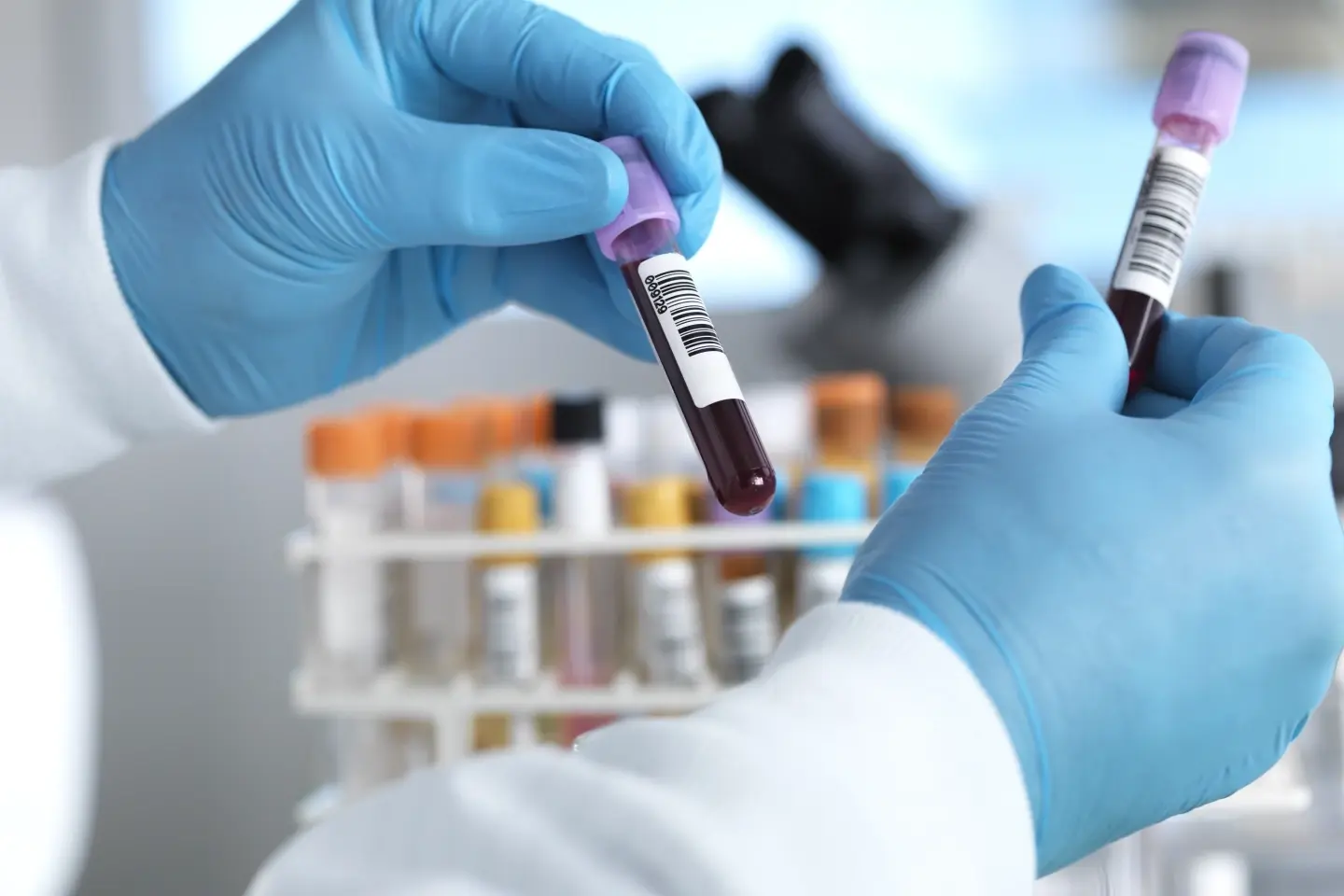
When sudden symptoms appear, fast answers can make a major difference. Emergency blood testing helps doctors quickly check what may be happening inside the body during urgent health problems such as chest pain, severe weakness, dehydration, infection symptoms, abdominal pain, fainting, or injury. In Fort Worth TX, this type of testing is often used in emergency care to support faster diagnosis and treatment decisions. Blood tests do not tell the whole story alone, but they give doctors valuable clues when a patient needs timely medical attention.
Understanding Emergency Blood Testing
Emergency blood testing means blood work performed during an urgent medical visit when a doctor needs quick information about a patient’s condition. These tests may help evaluate infection, anemia, dehydration, electrolyte imbalance, blood sugar problems, kidney function, liver function, bleeding concerns, or possible heart-related issues.
Unlike routine lab work, emergency testing is usually connected to active symptoms. For example, a patient with chest pain may need blood work to help check for heart stress. A patient with vomiting, diarrhea, or dizziness may need blood work to check hydration and electrolyte levels. A patient with fever and weakness may need testing to look for signs of infection.
A complete blood count, often called a CBC, measures different cells in the blood, including red blood cells, white blood cells, and platelets. This can help doctors check for problems such as infection, anemia, clotting issues, and other blood-related changes.
Why Emergency Blood Testing Matters
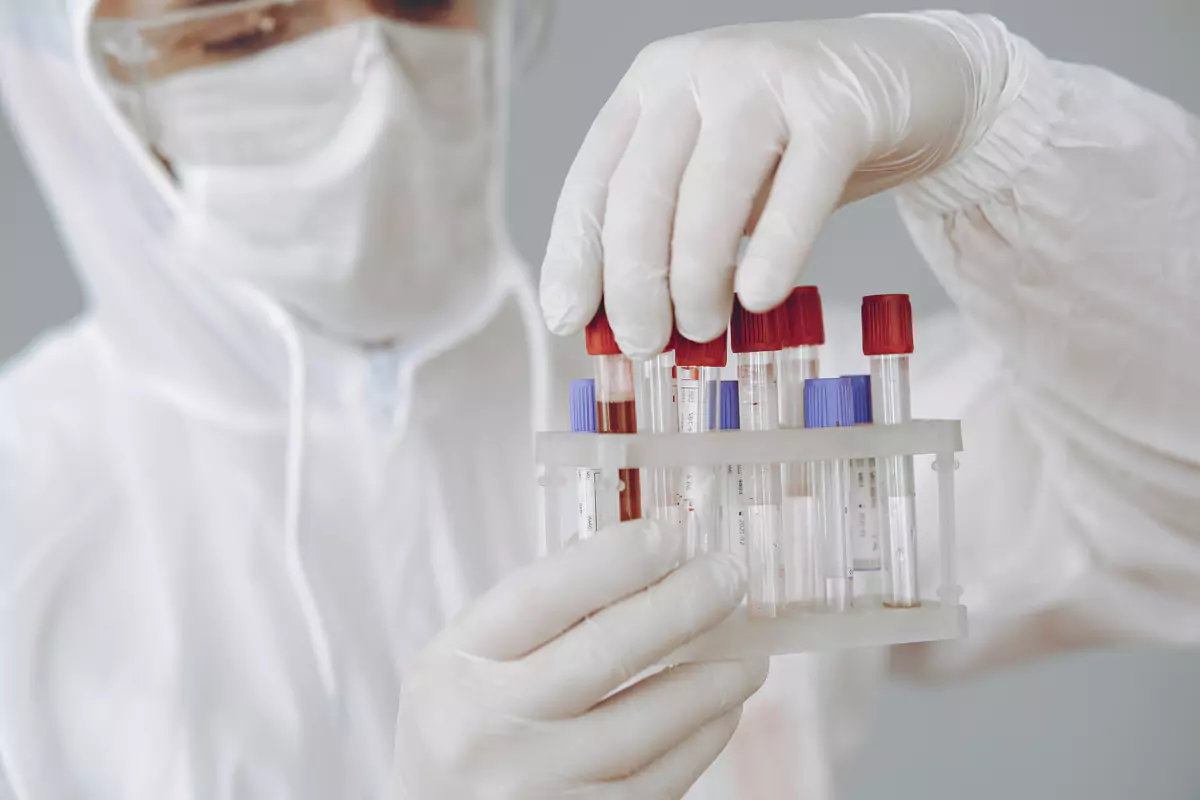
Blood carries oxygen, nutrients, immune cells, minerals, hormones, and waste products throughout the body. When something is wrong, blood test results may show important changes before the cause becomes obvious through symptoms alone.
In emergency care, doctors often need to answer important questions quickly:
These answers help guide the next step in care. Sometimes blood test results support a clear diagnosis. Other times, they help rule out dangerous problems or show that more testing is needed.
Common Reasons Doctors Order Emergency Blood Tests
Emergency blood tests are ordered based on symptoms, medical history, vital signs, and physical exam findings. Not every patient needs the same tests.
Chest Pain or Shortness of Breath
Chest pain can come from many causes, including heart problems, lung issues, muscle strain, acid reflux, anxiety, or inflammation. When doctors are concerned about possible heart muscle injury, they may order a troponin test. Troponin is a protein found in heart muscle cells, and higher levels in the blood can suggest heart muscle damage.
Fever, Chills, or Infection Symptoms
If a patient has fever, chills, rapid heartbeat, confusion, weakness, or low blood pressure, doctors may order blood work to look for signs of infection or inflammation. A CBC may show changes in white blood cells, while other tests can help evaluate organ function and overall illness severity.
In some cases, a blood culture may be ordered to check for bacteria or other germs in the blood sample.
Vomiting, Diarrhea, or Dehydration
Vomiting, diarrhea, heavy sweating, poor fluid intake, and heat-related illness can cause dehydration and electrolyte changes. An electrolyte panel measures major electrolytes in the blood, including sodium, potassium, chloride, and bicarbonate. These minerals help support fluid balance, nerve function, muscle function, and acid-base balance.
Severe Abdominal Pain
Abdominal pain can come from many conditions, including infection, inflammation, gallbladder problems, kidney stones, digestive issues, or other urgent concerns. Blood tests may help check white blood cell count, liver enzymes, kidney function, pancreatic markers, and electrolyte levels. Doctors may also use imaging or urine testing depending on the symptoms.
Dizziness, Fainting, or Sudden Weakness
Dizziness or fainting may be linked to dehydration, anemia, blood sugar changes, heart rhythm issues, medication effects, infection, or other causes. Blood work helps doctors look for internal clues that may not be visible during the exam.
Injury, Trauma, or Possible Blood Loss
After a serious fall, accident, or injury, blood testing may help evaluate blood count, clotting ability, organ function, and possible internal stress. If bleeding is suspected, doctors may check hemoglobin and hematocrit levels to help understand whether blood loss may be a concern.
Types of Emergency Blood Tests
Different tests answer different medical questions. Doctors choose testing based on the patient’s condition.
Complete Blood Count
A CBC is one of the most common emergency blood tests. It can help evaluate red blood cells, white blood cells, hemoglobin, hematocrit, and platelets. These values may help identify infection, anemia, immune response, clotting concerns, or possible blood loss.
Basic Metabolic Panel
A basic metabolic panel checks important body chemistry markers. It often includes glucose, calcium, sodium, potassium, chloride, carbon dioxide, blood urea nitrogen, and creatinine. These results help doctors review hydration status, kidney function, blood sugar, and electrolyte balance.
Comprehensive Metabolic Panel
A comprehensive metabolic panel includes many of the same items as a basic metabolic panel, along with additional liver-related markers and proteins. It may be useful when symptoms suggest abdominal illness, liver stress, medication effects, dehydration, or broader body chemistry changes.
Troponin Test
A troponin test may be used when doctors are evaluating chest pain or symptoms that could involve the heart. High troponin levels can suggest heart muscle damage, but doctors interpret the result with the patient’s symptoms, EKG, medical history, and other findings.
Electrolyte Panel
An electrolyte panel helps check minerals that affect fluid balance, muscle function, and nerve signals. Abnormal sodium or potassium levels can cause weakness, confusion, muscle cramps, heart rhythm problems, or other symptoms depending on severity.
Blood Culture
A blood culture may be used when a doctor suspects bacteria or other germs may be present in the blood. This test can help guide treatment when bloodstream infection is a concern.
Blood Glucose Test
Blood sugar testing is common in emergency care, especially for patients with diabetes, confusion, fainting, sweating, weakness, seizures, vomiting, or severe illness. Both very high and very low blood sugar can be serious.
Coagulation Tests
Coagulation tests may be ordered when doctors need to check how well the blood is clotting. These tests may be important for patients with heavy bleeding, blood thinner use, liver disease, trauma, stroke-like symptoms, or surgery-related concerns.
How Emergency Blood Testing Works
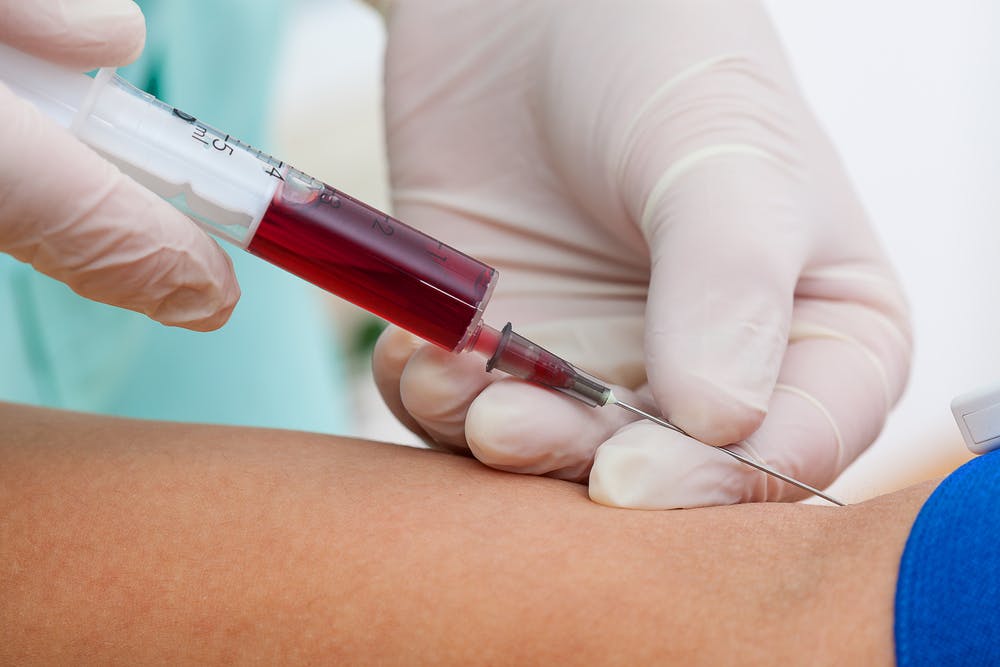
The process usually starts with a medical evaluation. A provider checks symptoms, vital signs, medical history, medications, allergies, and risk factors. If blood work is needed, a healthcare professional draws blood, usually from a vein in the arm.
The sample is then sent for lab testing. Some results may come back sooner than others. Timing depends on the type of test, the facility process, and the patient’s condition. Once results are available, the doctor reviews them with the full clinical picture.
It is important to understand that blood tests are not interpreted in isolation. A result that is slightly abnormal may not always mean a serious problem. A result within the normal range may not always rule out every condition. Doctors look at patterns, symptoms, exam findings, imaging, EKG results, urine tests, and medical history before making decisions.
Emergency Blood Testing vs Routine Blood Testing
Routine blood testing is usually planned ahead. It may be used for annual checkups, medication monitoring, preventive screening, or chronic disease management.
Emergency blood testing is different because it is performed when symptoms are active, sudden, severe, or concerning. The goal is not general screening. The goal is to help doctors make timely decisions during urgent care.
For example, a routine blood test may check cholesterol during a wellness visit. Emergency blood work may check for infection, dehydration, anemia, kidney stress, electrolyte changes, or heart-related concerns during an active medical problem.
This is why emergency testing often needs faster review and direct clinical interpretation.
When Patients in Fort Worth Should Seek Emergency Evaluation
Patients should seek urgent medical care when symptoms are severe, sudden, worsening, or difficult to explain. Examples include chest pain, shortness of breath, fainting, severe abdominal pain, confusion, signs of stroke, uncontrolled vomiting, severe dehydration, heavy bleeding, high fever with weakness, severe allergic reaction, or symptoms after a serious injury.
In these situations, emergency blood testing may help doctors understand what is happening and decide the safest next step.
Promotional Paragraph
For patients who need urgent evaluation in Fort Worth, ER of Fort Worth- EMERGENCY ROOM provides emergency care for symptoms that may require lab testing, imaging, monitoring, and physician assessment. Patients can walk in for concerns such as chest pain, severe weakness, dehydration, abdominal pain, fever, injury, or sudden illness. The focus is on timely evaluation, clear communication, and appropriate care when waiting may not feel safe.
What Patients Should Tell the Doctor Before Testing
Clear information helps doctors choose the right tests. Before or during emergency evaluation, patients should share:
Current medications
Known allergies
Existing medical conditions
Recent surgery or hospital visits
Blood thinner use
Diabetes history
Kidney, liver, or heart disease
Recent fever, vomiting, diarrhea, or bleeding
Pregnancy or possible pregnancy
Recent injuries or falls
Past abnormal blood test results
Small details can change the care plan. For example, a patient taking blood thinners may need different evaluation after a fall. A patient with kidney disease may need closer review of creatinine and electrolyte levels. A patient with diabetes may need urgent blood sugar testing.
How Doctors Use Blood Test Results in Real Life
Emergency doctors often look for patterns rather than one number. For example, a high white blood cell count may support infection, but it can also rise with stress, inflammation, steroid use, or other conditions. Low hemoglobin may suggest anemia or blood loss, but the cause still needs investigation. High creatinine may suggest kidney stress, but dehydration, medication use, or chronic kidney disease may also play a role.
This is why professional interpretation matters. Online lab ranges can be confusing because normal values may vary by lab, age, sex, medical history, and current illness.
Practical Tips for Patients
If you are going to an emergency room, bring a list of medications and allergies if possible. If you have recent lab results, imaging reports, or discharge papers, bring those too. Tell the care team when symptoms started, what changed, and what makes symptoms better or worse.
Do not delay care because you are unsure whether you need blood work. The provider will decide based on your condition. Also, avoid assuming that one normal test means everything is fine. Emergency care often depends on the full picture, not one result.
FAQs
1. What can emergency blood tests help diagnose?
Emergency blood tests may help doctors evaluate infection, anemia, dehydration, electrolyte imbalance, kidney stress, liver problems, blood sugar changes, clotting concerns, and possible heart muscle injury. The final diagnosis depends on symptoms, exam findings, and other tests.
2. Are blood test services used for chest pain?
Yes, blood test services may be part of chest pain evaluation. Doctors may order tests such as troponin, CBC, metabolic panel, or other labs depending on symptoms, medical history, EKG findings, and risk factors.
3. How long do emergency blood test results take?
Result times vary based on the type of test and the medical setting. Some common emergency blood tests may return faster than specialized tests. The care team reviews results as they become available and explains what they mean for treatment.
Conclusion
Blood tests are an important part of emergency care because they help doctors find clues that may not be visible from symptoms alone. They can support evaluation for infection, dehydration, anemia, electrolyte problems, kidney stress, liver issues, heart-related concerns, and other urgent conditions. If you are experiencing sudden or severe symptoms in Fort Worth TX, timely medical evaluation is the safest choice. Emergency blood testing helps connect symptoms with real clinical information so doctors can make better decisions about your care.
 Spanish
 English
 Arabic
 French
 Portuguese
 Deutsch
 Turkish
 Dutch
Dutch
 Italiano
 Russian
 Romaian
 Portuguese (Brazil)
 Greek
Greek