

Hair Thinning Explained: Why Protein Intake Matters More Than You Think
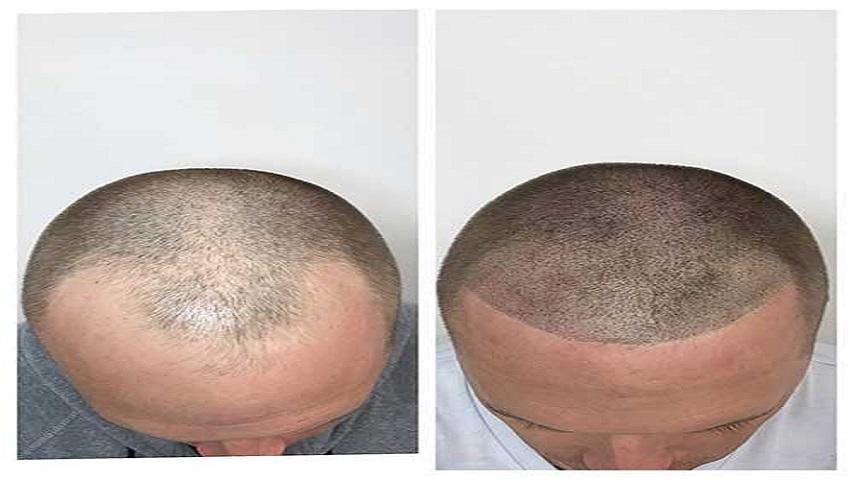
Hair thinning is one of the most common yet misunderstood hair concerns affecting people of all ages. While genetics, hormones, stress, and environmental damage are often blamed, one critical factor frequently goes unnoticed—protein intake. Many people invest in expensive shampoos, oils, and treatments without realizing that healthy hair begins with proper nutrition, especially sufficient protein.
Since hair is primarily made of protein, inadequate intake can directly weaken its structure, slow growth, and accelerate thinning. Understanding this connection can be the key to restoring volume, strength, and vitality.
The Science: Hair Is Made of Protein
Hair strands are composed mainly of keratin, a tough structural protein produced by hair follicles. To manufacture keratin, the body requires amino acids obtained from dietary protein. When protein intake is insufficient, the body prioritizes essential organs over hair production, pushing more follicles into the resting phase. This results in increased shedding and visibly thinner hair.
Unlike skin or other tissues, hair is not essential for survival, so it becomes one of the first areas to suffer when nutrition is lacking.
Signs Your Hair Thinning May Be Protein-Related
Protein deficiency doesn’t always present obvious symptoms at first. However, your hair often sends early warning signs, such as:
· Excessive hair fall during washing or brushing
· Loss of hair density and volume
· Slow or stalled hair growth
· Brittle, weak strands that break easily
· Lack of shine and elasticity
If these symptoms occur without major hormonal or medical issues, diet could be a primary contributor.
How Low Protein Intake Triggers Hair Loss
1. Premature Entry into the Resting Phase
Hair grows in cycles. Protein deficiency can push follicles into telogen (resting phase), leading to a condition known as telogen effluvium, characterized by diffuse shedding across the scalp.
2. Weak Hair Shaft Formation
Insufficient protein results in thinner, fragile strands that snap easily, making hair appear sparse even without excessive shedding.
3. Reduced Follicle Activity
Hair follicles are metabolically active structures. Without adequate nutrients, they become sluggish, producing finer, slower-growing hair.
Why Protein Needs Increase in Modern Lifestyles
Today’s fast-paced routines often lead to irregular meals, processed foods, and low-protein diets. Vegetarians, vegans, crash dieters, and individuals recovering from illness are particularly vulnerable. Additionally, stress and hormonal fluctuations can increase the body’s nutritional demands, further straining hair health.
Even people who eat regularly may not consume enough high-quality protein to support optimal hair growth.
Best Protein Sources for Stronger Hair
Incorporating a variety of protein-rich foods can significantly improve hair thickness over time.
Animal-Based Sources:
· Eggs (rich in biotin and complete protein)
· Fish and chicken
· Dairy products like milk, yogurt, and paneer
Plant-Based Sources:
· Lentils, chickpeas, and beans
· Soy products such as tofu and tempeh
· Nuts and seeds
· Quinoa and whole grains
Combining different plant proteins helps ensure a full spectrum of amino acids, especially for vegetarians.
How Long Does It Take to See Improvement?
Hair growth is gradual, so nutritional changes take time to show visible results. Reduced shedding may occur within 6–8 weeks of improving protein intake, while noticeable thickening typically appears after 3–4 months. Consistency is crucial, as hair follicles need sustained nourishment to remain active.
Protein Alone Isn’t Enough
While protein plays a central role, hair health also depends on other nutrients that support absorption and follicle function, including:
· Iron for oxygen delivery
· Zinc for tissue repair
· Biotin for keratin production
· Vitamins A, C, D, and E for scalp health
A balanced diet ensures these elements work together to promote optimal growth.
When to Seek Professional Help
If hair thinning persists despite dietary improvements, underlying conditions such as hormonal imbalance, thyroid disorders, scalp infections, or genetic factors may be involved. Consulting a hair specialist can help identify the root cause and recommend targeted treatments.
Final Thoughts
Hair thinning is rarely caused by a single factor, but protein deficiency is one of the most overlooked contributors. Since hair is fundamentally a protein-based structure, insufficient intake weakens it from within—long before external damage becomes visible. By prioritizing high-quality protein and balanced nutrition, you support the body’s ability to produce strong, resilient strands.
Healthy, fuller hair doesn’t start in a bottle—it starts on your plate. When your body receives the building blocks it needs, your hair responds with strength, thickness, and renewed life.
Why Protein Deficiency Leads to Hair Thinning and How to Take Action
 Dutch
Dutch
 English
 Arabic
 French
 Spanish
 Portuguese
 Deutsch
 Turkish
 Italiano
 Russian
 Romaian
 Portuguese (Brazil)
 Greek
Greek