

How Small Facilities Handle Oily Wastewater Efficiently
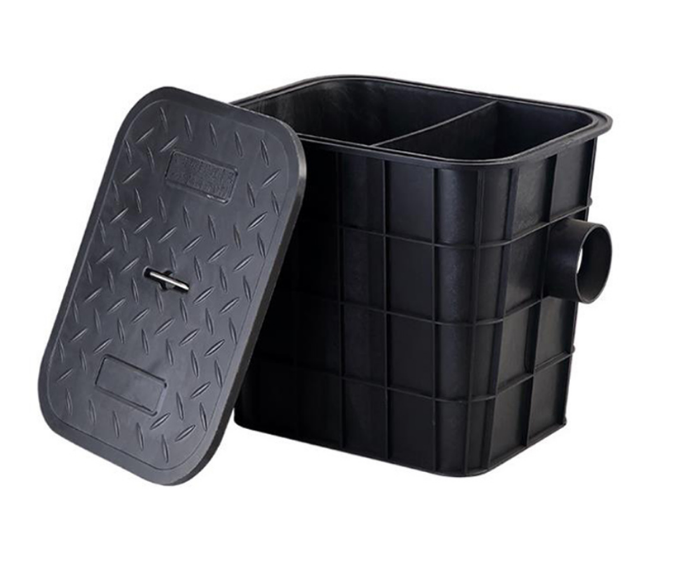
In small to medium industrial sites, managing oily wastewater is essential for environmental compliance. A Plastic Oil Water Separator is often chosen for its ease of transport, installation flexibility, and low structural weight.
These systems are commonly installed in service stations, vehicle maintenance garages, and food processing units. Typical flow rates range from 3 m³/h to 50 m³/h, depending on wastewater generation levels.
The separator operates using a simple but effective mechanism: wastewater flows into a settling chamber where heavy solids drop to the bottom, while oil rises to the top layer. The separation zone is designed to maintain a hydraulic residence time of around 30–45 minutes.
Plastic tanks are typically fabricated using rotational molding or extrusion welding techniques. Wall thickness ranges from 8 mm to 20 mm, depending on tank size and operating conditions.
Key operational features include:
Manual or automatic oil skimming system
Sludge drainage valve at bottom section
Ventilation outlet to prevent pressure build-up
Inspection manholes for maintenance access
Performance is influenced by flow consistency. Sudden hydraulic surges may reduce separation efficiency, so flow control valves are often installed upstream.
A Plastic Oil Water Separator is also frequently used as a pre-treatment stage before biological treatment units, ensuring that downstream systems are not overloaded with hydrocarbons.
Regular maintenance typically involves oil removal and sludge cleaning every few weeks, depending on usage intensity.
 Russian
 English
 Arabic
 French
 Spanish
 Portuguese
 Deutsch
 Turkish
 Dutch
Dutch
 Italiano
 Romaian
 Portuguese (Brazil)
 Greek
Greek