

The Ethics of Insurance Claim Investigations
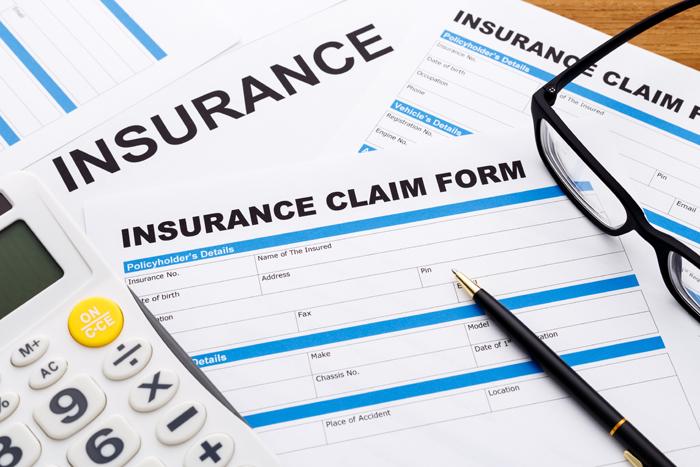
Insurance claim investigations serve as a crucial component of the insurance industry, ensuring that claims are legitimate and that companies can provide coverage in a fair and financially sustainable manner.
While their purpose is to protect both insurers and policyholders, the process raises complex ethical questions. Investigators must navigate a delicate balance between safeguarding against fraud and respecting the rights, dignity, and privacy of claimants.
The ethics of insurance investigations involve considerations of honesty, fairness, transparency, and professional responsibility, as well as the potential social implications of investigative practices.
The Role of Insurance Claim Investigations
Insurance claim investigations are designed to verify the validity of claims submitted by policyholders. They range from examining property damage following accidents or natural disasters to investigating personal injury claims, life insurance policies, and health insurance claims.
Investigators collect evidence, interview witnesses, review medical or financial records, and, in some cases, conduct surveillance. Their findings help insurers make informed decisions about claim approval, settlement amounts, or denial.
While these investigations are intended to prevent fraud, they can inadvertently place a burden on honest claimants. Delays or intrusive inquiries may create stress and anxiety for individuals who are already dealing with the aftermath of loss, injury, or tragedy. Therefore, ethical standards are vital to ensure investigations are conducted responsibly, balancing the insurer’s need to protect against fraud with the policyholder’s rights and well-being.
Ethical Principles in Insurance Claim Investigations
Several core ethical principles guide insurance claims:
Honesty and Integrity
Investigators must conduct their work with honesty and integrity. They are tasked with uncovering facts, not manipulating evidence or creating false narratives. Any misrepresentation of findings can lead to wrongful claim denials, financial harm, and erosion of trust in the insurance industry. Ethical investigators maintain objectivity and avoid conflicts of interest, ensuring that their personal biases or external pressures do not influence outcomes.
Fairness and Impartiality
Fairness is central to ethical investigations. Claimants should not be subjected to unnecessary scrutiny or suspicion solely based on stereotypes, demographics, or socioeconomic status. Investigators must apply consistent standards, treating all claimants equally and avoiding discriminatory practices. An ethical investigation evaluates evidence based on facts, not assumptions or prejudices.
Respect for Privacy
Many investigations involve accessing sensitive personal information, such as medical records, financial statements, or private communications. Ethical investigators respect privacy laws and guidelines, obtaining consent when necessary and using information solely for legitimate purposes. Unwarranted surveillance or intrusive questioning can violate individuals’ rights and damage the reputation of the insurance industry.
Transparency and Accountability
Investigators and insurance companies should maintain transparency in their procedures. Clear communication about the investigative process, timelines, and potential outcomes can reduce anxiety for claimants and foster trust. Accountability is equally important; investigators should be answerable for their methods and findings, and mechanisms should exist for claimants to challenge or appeal decisions they perceive as unfair.
Ethical Challenges in Insurance Claim Investigations
Despite these guiding principles, insurance claim investigations pose significant ethical challenges:
Fraud Detection vs. Presumption of Innocence
A primary challenge is balancing fraud detection with the presumption of innocence. Aggressive surveillance or interrogation techniques may deter fraud but risk treating all claimants as potential criminals. Ethical investigations require careful judgment, ensuring that the pursuit of fraudulent claims does not unfairly target or harass honest policyholders.
Use of Technology
Advances in technology, such as digital tracking, data mining, and social media surveillance, have expanded investigative capabilities. While these tools enhance efficiency, they raise ethical questions about privacy, consent, and the potential for misuse. Investigators must consider whether the use of such technology respects the rights of claimants and whether its benefits justify potential intrusions.
Cultural Sensitivity
Claimants come from diverse cultural backgrounds, and investigators must be sensitive to differences in communication styles, customs, and societal norms. Misunderstandings or cultural insensitivity can lead to biased conclusions or unfair treatment. Ethical investigators actively seek to understand these nuances and avoid actions that may be perceived as disrespectful or discriminatory.
Pressure from Insurance Companies
Investigators often operate under pressure from insurers to limit payouts or expedite claim reviews. This pressure can create ethical dilemmas, as investigators may face conflicts between professional standards and corporate interests. Maintaining independence and prioritizing ethical obligations over financial incentives is essential to uphold the integrity of the investigation process.
Best Practices for Ethical Investigations
To address these challenges, the insurance industry has developed best practices that promote ethical claim investigations:
Comprehensive Training
Investigators should receive thorough training in ethical standards, legal requirements, and cultural competence. Understanding the ethical implications of their actions equips investigators to handle complex situations responsibly.
Clear Policies and Guidelines
Insurance companies should establish clear policies outlining acceptable investigative practices. Guidelines on evidence collection, surveillance, privacy protection, and communication help ensure consistency and fairness.
Regular Audits and Oversight
Independent audits and oversight mechanisms help monitor compliance with ethical standards. These measures can identify potential abuses, provide accountability, and reinforce public trust in the insurance system.
Emphasis on Communication
Transparent communication with claimants reduces uncertainty and fosters cooperation. Ethical investigators explain procedures, clarify expectations, and provide updates, demonstrating respect and professionalism.
Collaboration with Legal and Ethical Advisors
Engaging legal counsel and ethics advisors can help navigate complex cases and ensure compliance with laws and ethical guidelines. This collaboration supports informed decision-making and reduces the risk of ethical breaches.
Conclusion
Insurance claim investigations occupy a critical role in maintaining the integrity of the insurance industry, protecting both companies and policyholders from fraud and financial loss. However, the ethical landscape is complex, requiring careful consideration of honesty, fairness, privacy, transparency, and accountability.
Investigators face challenges in balancing fraud prevention with respect for claimants’ rights, managing technological and cultural complexities, and resisting undue corporate pressure.
 English
 Arabic
 French
 Spanish
 Portuguese
 Deutsch
 Turkish
 Dutch
Dutch
 Italiano
 Russian
 Romaian
 Portuguese (Brazil)
 Greek
Greek