

220g or 450g: Which Camping Fuel Canister Fits You?"
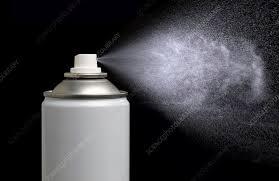
Weekend camping has a funny way of exposing the decisions you made at home. Not the big ones — which trail, which tent, which sleeping bag. The small ones. The ones you barely thought about. And somewhere between the car park and the campsite, when the wind picks up and everyone is hungry, you find out whether those small decisions were good ones. Fuel is almost always one of them. How much you brought, which size you grabbed off the shelf, whether the canister in your pack actually matches the trip you are on — these things matter more than they seem when you are still standing in a shop. The Butane Gas Cartridge comes in two sizes that cover most camping scenarios: 220g and 450g. They look nearly identical. They connect to the same stoves. But treating them as interchangeable is a mistake people tend to make exactly once.
Take the 220g canister. It is compact, genuinely light, easy to tuck into a side pocket without thinking about it. For one person over a night or two — coffee in the morning, something hot in the evening — it usually covers the ground. Simple cooking, modest consumption, no real drama. Carry a spare if you are uncertain, and the weight penalty is still manageable. But slide that same canister into a scenario with two or three people cooking across two nights, and the math quietly turns against you. Repeated boiling, longer cook times, the kind of wind that shows up uninvited at elevation and pulls heat away from the pot before it has a chance to do anything useful — suddenly that small canister is gone before breakfast on the second morning.
Wind is the variable most people forget. It sounds minor. It is not. A breezy evening at any meaningful altitude can double the fuel a stove burns for a single pot of water, because most of the heat simply never reaches what you are cooking. Campers who have not encountered this tend to underestimate it in ways that are hard to explain until they have actually experienced running low on fuel while it is still cold and dark.
The 450g canister answers that problem by giving you room to breathe. Yes, it is heavier. Yes, it takes up more space. But there is a kind of quiet comfort in knowing you are not rationing your coffee on the second morning, mentally calculating whether there is enough fuel left to heat water for the drive home. For a group splitting the load across multiple packs, the weight question becomes less pressing anyway — distributed across three people, a heavier canister stops feeling like a burden and starts feeling like a reasonable trade.
Cold adds another wrinkle entirely. Butane's vapor pressure drops as temperature falls, which means your stove delivers noticeably less heat on a cold morning than it does in mild conditions. The same canister, the same stove, the same meal — and it takes longer, burns more fuel, feels sluggish. Isobutane blends handle cold better, but even quality blends are not immune. Cold-weather cooking simply consumes more fuel than most planning accounts for, and if your canister size was already borderline for the trip, cold conditions push it into shortage.
There is also the leftover fuel problem, which nobody talks about but everyone encounters. A partially used canister is almost impossible to gauge accurately. Shaking it is not reliable. Carrying it home trip after trip with an unknown quantity inside is its own quiet inefficiency. Some campers solve this by committing to one size and cooking consistently enough that they develop a genuine feel for consumption over a given trip length. That kind of accumulated experience is worth more than any formula.
None of this produces a universal answer, because the right canister size is the one that matches your actual trip — the number of people, the cooking habits, the expected conditions, the pack weight you are genuinely willing to carry. A solo traveler on a one-night trip in mild weather has different needs than a pair of people cooking real meals over two cold nights at elevation. Both are valid. Both require different fuel decisions.
What does not vary is the value of a canister that connects cleanly, burns consistently, and performs the way it should from full to nearly empty. A leaky connection or an inconsistent flame is not something you troubleshoot easily at a campsite in the dark. Quality in the hardware matters, and it tends to show up precisely when conditions are difficult enough that you are already dealing with enough. The range at https://www.bluefirecans.com/product/ is built around that kind of reliability — fuel products made for real outdoor conditions, in sizes that reflect how people actually camp, so the decision you make before leaving home holds up once you are actually out there.
 English
 Arabic
 French
 Spanish
 Portuguese
 Deutsch
 Turkish
 Dutch
Dutch
 Italiano
 Russian
 Romaian
 Portuguese (Brazil)
 Greek
Greek