

God Murti: Meaning, Significance, and Spiritual Essence in Hindu Culture
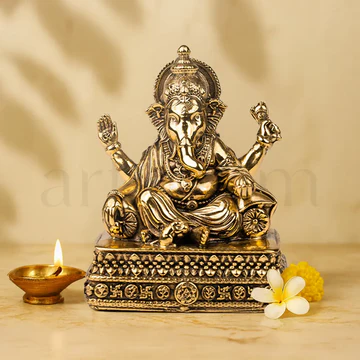
In Indian spirituality, the concept of a God Murti holds deep religious, cultural, and artistic importance. A murti is not just a decorative object—it is a sacred embodiment of divine energy that plays a central role in Hindu worship, meditation, and daily rituals. Whether placed in temples or homes, God murtis serve as a bridge between the physical and the spiritual world, helping devotees connect with the divine in a meaningful and personal way.
What is a God Murti?
The word “murti” comes from Sanskrit and means form, embodiment, or manifestation. In Hinduism, a murti refers to a physical representation of a deity—such as Lord Ganesha, Lord Krishna, Goddess Lakshmi, or Lord Shiva—created in materials like marble, metal, wood, or clay. ()
Unlike a simple statue, a murti is considered sacred because it symbolizes the presence of the divine. It is not worshipped as a mere object, but as a medium through which devotees experience God. ()
Spiritual Significance of God Murtis
God murtis are deeply rooted in the philosophy of Hinduism. The ultimate reality, known as Brahman, is formless and infinite. However, for most people, it is difficult to connect with something abstract. A murti provides a tangible form that allows devotees to focus their thoughts, prayers, and emotions.
1. A Bridge to the Divine
Murtis act as a spiritual connection between humans and God. They help individuals concentrate during prayer (puja) and meditation by offering a visible focal point. ()
2. Embodiment of Divine Energy
Through a sacred ritual called Prana Pratishtha, the murti is infused with spiritual energy, transforming it into a living representation of the deity. ()
3. Expression of Devotion (Bhakti)
Devotees express love, respect, and devotion through offerings like flowers, incense, lamps, and food. These rituals strengthen emotional and spiritual bonds with the divine.
Types of God Murtis
God murtis come in various forms, each reflecting different aspects of divine energy and symbolism.
1. Anthropomorphic Murtis
These are human-like representations of deities, often depicted with symbolic features such as multiple arms or heads, representing divine powers and attributes.
2. Symbolic or Abstract Murtis
Some murtis are not human-shaped, like the Shiva Lingam, which represents cosmic energy and creation.
3. Utsava Murtis (Festival Idols)
These are portable murtis used during religious festivals and processions, allowing devotees to celebrate and interact with the deity outside temples. ()
4. Temporary Murtis
Often made of clay, these are used during festivals like Ganesh Chaturthi and later immersed in water, symbolizing the cycle of creation and dissolution.
Materials Used in Making God Murtis
The creation of a murti is an art guided by ancient scriptures and traditions. Skilled artisans, known as shilpins, follow precise rules while crafting murtis.
Common materials include:
- Marble – Known for its purity and elegance
- Brass and Metal – Durable and traditional
- Wood – Warm and artistic
- Clay – Eco-friendly and widely used in festivals
Each material carries its own spiritual and aesthetic value, making every murti unique.
Role of God Murtis in Daily Worship
In Hindu households, a murti is often placed in a dedicated space called a home temple or mandir. Daily rituals may include:
- Lighting a diya (lamp)
- Offering flowers and food (prasadam)
- Chanting mantras
- Performing aarti
These practices create a sacred atmosphere and bring peace, positivity, and spiritual discipline into everyday life.
Artistic and Cultural Importance
Beyond spirituality, God murtis are masterpieces of Indian art and craftsmanship. From intricate carvings to detailed expressions, each murti tells a story rooted in mythology and tradition.
The design of a murti is not random—it follows strict guidelines described in ancient texts like the Agamas and Puranas. These guidelines ensure that every detail, from posture to expression, reflects divine qualities. ()
Misconceptions About Murti Worship
One common misconception is that Hindus “worship idols.” In reality, murti worship is about honoring the divine through a physical form, not worshipping the material itself.
A murti is similar to a photograph of a loved one—it is not the person, but it evokes connection, memory, and emotion. Similarly, a murti helps devotees focus their devotion and feel closer to God.
Modern Relevance of God Murtis
In today’s fast-paced world, God murtis continue to hold great relevance. They provide:
- A sense of calm and mindfulness
- A connection to cultural roots
- A source of inspiration and positivity
With the rise of online platforms like your collection page, beautifully crafted murtis are now accessible to people worldwide, allowing them to bring spirituality into their homes effortlessly.
Choosing the Right God Murti
When selecting a murti, consider:
- Size and placement – Suitable for home or temple
- Material – Based on durability and aesthetics
- Deity significance – Choose a deity that resonates with your beliefs
- Craftsmanship – High-quality detailing enhances spiritual and visual appeal
A well-chosen murti not only enhances décor but also creates a sacred environment filled with divine energy.
Conclusion
A God Murti is far more than a decorative piece—it is a symbol of faith, devotion, and spiritual connection. Rooted in centuries of tradition, murtis help individuals experience the divine in a tangible and meaningful way. They serve as a reminder that the sacred is not distant but present in everyday life.

 English
 Arabic
 French
 Spanish
 Portuguese
 Deutsch
 Turkish
 Dutch
Dutch
 Italiano
 Russian
 Romaian
 Portuguese (Brazil)