

Can You Make Real Ramen Noodles at Home With Haiou?
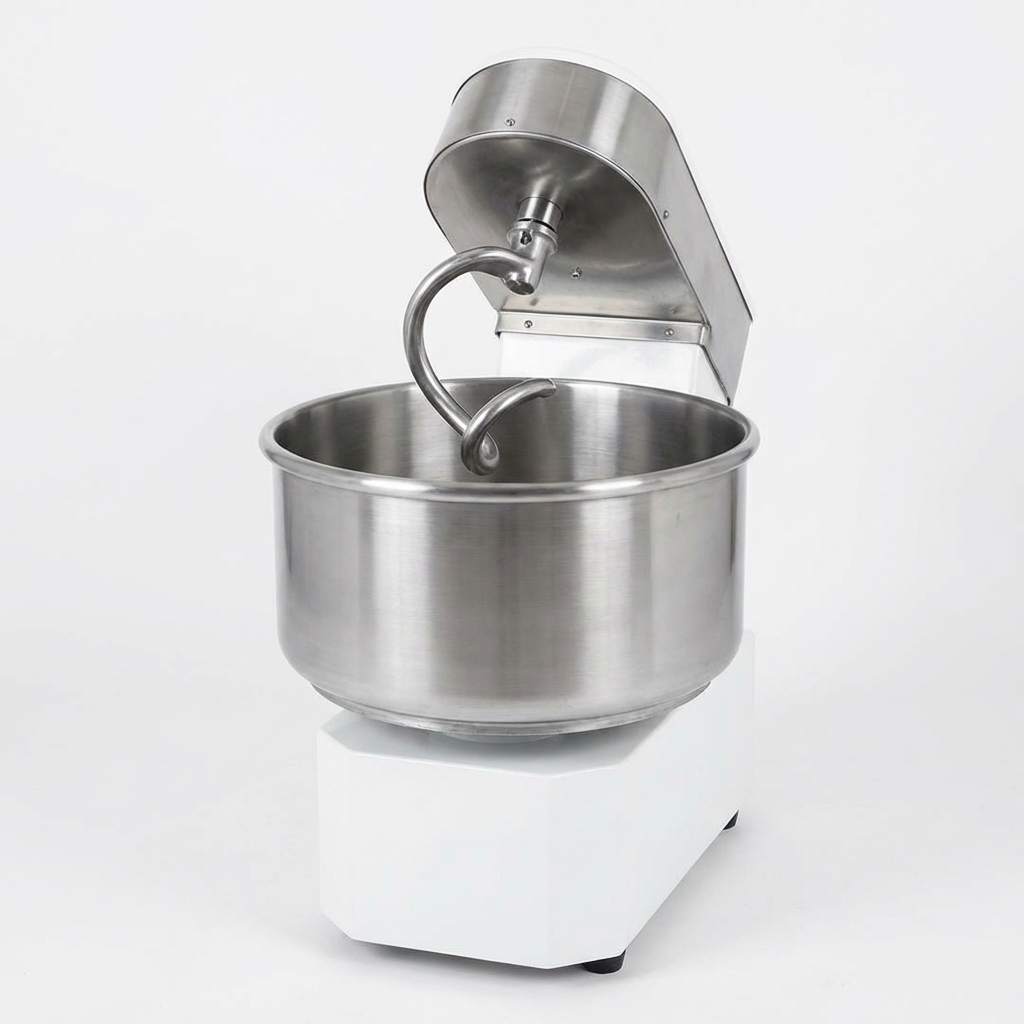
Ramen has moved well beyond its origins as a casual dining staple into something that serious home cooks actively want to recreate in their own kitchens. The broth, the toppings, and the seasoning all get attention in home ramen projects, but the noodle itself is often the element that falls shortest of the restaurant experience. Using an Electric Noodle Maker to produce fresh ramen noodles at home closes that gap in a way that dried or packaged alternatives simply cannot, and the process is more approachable than most cooks expect once the dough fundamentals are understood.
Ramen noodles are distinct from other pasta styles in a way that affects both dough preparation and machine handling. The defining characteristic of a ramen noodle is its alkaline quality, which gives it that slightly springy, firm bite and the pale yellow colour associated with restaurant ramen. This alkalinity comes from adding a small amount of baked baking soda or a specific alkaline salt to the dough. Baking soda spread on a lined tray and heated in a moderate oven for around an hour transforms into a more strongly alkaline compound that mimics the traditional ingredient used in ramen noodle production. Using this in the dough rather than standard baking soda produces a noticeably more authentic result in both texture and flavour.
The flour used for ramen dough should have a moderate to high protein content. A strong bread flour produces the gluten network needed for the firm, springy chew that defines a well made ramen noodle. The hydration level for ramen dough is lower than for most egg pastas, typically sitting in the range that produces a firm, almost crumbly dough before kneading develops the gluten and brings it together. This lower hydration makes the dough denser and more resistant, which is exactly where a machine with a capable motor earns its place. Hand kneading a stiff ramen dough to full gluten development is a genuinely demanding physical task that the machine handles consistently and without fatigue.
After mixing, the dough needs a meaningful rest period wrapped tightly to prevent drying. Thirty minutes at minimum, though an hour produces a noticeably smoother result as the gluten fully relaxes and the moisture distributes evenly throughout the dough. A well rested dough moves through the rollers more cooperatively and produces sheets with a cleaner surface texture that holds up better in hot broth.
Rolling ramen dough follows the same graduated approach used for other pasta styles, beginning at the widest setting and moving progressively thinner over multiple passes. Ramen noodles are typically cut at a medium thin setting that produces a noodle with enough body to maintain its texture through the cooking process and in the bowl. A very thin ramen noodle softens too quickly in hot broth and loses the structural quality that makes the eating experience satisfying. The cutting attachment for a medium width noodle, roughly two millimetres, is a good starting point for a classic ramen style.
The broth that accompanies fresh ramen noodles deserves preparation that matches the quality of the noodles themselves. A broth built over several hours from bones, aromatics, and seasoning produces a depth of flavour that elevates fresh noodles in a way that a quick stock cannot. The noodles cook separately in boiling water for two to three minutes and are transferred directly into the hot broth rather than being cooked in it, which keeps the broth clear and allows the noodle texture to remain distinct rather than becoming starchy.
Toppings follow personal preference, but soft cooked eggs, braised pork or chicken, spring onion, and a small amount of flavoured oil are classic additions that round out a home ramen bowl into something genuinely close to what a dedicated ramen kitchen produces.
Home cooks ready to bring fresh ramen noodle making into their regular cooking routine can review a range of well built machines suited to this kind of demanding dough at https://www.cnhaiou.com/ where options designed for consistent home noodle production are available.

 English
 Arabic
 French
 Spanish
 Portuguese
 Deutsch
 Turkish
 Dutch
Dutch
 Italiano
 Russian
 Romaian
 Portuguese (Brazil)