

What Makes a Gas Canister Worth Carrying Outdoors?
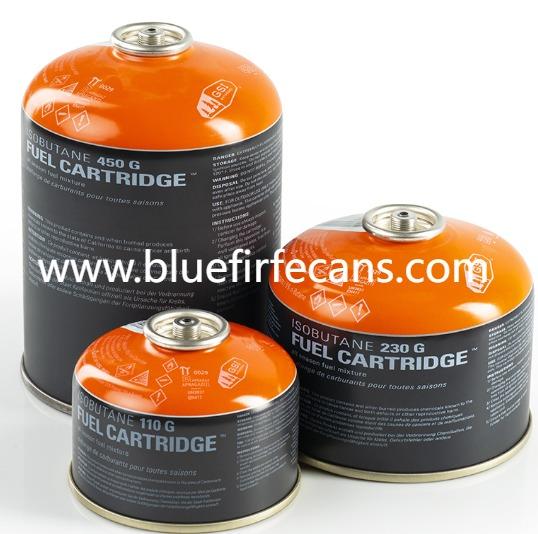
Fuel is one of those things you only think about when it runs out. Cold stove, empty canister, no backup plan — most people who spend time outdoors have been there at least once. The 450g Gas Canister sits at a genuinely useful point in this whole equation. Big enough for multi-day trips, small enough to forget it is in your bag until you actually need it.
What is inside matters more than the steel shell suggests. The canister holds a pressurized gas blend — usually some combination of butane and propane, sometimes isobutane thrown into the mix. Each gas behaves differently depending on where you are and what the air is doing around you. Propane handles cold better. Butane burns cleaner but sulks when temperatures drop. A blended canister tries to split the difference, which is why most people cooking outdoors reach for one without overthinking it.
The valve is, genuinely, where the practical magic happens. A threaded connection, compatible with a wide range of stoves, means you attach it, crack the valve open, and ignite. That is it. No priming rituals, no pumping, no liquid fuel nervousness. For anyone who has wrestled with other fuel systems on a windy morning with cold hands, this simplicity is not a small thing.
Altitude catches people off guard more than almost anything else in outdoor cooking. A canister that performed without complaint at lower ground can feel sluggish and weak a few thousand metres up, because the pressure difference between inside the canister and outside starts to shrink. Keeping the canister warm before use — tucked inside a jacket rather than left on frozen ground — helps. Not a perfect fix, but a real one.
Weight is a conversation worth having honestly. A full canister in this size is not light. But it is also not pointless weight. For several days of cooking, the fuel-to-weight trade is reasonable, and the steel body takes the kind of treatment that gear gets on actual trips rather than just idealised ones. Drops, compression from other packed items, temperature swings between night and midday — a decent canister handles all of this without becoming a liability.
Compatibility deserves a mention because it is the thing people check last and regret earliest. Valve threads are not universal. A stove and canister that look like they should connect sometimes simply do not, and realising this at a campsite rather than at home is a particular kind of frustrating. Thirty seconds of checking before the trip removes that variable entirely.
There is a tendency to treat a gas canister as background equipment — interchangeable, forgettable, not worth much thought. The 450g Gas Canister pushes back against that a little. Understanding the fuel blend, respecting how altitude and cold affect pressure, checking compatibility before departure rather than after arrival — these are small things that add up to actually eating well when you are somewhere difficult and far from alternatives. Those wanting a canister that handles varied conditions without fuss can browse what Bluefire offers at https://www.bluefirecans.com/product/ .
 Turkish
 English
 Arabic
 French
 Spanish
 Portuguese
 Deutsch
 Dutch
Dutch
 Italiano
 Russian
 Romaian
 Portuguese (Brazil)
 Greek
Greek