

Strengthening Resilience Healthcare Programs and Flood Relief Initiatives in Pakistan 2026
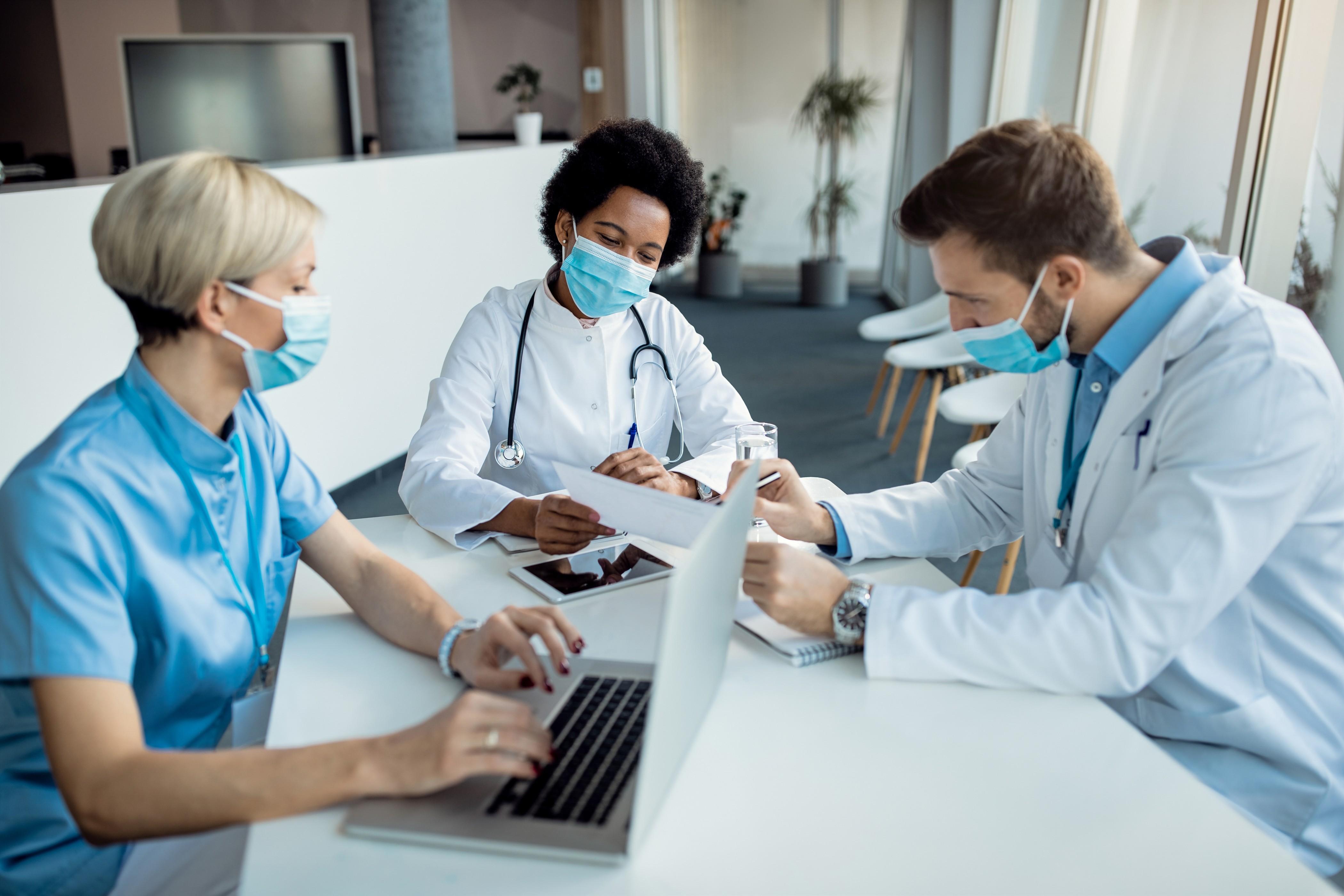
By the year 2026, humanitarian efforts across Pakistan have transitioned from immediate disaster response toward a structured model of long-term rehabilitation. The current focus addresses the significant health and infrastructure gaps caused by recurring seasonal floods. This is particularly evident in high-risk regions such as Sindh, South Punjab, and Balochistan, where recovery remains a top priority.
National Flood Recovery and Relief Initiatives
The primary vehicle for restoration is a multisectoral recovery drive designed to provide a safety net for displaced families and small-scale industries. Direct cash transfers now reach families in officially declared flood zones to help restore lost livelihoods and cover immediate household needs. In many affected areas, domestic electricity bills have been waived for thousands of households with a refund system in place for those who previously made payments.
Farmers are also receiving specific recovery grants and deferred loan payments to help them restart cultivation and repair damaged irrigation systems. Large-scale projects are simultaneously underway to rebuild hospitals, schools, and bridges. These efforts ensure that essential services are restored with a much higher level of climate resilience than in previous decades.
Integrated Healthcare Programs for Affected Regions
Access to healthcare programs in 2026 is driven by mobile units and decentralized clinics to ensure that remote populations are not excluded from life-saving services. Mobile Health Units or MHUs bring diagnostics, ultrasound services, and maternal care directly to village doorsteps. These are vital for treating waterborne diseases and malnutrition in areas where permanent clinics suffered damage.
Advanced digital surveillance systems have been rolled out across nearly 100 districts to provide real-time data on outbreaks of malaria, dengue, and cholera. This allows for rapid intervention before a local issue becomes a widespread crisis. Furthermore, dedicated programs now focus on severe acute malnutrition by providing specialized therapeutic food and micronutrient supplements to children and pregnant women.
The Impact of Humanitarian Contributions
Healthcare charities remain the backbone of the landscape in 2026 and often reach hard-to-reach communities through a vast network of local volunteers. These groups manage mobile health units and distribute thousands of ration packs to those in need. High-impact projects such as the installation of submersible water pumps in both drought prone and flood hit regions have become a standard part of the recovery process.
Specialized medical teams continue to combat post flood infectious diseases by providing free treatments for respiratory infections and malaria. Long-term rehabilitation also involves building climate resilient shelters and repairing communal water systems to prevent future disease outbreaks. Large volunteer ambulance networks ensure that emergency evacuations and medical transport remain available even in the most isolated districts.
Establishing Long-Term Benefit Through Relief
For many, the act of giving in 2026 focuses on projects that offer a continuous benefit to the community. Repairing broken hand pumps and installing solar powered water filtration units provide a permanent source of safe drinking water. This significantly reduces the prevalence of waterborne illnesses in rural areas.
Supporting the reconstruction of permanent and flood resistant homes provides a haven for families for decades to come. Additionally, rebuilding classrooms and providing school kits allows children to return to learning. This ensures that the long-term potential of the next generation is not lost to the cycle of crisis.
Frequently Asked Questions
How can an individual ensure a donation reaches those in need?
In 2026, it is best to support organizations that provide transparent and third party audited reports alongside real-time field updates. Most major groups now offer digital receipts and impact summaries for every contribution made.
Are these relief programs zakat eligible?
Most programs focused on emergency healthcare, food rations, and shelter are eligible as they directly serve those in extreme poverty. Many organizations maintain a policy where the full amount reaches the beneficiaries without administrative deductions.
Is there support for psychological recovery?
Many groups have integrated mental health support into their medical camps to recognize the emotional trauma caused by the loss of homes. Professional counseling has become a standard component of long-term rehabilitation efforts across the country.

 English
 Arabic
 French
 Spanish
 Portuguese
 Deutsch
 Turkish
 Dutch
Dutch
 Italiano
 Russian
 Romaian
 Greek
Greek