

The Evolution of Telecommunication Services and Connecting a Digital World
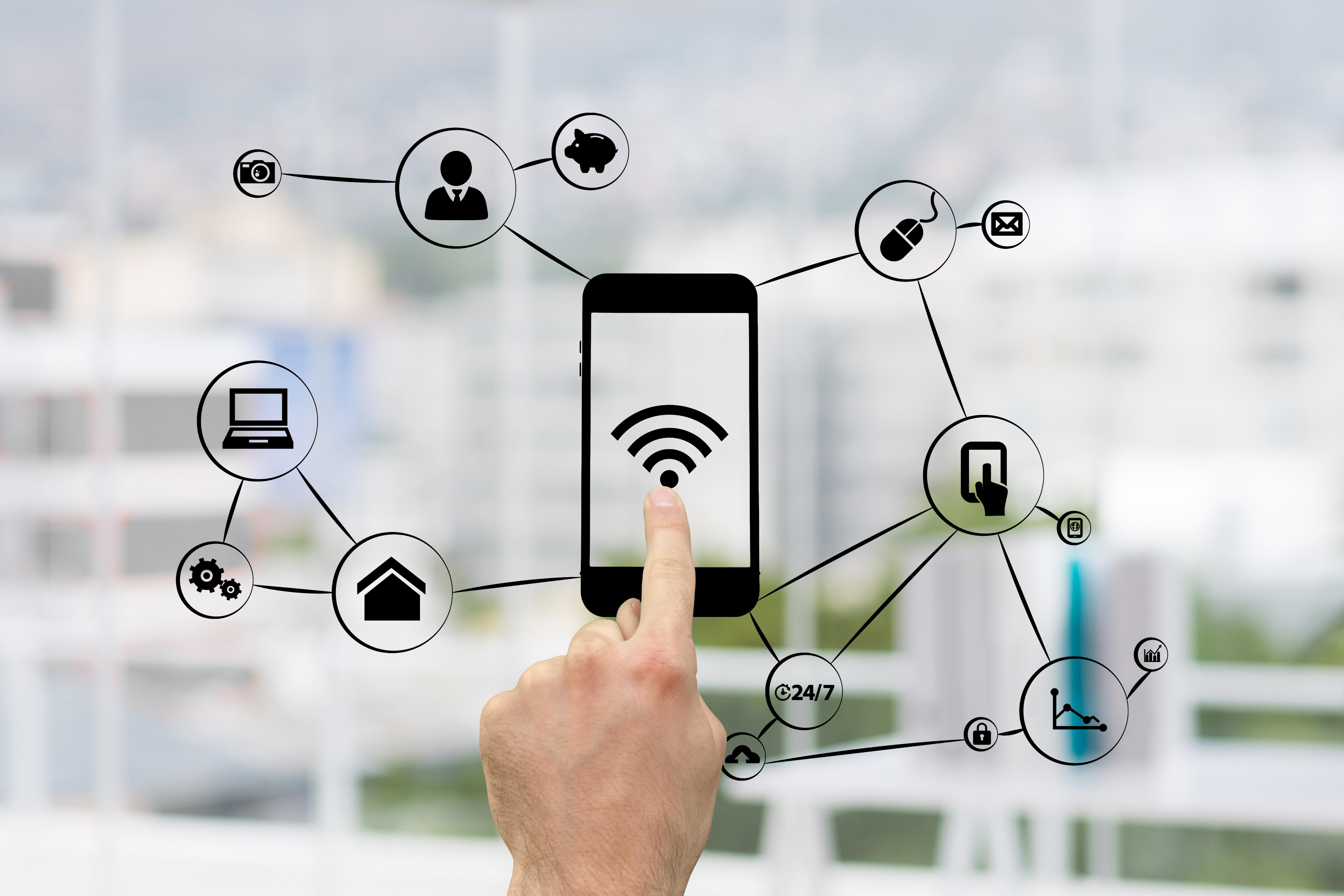
The telecommunication services have now shifted in the modern era from being no more than a mere utility and turned into the backbone of the world economy. The industry, as we sail through 2026, is characterized by its move towards making it an intelligent connectivity where artificial intelligence, integration of satellites, and super high-speed fiber networks come together to provide a thin digital canvas.
The Three Pillars of Modern Connectivity
Today’s telecommunications ecosystem is built upon three primary delivery methods, each serving a unique role in how data is moved across the globe.
-
Advanced Mobile Networks: The rollout of 5G-Advanced has significantly enhanced mobile experiences. Unlike the initial stages of 5G, this phase focuses on ultra-low latency and deterministic networking, which is essential for technologies like autonomous vehicles and remote industrial robotics.
-
Fiber-to-the-Room (FTTR): While fibre-to-the-home was the previous standard, the focus has shifted to ensuring high-speed gigabit access reaches every individual room. This eliminates dead zones in large buildings and supports the massive bandwidth requirements of 8K streaming and extended reality (XR) headsets.
-
Satellite-to-Cell Integration: One of the most significant breakthroughs in recent years is the ability of standard smartphones to connect directly to low earth orbit (LEO) satellites. This service provides a critical safety net, ensuring that users can maintain basic communication even in the most remote geographical locations or during terrestrial network failures.
Key Technological Trends Shaping the Industry
The telecommunication sector is no longer just about moving bits of data; it is about processing that data with unprecedented speed and intelligence.
AI-Native Infrastructure
Telecom operators are moving towards the increased use of AI-native structures. They are machine learning systems that predict congestion on the network and reroute traffic automatically. This self-healing feature minimizes downtime and makes sure that priority is given to essential services of healthcare and emergency response when the services are in high demand.
The Rise of Edge Computing
The providers are directly deploying edge servers that are close to the cell towers and local hubs to reduce the physical distance that data traverses. These services can be used to achieve near-instantaneous response times by processing data nearer to the end-user, and this is a precondition of the next generation of cloud gaming and real-time language translation services.
Network Slicing for Specialized Industries
The network slicing allows splitting a single physical 5G network into several virtual networks. The individual slices are configurable with individual speeds and security levels. As an example, a slice can be dedicated to the smart-grid infrastructure of a city, which means that its data will never be slowed down by the public mobile traffic.
Challenges and Future Horizons
As the industry looks toward the eventual transition to 6G, several challenges remain at the forefront of the conversation.
-
Sustainability and Energy Efficiency: The massive increase in data traffic requires significant power. Telecom providers are now investing heavily in Green ICT, using AI to put inactive hardware into deep-sleep modes and transitioning towers to renewable energy sources.
-
Security in a Quantum Era: With the rise of advanced computing, telecommunication services are beginning to implement post-quantum cryptography. This ensures that encrypted data remains secure against future computational threats.
-
The Digital Divide: Despite technological leaps, ensuring equitable access to high-speed telecommunications remains a global priority. Efforts are focused on lowering the cost of entry for satellite-based broadband to connect underserved rural populations.
Frequently Asked Questions
How does 5G-Advanced differ from standard 5G?
5G-Advanced borrows on the success of 5G and enhances power efficiency, improves the accuracy of positioning of GPS-like services, and enables a much denser population of Internet of Things (IoT) devices.
Why is fiber still necessary if mobile speeds are so high?
Fiber is considered the gold standard of stabilizing and raw capacity. The mobile networks are very flexible, but fiber offers a high-capacity backbone that helps to transport the data from the cell towers to the internet.
What is the benefit of Satellite-to-Cell services?
Complete coverage is the major advantage. It enables a regular, untouched phone to transmit emergency messages or place calls in the center of the ocean or a desert in the far-off part of the world where it is not possible to erect a regular cell tower.
Will 6G replace 5G soon?
6G is still in specification and research stage. Although the first prototypes are under test in 2026, not until around 2030 will widespread commercial availability be achieved.

 English
 French
 Spanish
 Portuguese
 Deutsch
 Turkish
 Dutch
Dutch
 Italiano
 Russian
 Romaian
 Portuguese (Brazil)
 Greek
Greek