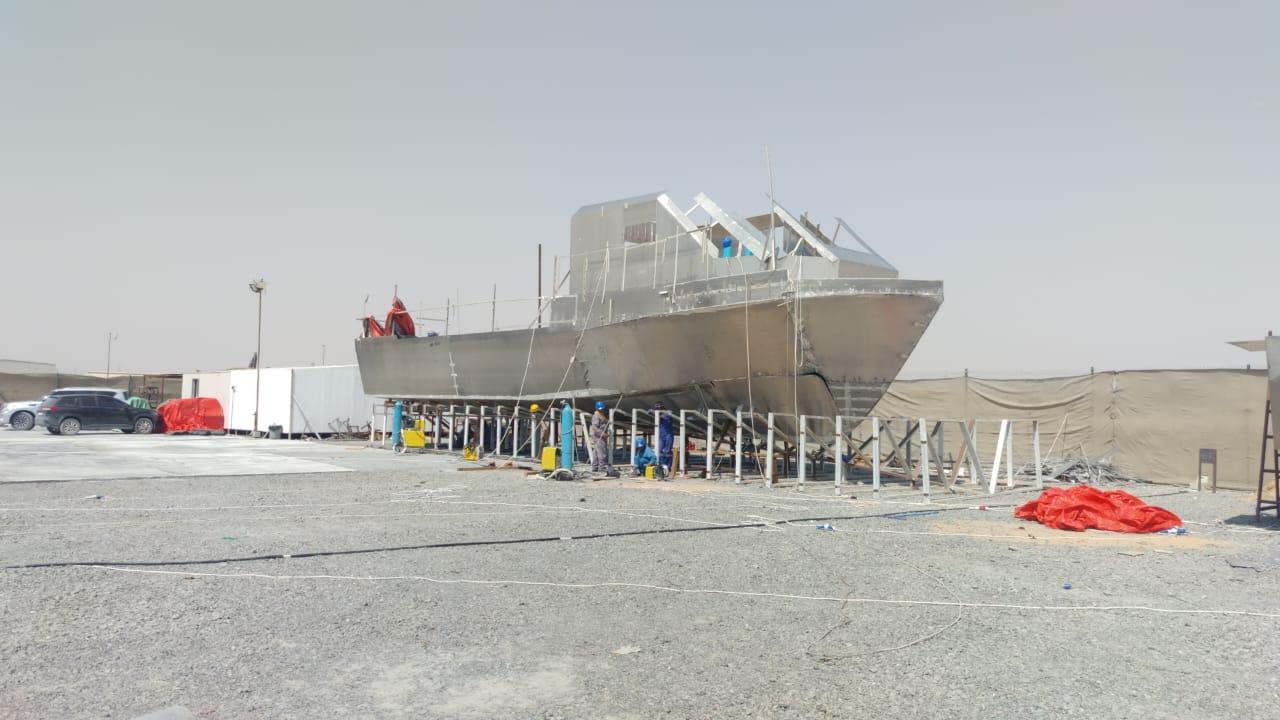
The global maritime industry is moving toward more environmentally friendly technologies and materials. One of the most important innovations helping this transition is aluminium boat building. Aluminum has become a preferred material in modern marine construction because it is lightweight, durable, corrosion-resistant, and highly recyclable. These characteristics make it an ideal choice for building sustainable boats and vessels.
As the demand for eco-friendly transportation grows, many marine engineers and shipyards are adopting aluminum as their primary construction material. Modern aluminium boat builders are designing vessels that are more fuel-efficient and environmentally responsible compared to traditional steel boats. This shift is helping the marine industry reduce emissions and operate more sustainably.
Companies like VU Marine are among those contributing to the advancement of sustainable boat construction by focusing on innovative aluminum vessel design. Through improved engineering and advanced manufacturing techniques, aluminum boats are becoming a key solution for the future of green marine transportation.
Growing Need for Sustainable Marine Transportation
The maritime industry is responsible for transporting nearly 90% of global trade, according to the International Maritime Organization (IMO). While shipping is essential for the global economy, it also contributes to environmental challenges such as greenhouse gas emissions and marine pollution.
Studies indicate that the global shipping sector produces around 2–3% of the world's total carbon dioxide emissions. Because of this impact, governments and international organizations are pushing for greener technologies and more efficient vessels.
In response, shipyards and engineers are exploring sustainable materials that reduce fuel consumption and environmental impact. Aluminum has emerged as one of the most promising materials because it supports both performance and sustainability in marine construction.
Lightweight Structure Improves Fuel Efficiency
One of the biggest advantages of aluminum boats is their lightweight structure. Aluminum weighs about 30–40% less than steel, which significantly reduces the overall weight of a vessel. A lighter vessel requires less engine power to operate, which directly improves fuel efficiency.
Research in marine engineering suggests that aluminum vessels can reduce fuel consumption by 15% to 25% compared to traditional steel boats of similar size. Lower fuel usage means fewer greenhouse gas emissions and lower operational costs for boat operators.
Because of this efficiency, aluminum boats are widely used for ferries, patrol boats, fishing vessels, and workboats. Many aluminium boats manufacturers now focus on designing vessels that combine lightweight materials with advanced hull designs to improve performance while minimizing environmental impact.
Corrosion Resistance and Reduced Maintenance
Marine environments are extremely harsh due to constant exposure to saltwater, humidity, and varying weather conditions. Traditional steel vessels are vulnerable to corrosion, which requires heavy coatings, chemical treatments, and frequent maintenance.
Aluminum offers a natural advantage because it forms a protective oxide layer that helps prevent corrosion. This natural resistance reduces the need for harmful chemical coatings and protective paints.
Lower maintenance requirements also reduce the amount of industrial waste entering marine ecosystems. Over time, this contributes to cleaner oceans and healthier marine environments.
In addition, aluminum boats generally last longer than many traditional vessels. Their durability means fewer replacements are required, which reduces the overall environmental footprint of marine manufacturing.
High Recyclability and Environmental Benefits
Another important factor that makes aluminum ideal for sustainable marine solutions is its recyclability. Aluminum is considered one of the most recyclable materials in the world. According to industry reports, nearly 75% of all aluminum ever produced is still in use today.
Recycling aluminum requires about 95% less energy compared to producing new aluminum from raw bauxite ore. This massive reduction in energy consumption helps decrease greenhouse gas emissions during manufacturing.
When aluminum boats reach the end of their service life, much of the material can be recycled and reused for new vessels or other industrial products. This circular lifecycle makes aluminum an environmentally responsible material for marine construction.
For this reason, many shipyards and marine engineers prefer aluminum as part of their long-term sustainability strategies.
Advanced Design and Engineering Possibilities
Aluminum also allows greater flexibility in boat design and engineering. The material is strong yet lightweight, which enables engineers to create innovative hull shapes and structures that improve hydrodynamic performance.
Modern aluminum vessels are used for many marine applications, including:
Advanced welding technologies and computer-aided design tools allow shipbuilders to create precise aluminum structures that maximize strength while minimizing weight. These innovations lead to faster, more efficient vessels.
A modern boat building company that focuses on aluminum construction can design vessels that meet strict environmental standards while still delivering high performance.
Lower Operational and Maintenance Costs
Another important benefit of aluminum boats is their lower lifetime operational cost. Maintenance is one of the largest expenses in the maritime industry. Steel vessels require regular repainting, rust treatment, and structural repairs.
Aluminum vessels, on the other hand, require significantly less maintenance because they resist corrosion naturally. Studies suggest that aluminum boats can reduce maintenance costs by 20–30% over their operational lifespan.
Lower maintenance requirements also mean fewer chemicals and coatings are released into the marine environment. This supports cleaner oceans and reduces the ecological impact of marine operations.
Supporting the Future of Green Shipping
Sustainability is becoming a major priority for the global maritime industry. The International Maritime Organization has set ambitious goals to reduce shipping emissions by 50% by the year 2050.
Achieving these goals requires the adoption of innovative materials and more efficient vessel designs. Aluminum is playing a crucial role in this transition because it supports lightweight construction, fuel efficiency, and recyclability.
Companies like VU Marine are helping drive innovation in aluminum vessel construction by focusing on efficient designs and sustainable engineering practices. As more shipbuilders adopt aluminum technologies, the marine industry will continue moving toward greener and more sustainable operations.
Conclusion
The maritime industry is undergoing a major transformation as it works to reduce environmental impact and improve operational efficiency. Sustainable materials and innovative construction methods are now essential for the future of marine transportation.
Aluminum offers several advantages that make it ideal for eco-friendly boat construction. Its lightweight structure improves fuel efficiency, its corrosion resistance reduces maintenance needs, and its recyclability helps support sustainable manufacturing.
With increasing global demand for greener vessels, aluminum boats are becoming a vital part of the marine industry's future. As technology continues to advance, aluminum will remain a key material in building efficient, durable, and environmentally responsible marine vessels.
Through continued innovation and sustainable practices, aluminium boat construction is helping create a cleaner and more efficient future for the global maritime industry.



 English
 Arabic
 French
 Spanish
 Portuguese
 Deutsch
 Turkish
 Dutch
Dutch
 Italiano
 Russian
 Romaian
 Greek
Greek