

Common Reasons for Orange Flame on Gas Stove Burners
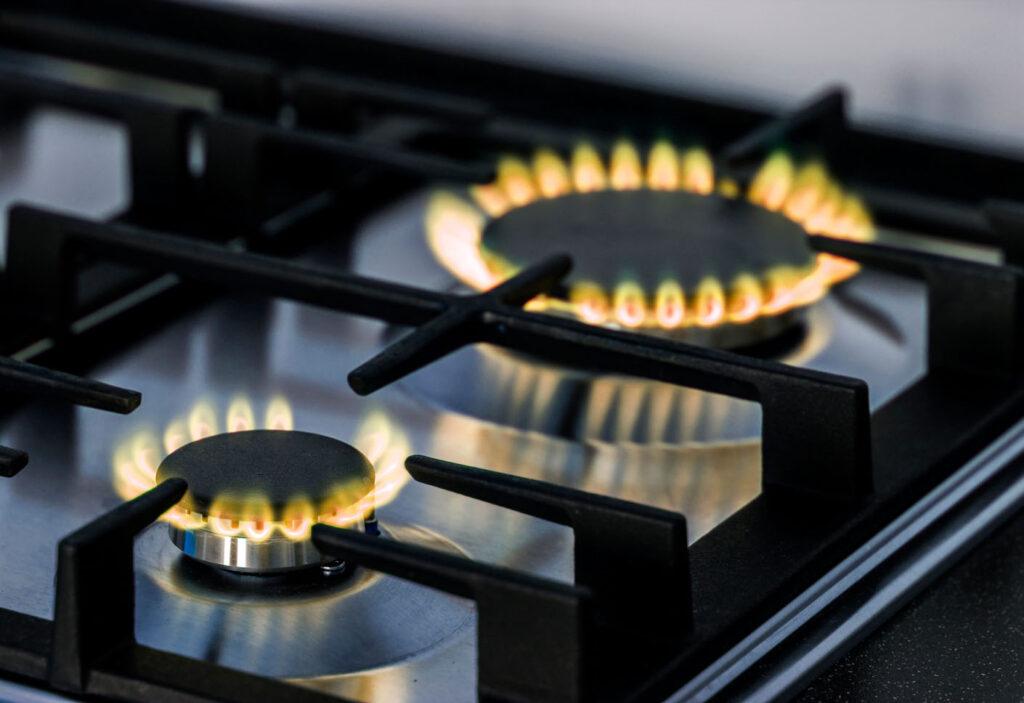
Gas stoves are one of the most common cooking appliances used in homes around the world. They are valued for their efficiency, instant heat control, and reliability. Normally, when a gas stove burner is functioning properly, the flame should burn blue. A blue flame indicates that the gas is burning efficiently and producing the right amount of heat.
However, many homeowners sometimes notice that their gas stove flame turns orange or yellow instead of blue. This change in flame color can be surprising and may indicate that something is not working correctly. While an orange flame is not always dangerous, it is usually a sign that the stove requires cleaning, adjustment, or professional maintenance.
Understanding the common reasons for an orange flame on gas stove burners can help you identify the issue early and fix it before it becomes a bigger problem. In this article, we will explore the possible causes of orange flames, the potential risks, and the steps you can take to solve the problem.
Understanding the Normal Flame Color on Gas Stoves
Before discussing the causes of orange flames, it is important to understand what a normal gas stove flame should look like.
A properly functioning gas stove produces a steady blue flame. This blue color indicates that the gas is burning completely and efficiently. When natural gas or propane mixes properly with oxygen during combustion, it produces a clean blue flame with minimal soot.
A blue flame also means:
-
Efficient fuel consumption
-
Proper air-to-gas mixture
-
Maximum heat output
-
Lower emissions of harmful gases
When the flame turns orange, yellow, or red, it usually means the combustion process is not working properly.
Common Reasons for Orange Flame on Gas Stove Burners
There are several possible reasons why your gas stove burner flame may appear orange instead of blue. Some of these causes are minor and easy to fix, while others may require professional inspection.
1. Dust and Debris in the Air
One of the most common reasons for an orange flame is dust or particles in the air. When dust enters the flame, it can burn along with the gas, causing the flame to change color.
This often happens after:
-
Cleaning the kitchen with powder-based cleaners
-
Renovation or construction work
-
Dust accumulation in the home
-
Using flour or other powders while cooking
When dust particles burn in the flame, they produce an orange or yellow glow.
Solution:
Allow the dust to settle and ensure proper ventilation in the kitchen. Once the air is clear, the flame should return to blue.
2. Dirty Burner Ports
Gas burners have small openings called burner ports where gas flows out and ignites. Over time, these ports can become clogged with grease, food particles, or dirt.
When burner ports are partially blocked,orange flame on gas stove cannot mix properly with oxygen. This incomplete combustion often results in an orange or yellow flame.
Signs of clogged burner ports include:
-
Uneven flames
-
Weak flame intensity
-
Orange or yellow flame color
Solution:
Cleaning the burner ports with a small brush or pin can help remove debris and restore proper gas flow.
3. High Humidity in the Air
Humidity can sometimes affect the combustion process in gas stoves. Moisture in the air may cause the flame to burn slightly orange or yellow.
This situation is more common during:
-
Rainy weather
-
Humid climates
-
When using humidifiers in the home
Although humidity-related flame color changes are usually temporary, they can still affect stove efficiency.
Solution:
Improving kitchen ventilation and reducing humidity can help restore the normal blue flame.
4. Salt or Minerals in the Air
Certain minerals, especially sodium, can cause flames to turn orange or yellow. If salt particles enter the flame, they can produce a bright orange glow.
This commonly happens when:
-
Cooking with salted water
-
Spilling salt near burners
-
Boiling pasta or salted dishes
Even small amounts of salt can affect the flame color.
Solution:
Cleaning the burner area and avoiding salt spills near the burner can help prevent this issue.
5. Improper Air-to-Gas Ratio
Gas stoves require the correct mixture of gas and oxygen to produce a clean blue flame. If the stove does not receive enough oxygen, the gas may burn incompletely.
Incomplete combustion often results in:
-
Orange or yellow flames
-
Soot buildup
-
Reduced heat efficiency
This issue may occur if the stove’s air shutter is improperly adjusted.
Solution:
A technician can adjust the air shutter to ensure the correct air-to-gas mixture.
6. Blocked Burner Caps
Burner caps sit on top of the burners and help distribute the flame evenly. If these caps become dirty or misaligned, they can disrupt the gas flow.
This can lead to:
-
Uneven flames
-
Orange or yellow flame color
-
Reduced heating performance
Solution:
Remove the burner caps and clean them thoroughly. Make sure they are positioned correctly when placing them back.
7. Gas Supply Issues
In some cases, the problem may come from the gas supply itself. Changes in gas pressure or impurities in the gas line can affect combustion.
Gas supply problems may cause:
-
Weak flames
-
Flickering flames
-
Orange or yellow flames
If you suspect a gas supply issue, it is best to contact your gas provider or a professional technician.
8. Improper Burner Installation
If the burner parts are not installed correctly after cleaning or maintenance, the flame may burn unevenly.
Incorrect placement can disrupt the flow of gas and air, leading to orange flames.
Solution:
Ensure all burner components are correctly aligned and securely placed.
9. Grease and Food Residue
Cooking regularly can cause grease, oil, and food particles to accumulate around the burners.
These residues can burn when the stove is in use, producing an orange or yellow flame.
Solution:
Regular cleaning of the stove surface and burners can prevent this issue.
10. Faulty Gas Regulator
The gas regulator controls the pressure of gas entering the stove. If the regulator is malfunctioning, it may affect the flame color and performance.
A faulty regulator may cause:
-
Irregular flame patterns
-
Orange or yellow flames
-
Difficulty controlling heat levels
Solution:
A professional technician should inspect and replace a faulty regulator if necessary.
Is an Orange Flame on a Gas Stove Dangerous?
An orange flame does not always indicate a serious problem, but it can sometimes signal incomplete combustion. Incomplete combustion can produce carbon monoxide, which is a harmful gas.
Potential risks include:
-
Reduced cooking efficiency
-
Soot buildup on cookware
-
Poor indoor air quality
If you notice a persistent orange flame, it is important to identify the cause and resolve the issue.
How to Fix an Orange Flame on a Gas Stove
Here are some steps homeowners can take to fix the problem:
-
Clean the burners regularly.
-
Remove and wash burner caps.
-
Clear blocked burner ports.
-
Ensure proper ventilation in the kitchen.
-
Check for dust or particles in the air.
-
Avoid spilling salt or food near burners.
If the problem continues, contacting a professional appliance repair technician is recommended.
Preventing Orange Flames in the Future
Preventive maintenance can help keep your gas stove working efficiently.
Regular Cleaning
Cleaning the burners and stovetop regularly prevents grease and debris buildup.
Proper Installation
Always ensure burner components are correctly placed after cleaning.
Kitchen Ventilation
Good ventilation helps maintain the proper air-to-gas mixture.
Routine Inspections
Occasional professional inspections can detect potential problems early.
When to Call a Professional Technician
While many causes of orange flames are minor, some situations require professional help.
You should contact a technician if:
-
The orange flame persists after cleaning
-
Flames appear large or unstable
-
You smell gas while using the stove
-
The stove produces soot on cookware
-
The flame color does not return to blue
Professional technicians can safely inspect the appliance and perform necessary repairs.
Conclusion
A gas stove should normally produce a clean blue flame, which indicates efficient and complete combustion. When the flame turns orange or yellow, it often means something is affecting the combustion process.
Common causes of orange flames include dust in the air, clogged burner ports, humidity, salt particles, improper air-to-gas ratios, and dirty burners. Fortunately, many of these issues can be resolved through simple cleaning and maintenance.
However, if the problem continues or you suspect a gas supply issue, it is important to seek professional assistance. Addressing the issue promptly ensures safe cooking, improved efficiency, and a longer lifespan for your gas stove.

 English
 Arabic
 French
 Spanish
 Portuguese
 Deutsch
 Turkish
 Dutch
Dutch
 Italiano
 Russian
 Romaian
 Greek
Greek