

Measuring Real vs Designed Building Performance
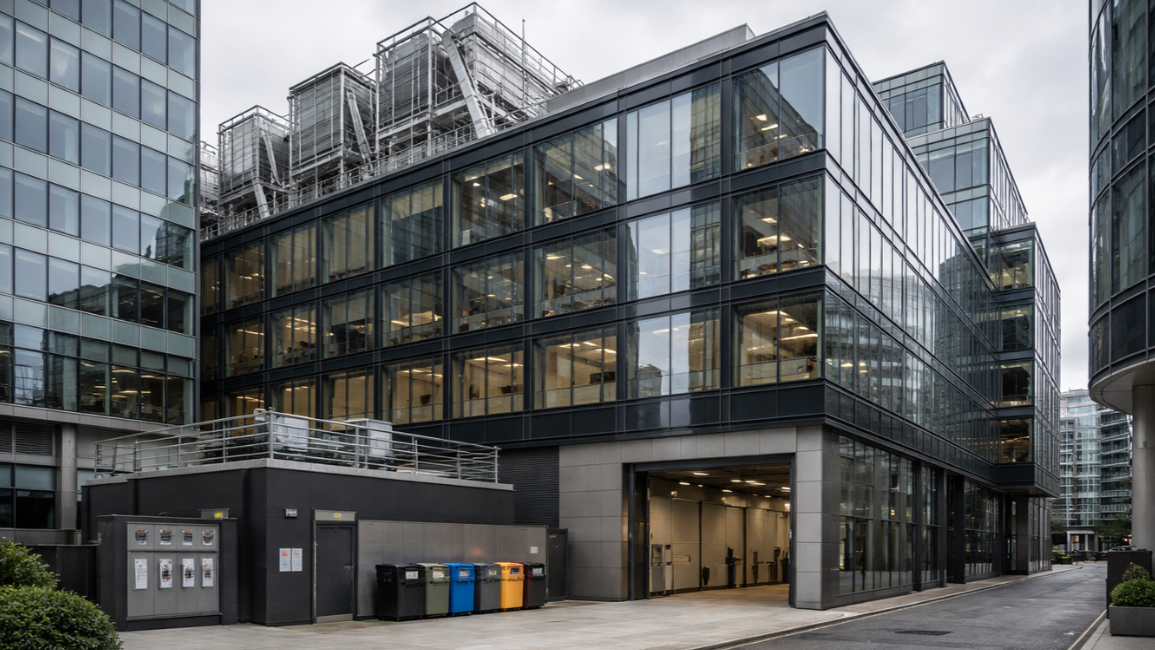
Commercial buildings are designed to perform efficiently. Energy models are calculated. Waste infrastructure is planned. Water systems are optimised. Carbon projections are estimated.
On paper, performance looks strong.
But what happens after the handover?
The reality in commercial real estate is this: Designed performance and operational performance are rarely the same.
For property teams, asset managers, landlords, and FM professionals, understanding the gap between real and designed building performance is critical. That gap determines cost exposure, operational inefficiency, occupier satisfaction, and long-term asset resilience.
If you are not measuring real performance, you are managing assumptions.
If you want visibility into how your building is actually performing day to day, explore how Wastify AI supports real-time operational data tracking.
What Is Designed Building Performance?
Designed building performance refers to projected outcomes based on:
- Architectural modelling
- Energy simulations
- Waste capacity planning
- HVAC optimisation modelling
- Sustainability design standards
- Equipment efficiency specifications
These projections typically estimate:
- Energy intensity (kWh/m²)
- Water consumption
- Waste diversion rates
- Carbon emissions
- Operational cost benchmarks
Designed performance is a forecast. It assumes ideal conditions.
Why the Gap Exists
The difference between real and designed building performance, often called the performance gap, is common in commercial real estate.
1. Operational Behaviour Variability
Buildings are dynamic environments. Occupiers use systems differently than designers assume.
2. Equipment Degradation
Over time, mechanical systems lose efficiency if not maintained precisely.
3. Manual Overrides
HVAC, lighting, and system settings are often adjusted away from optimal configurations.
4. Incomplete Data Monitoring
Without continuous measurement, inefficiencies go undetected.
5. Waste Infrastructure Misuse
Recycling systems may be designed correctly but operational contamination undermines results.
Design does not guarantee discipline. Operations determine outcome.
Why Measuring Real Performance Matters More Than Assumptions
If asset managers rely only on designed performance benchmarks, they risk:
- Underestimating operational cost
- Misjudging asset competitiveness
- Overreporting sustainability claims
- Missing inefficiency trends
- Delaying corrective action
Real measurement transforms management from reactive to proactive.
Without operational evidence, improvement strategies lack direction.
Energy: A Clear Example of the Performance Gap
Energy modelling often assumes:
- Optimal occupancy patterns
- Efficient equipment cycles
- Ideal temperature control
- Minimal override behaviour
In reality, buildings experience:
- Extended operational hours
- Heating and cooling conflicts
- Equipment running during low occupancy
- Manual thermostat adjustments
- Poorly scheduled maintenance
Energy performance must be measured continuously to identify divergence from design expectations.
Without real-time insight, inefficiency becomes normalised.
Waste Performance: Designed vs Operational Reality
Waste systems are typically designed with:
- Allocated recycling streams
- Projected waste volumes
- Scheduled collection cycles
- Target diversion rates
However, operational realities often include:
- Contamination between waste streams
- Over-collection due to lack of accurate measurement
- Under-utilised recycling infrastructure
- Inconsistent occupier engagement
Digital waste tracking reveals:
- Actual bag-level weights
- Occupier-specific patterns
- Collection inefficiencies
- Cross-asset performance comparison
Designed waste strategy is theoretical. Measured waste data is actionable.
Understand how digital waste tracking and operational dashboards help close the performance gap across commercial portfolios.
Water Usage: Silent Performance Loss
Water modelling assumes consistent system integrity. In operation, issues may include:
- Minor leaks undetected
- Over-irrigation
- Malfunctioning valves
- Inconsistent tenant usage patterns
Small inefficiencies compound over time.
Without measured data, water performance gaps remain hidden until cost or infrastructure failure exposes them.
Operational measurement prevents silent resource loss.
How to Measure Real Building Performance Effectively
Accurate measurement requires structured monitoring across key areas:
1. Continuous Data Collection
Manual quarterly reviews are insufficient. Data must be collected regularly and centrally.
2. Asset-Level Granularity
Portfolio averages hide individual underperformance. Each building must be assessed independently.
3. Standardised Metrics
Waste weights, energy intensity, water usage, and operational costs must be tracked using consistent methodologies.
4. Occupier-Level Visibility
Where possible, performance should link to tenant activity for fair accountability.
5. Trend Analysis
Single data points are less useful than performance trends over time.
Measuring performance transforms assumptions into evidence.
Portfolio-Level Implications
In multi-asset portfolios, the performance gap multiplies.
Without consistent measurement:
- Underperforming assets go unnoticed
- Capital allocation becomes misaligned
- ESG improvements may be overstated
- Investor reporting lacks operational grounding
When performance is measured properly, asset managers can:
- Benchmark buildings
- Prioritise intervention
- Optimise operational budgets
- Improve asset valuation resilience
Designed performance supports development. Real performance protects portfolio strength.
The Role of Technology in Closing the Gap
Technology plays a central role in aligning designed and operational outcomes.
Key capabilities include:
- Real-time data dashboards
- Automated waste tracking
- Resource monitoring systems
- Cross-building analytics
- Alert systems for anomalies
Without digital systems, performance gaps persist because visibility is delayed.
Operational technology reduces that delay.
Moving From Design Confidence to Operational Discipline
Design documents often create confidence that sustainability goals are built into the asset. However, discipline must be sustained through operation.
Operational discipline includes:
- Regular data review
- Scheduled maintenance verification
- Occupier engagement based on evidence
- Continuous adjustment of systems
Performance is not static. It requires active management.
Designed performance is a starting point. Operational performance determines success.
Conclusion
Commercial buildings are designed to perform efficiently. But design projections are not guaranteed.
Real building performance must be measured, monitored, and managed continuously.
Asset resilience, operational cost control, and long-term sustainability depend on closing the gap between expectation and evidence.
If you are not measuring performance in real time, you are managing based on assumptions.
In commercial real estate, assumptions carry risk. Measured performance builds strength.
Learn how Wastify AI helps property teams measure real building performance and turn operational data into measurable improvements.
FAQs!
What is the performance gap in commercial buildings?
It is the difference between projected (designed) building performance and actual operational results.
Why does designed performance rarely match real performance?
Because operational behaviour, maintenance practices, and occupier usage vary from modelling assumptions.
How can property teams reduce the performance gap?
By implementing continuous operational data tracking and regular performance review processes.
Is the performance gap common in new buildings?
Yes. Even newly developed assets can underperform due to operational variability.
What role does waste data play in performance measurement?
Accurate waste tracking provides measurable insight into operational efficiency and resource management.
 Italiano
 English
 Arabic
 French
 Spanish
 Portuguese
 Deutsch
 Turkish
 Dutch
Dutch
 Russian
 Romaian
 Portuguese (Brazil)
 Greek
Greek