

Diamond Rings for Women: Selection, Quality, and Care
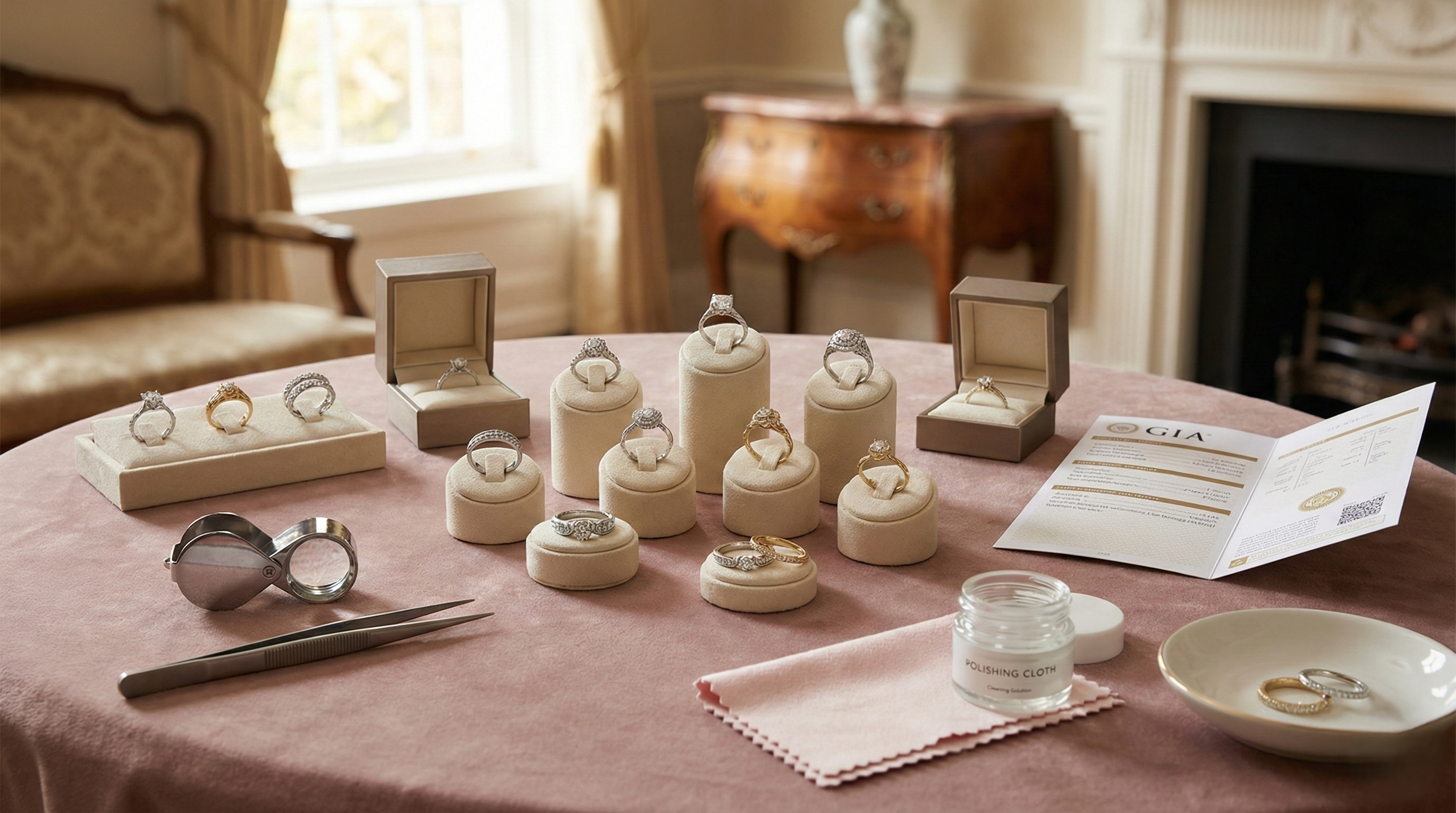
Diamond rings for women have remained one of the most cherished symbols of elegance, love, and personal style. Across cultures and generations, these rings are sought not only for engagement and wedding purposes but also as statement pieces, heirlooms, or fashion accessories. Choosing the right diamond ring involves careful consideration of factors such as diamond quality, ring setting, metal type, and long-term durability. This article explores everything consumers need to know about diamond rings for women, including how they are evaluated, common issues, maintenance, and informed selection practices.
Concept Explanation
What Are Diamond Rings for Women?
Diamond rings designed for women are jewelry pieces featuring diamonds as the central gemstone, often complemented by accent stones or elaborate metalwork. They are valued for their aesthetic appeal, symbolic meaning, and craftsmanship. These rings can range from classic solitaire designs to modern halo or vintage-inspired styles.
How Diamonds Are Evaluated
Diamonds are graded using the 4Cs:
-
Cut: Determines the diamond’s sparkle and brilliance. Excellent cuts maximize light reflection.
-
Clarity: Measures the presence of inclusions or blemishes. Higher clarity indicates fewer imperfections.
-
Color: Colorless diamonds are generally more valuable, though slight tints can affect pricing subtly.
-
Carat: Represents the weight of the diamond; larger carat diamonds are rarer but must be balanced with cut quality.
Common Misunderstandings
Many buyers equate size with value, overlooking that a well-cut smaller diamond can appear more brilliant than a larger poorly cut one. Additionally, not all diamonds are ethically sourced, making certifications and origin verification essential.
Common Problems and Issues
Even high-quality diamond rings can present challenges if not selected or maintained properly:
-
Misjudging diamond brilliance due to improper cut assessment
-
Ring settings that are not durable enough for daily wear
-
Difficulty distinguishing certified diamonds from uncertified or synthetic stones
-
Potential ethical concerns regarding sourcing
-
Loss of sparkle or gemstone damage due to improper care
In-Depth Breakdown of Challenges
Diamond Quality Misjudgments
Causes:
-
Overemphasis on carat weight
-
Limited understanding of cut, clarity, and color
Consequences:
-
Visual disappointment despite size
-
Lower resale or appraisal value
Ring Setting and Durability
The ring’s metal and prong design impact its longevity. Delicate or thin bands are prone to bending or loosening over time.
Causes:
-
Lightweight metal bands for aesthetic purposes
-
Insufficient prong reinforcement
Consequences:
-
Risk of gemstone loss or damage
-
Costly repairs or replacements
Ethical and Sourcing Considerations
Not all diamonds are conflict-free, and environmental concerns are significant. Certification by recognized authorities ensures responsible sourcing.
Causes:
-
Unverified supply chains
-
Lack of consumer knowledge
Consequences:
-
Ethical dilemmas
-
Reduced consumer confidence in purchases
Maintenance Challenges
Diamond rings, while durable, can accumulate oils, dirt, or chemicals that reduce brilliance.
Causes:
-
Infrequent cleaning
-
Exposure to household chemicals or abrasive materials
Consequences:
-
Diminished sparkle
-
Potential long-term damage to the ring setting
Why These Problems Occur
Consumer Knowledge Gaps
Many buyers focus on superficial characteristics such as carat size or visual appeal without understanding diamond grading standards. Marketing emphasis on size can overshadow cut quality and ethical considerations.
Material and Design Vulnerabilities
Intricate designs or delicate metal bands are aesthetically pleasing but less robust for daily wear, leading to structural issues over time.
Complex Supply Chains
Global diamond sourcing introduces variability in ethical, environmental, and quality standards, which can create inconsistencies in consumer experiences.
Preventive Measures and Best Practices
-
Prioritize diamonds with certifications from recognized authorities like GIA or AGS
-
Consider a balance of the 4Cs rather than focusing solely on size
-
Select durable ring settings and metals suitable for everyday wear
-
Schedule periodic professional cleaning and inspections
-
Verify ethical sourcing to ensure responsible purchasing
When Professional Help Is Needed
-
Chipped or loose diamonds
-
Bent or damaged prongs or band structures
-
Lost accent stones or setting failures
-
Dullness that persists despite cleaning
Professional assessment ensures that the diamond and setting remain secure, preventing costly or irreversible damage.
Long-Term Impact If Ignored
Ignoring proper selection, care, and maintenance can result in:
-
Diminished sparkle and aesthetic value
-
Increased risk of gemstone loss or setting damage
-
Ethical concerns affecting resale or gifting value
-
Higher costs over time for repairs or replacements
Conclusion
Diamond rings for women are more than decorative pieces, they are investments in quality, symbolism, and personal expression. Understanding diamond grading, selecting durable and ethically sourced rings, and adhering to regular maintenance can enhance their longevity and beauty. Experts like Noble Jewelers Aruba provide valuable insights into quality selection and responsible purchasing for diamond enthusiasts worldwide.
Frequently Asked Questions (FAQs)
How do I choose the best diamond ring for women?
Consider the 4Cs, cut, clarity, color, and carat, while ensuring the ring setting is durable and ethically sourced.
Are larger diamonds always better?
Not necessarily. Brilliance, cut, and proportion often have a greater visual impact than sheer size.
How should I care for a diamond ring?
Regular professional cleaning, careful handling, and avoiding harsh chemicals help preserve the diamond’s brilliance and longevity.
What certifications guarantee diamond quality?
Look for GIA, AGS, or Kimberley Process certifications, which confirm both quality and ethical sourcing.
Can diamond rings for women get damaged easily?
While diamonds are very hard, they can chip or scratch under impact, and delicate settings may become loose over time.
Here, you can find more articles.
 Romaian
 English
 Arabic
 French
 Spanish
 Portuguese
 Deutsch
 Turkish
 Dutch
Dutch
 Italiano
 Russian
 Portuguese (Brazil)
 Greek
Greek