

Can Advanced Vehicle Inspection Technology Strengthen Facility Security?
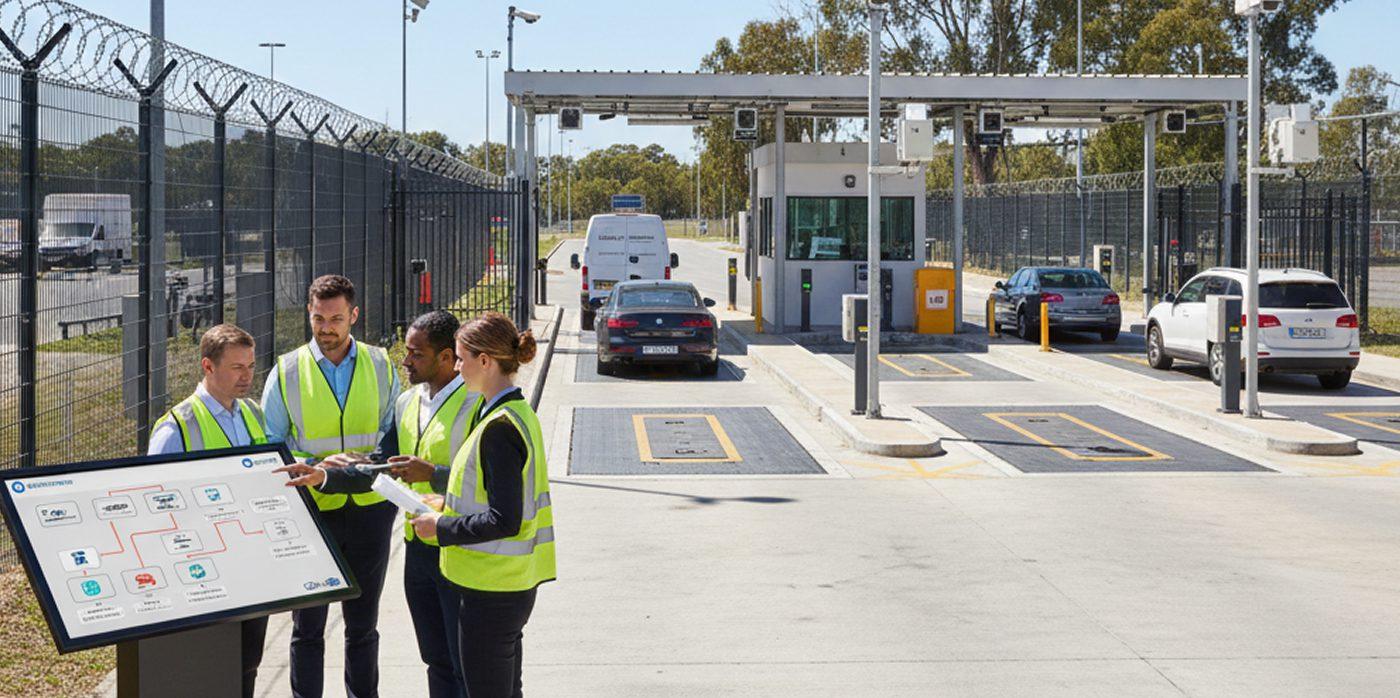
Facility security has become increasingly complex as organizations face evolving threats, higher traffic volumes, and growing demands for operational efficiency. Whether managing a government building, airport, military installation, logistics hub, industrial complex, or critical infrastructure site, security teams must ensure that every vehicle entering the premises is properly screened without creating unnecessary delays.
For many facilities, vehicle access points represent one of the most vulnerable areas within the security perimeter. A single oversight during an inspection can allow unauthorized items, suspicious modifications, or potential threats to enter protected zones. At the same time, lengthy manual inspections can slow operations, create congestion, and place additional pressure on security personnel.
As a result, organizations are increasingly investing in advanced vehicle inspection technology to improve visibility, enhance threat detection, and strengthen access control. By integrating License Plate Recognition (LPR) systems with intelligent under vehicle inspection solutions, facilities can create a more reliable and efficient security process.
The Growing Security Challenges at Vehicle Entry Points
Every day, facilities process a wide range of vehicles, including:
- Employee vehicles
- Contractor vehicles
- Visitor transportation
- Delivery trucks
- Service vehicles
- Fleet vehicles
While maintaining smooth traffic flow is important, organizations must also prevent potential threats from entering secure areas.
Security teams are tasked with identifying:
- Unauthorized vehicles
- Suspicious packages
- Vehicle modifications
- Contraband
- Signs of tampering
- Potential vehicle-borne threats
As vehicle traffic continues to increase, performing these inspections manually becomes more difficult and less effective.
Why Traditional Inspection Methods Are Becoming Outdated
Many organizations still rely on conventional inspection procedures such as:
- Visual inspections
- Manual identity verification
- Handwritten logs
- Security guard observations
- Mirror-based undercarriage checks
Although these methods have been used for years, they often struggle to meet the requirements of modern security environments.
Human Error
Manual inspections depend heavily on the experience and concentration of individual personnel.
Inconsistent Results
Different operators may perform inspections differently, leading to variations in inspection quality.
Limited Visibility
Critical vehicle areas can be difficult to inspect thoroughly.
Operational Delays
Manual inspections often increase wait times and create traffic congestion.
These limitations can leave facilities exposed to security risks while reducing operational efficiency.
Why Vehicle Undercarriages Present Significant Security Concerns
One of the most challenging areas to inspect manually is the underside of a vehicle.
This area can potentially conceal:
- Hidden packages
- Unauthorized attachments
- Contraband
- Concealed devices
- Structural modifications
- Evidence of tampering
Traditional inspection mirrors offer only limited visibility and require security personnel to spend additional time examining each vehicle.
In busy environments, rushed inspections may result in important details being overlooked.
This challenge has led organizations to seek more advanced and reliable inspection solutions.
The Need for Automated Security Technologies
Modern facilities require technologies capable of providing:
- Greater visibility
- Faster inspections
- Consistent screening standards
- Improved threat detection
- Digital recordkeeping
- Better operational efficiency
Automated vehicle inspection systems address these needs by reducing dependence on manual procedures and providing more accurate inspection data.
How Under Vehicle Inspection Enhances Security
Advanced under vehicle inspection systems use specialized imaging technology to automatically capture detailed images of vehicle undercarriages.
As vehicles pass through inspection zones, high-resolution images are generated and displayed for security personnel.
This process provides several key benefits.
Improved Visibility
Security teams gain access to clear images of areas that are difficult to inspect manually.
Faster Screening
Vehicles can be inspected without lengthy stops.
Consistent Inspection Standards
Every vehicle receives the same level of scrutiny.
Better Threat Detection
Suspicious objects and abnormalities are easier to identify.
Digital Documentation
Inspection records can be stored for future investigations and audits.
These capabilities help organizations improve both security and efficiency.
Why Vehicle Identification Is Equally Important
A comprehensive security strategy requires more than physical inspections. Facilities must also identify vehicles quickly and accurately.
License Plate Recognition technology automates vehicle identification by capturing registration information as vehicles approach checkpoints.
Benefits include:
Automated Vehicle Recognition
Vehicle details are collected instantly.
Faster Access Decisions
Authorized vehicles can be verified quickly.
Improved Vehicle Tracking
Facilities maintain searchable digital records.
Enhanced Security Oversight
Vehicle information can be compared against approved access lists and watchlists.
LPR technology helps security personnel make faster and more informed decisions.
Why Integration Creates a Stronger Security Framework
The most effective vehicle security solutions combine multiple technologies into a single platform.
When LPR systems and under vehicle inspection technologies are integrated, facilities gain a comprehensive view of vehicle activity.
Integrated systems allow organizations to:
- Identify vehicles automatically
- Capture undercarriage images simultaneously
- Link vehicle identities with inspection records
- Compare current inspections with historical data
- Generate automated alerts
- Improve situational awareness
This integration supports faster threat identification and more efficient checkpoint operations.
Addressing Modern Security Risks With Intelligent Screening
Facilities today require solutions that can keep pace with evolving threats and growing operational demands.
An advanced uvss solution enables automated undercarriage imaging that helps security personnel identify concealed objects, suspicious modifications, and potential threats that may be missed during manual inspections. When integrated with LPR technology and intelligent under vehicle inspection systems, organizations gain a comprehensive vehicle screening platform that improves access control, enhances threat detection, and strengthens facility security while maintaining efficient vehicle flow.
This approach delivers both operational and security advantages that traditional inspection methods cannot match.
Benefits of Advanced Vehicle Inspection Technology
Organizations that adopt intelligent inspection technologies often experience measurable improvements across multiple areas.
Stronger Threat Detection
Enhanced imaging improves visibility and security awareness.
Faster Checkpoint Operations
Automated screening reduces vehicle processing times.
Improved Consistency
Every vehicle receives standardized inspections.
Better Compliance Support
Digital records simplify reporting and investigations.
Increased Productivity
Security personnel can focus on evaluating risks rather than performing repetitive inspection tasks.
These benefits help organizations strengthen their overall security posture.
Commport Technologies: Delivering Advanced Security Solutions
Commport Technologies is a trusted supplier of advanced LPR systems and intelligent vehicle inspection technologies designed for modern security environments.
By integrating license plate recognition with advanced under vehicle inspection solutions, Commport Technologies helps organizations improve perimeter protection, enhance vehicle screening accuracy, and streamline access control operations.
Its technologies are widely used across sectors such as:
- Government facilities
- Airports
- Military installations
- Industrial sites
- Logistics centers
- Ports and border crossings
- Critical infrastructure facilities
Through intelligent technology integration, organizations can improve both security effectiveness and operational efficiency.
Conclusion
As vehicle-related security challenges continue to evolve, traditional inspection methods often struggle to provide the visibility, speed, and consistency required for effective facility protection. Manual inspections can create security gaps, operational delays, and unnecessary risks.
By integrating LPR systems with advanced under vehicle inspection technologies, organizations can significantly improve threat detection, streamline checkpoint operations, and strengthen access control. Intelligent vehicle screening solutions provide the visibility and automation needed to support modern security strategies and protect critical facilities more effectively.
For organizations seeking stronger perimeter security and more accurate vehicle inspections, advanced vehicle inspection technology has become an essential investment.
 Turkish
 English
 Arabic
 French
 Spanish
 Portuguese
 Deutsch
 Dutch
Dutch
 Italiano
 Russian
 Romaian
 Portuguese (Brazil)
 Greek
Greek