

Permanent Jewelry: The Trend That’s Redefining Everyday Luxury
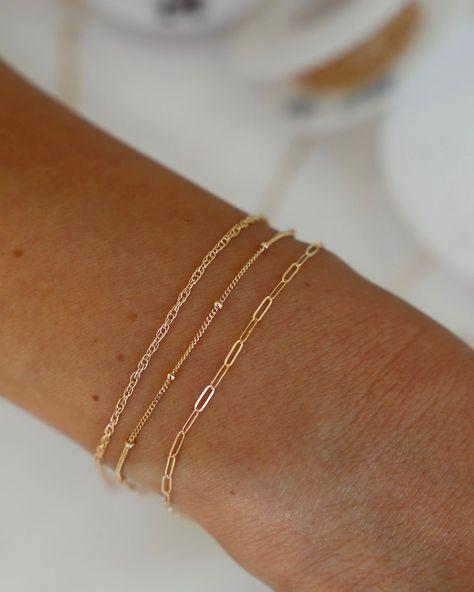
A slim, gleaming chain welded around your wrist or ankle, no clasp, no fuss, no taking it off. That’s permanent jewelry in a nutshell: delicate, wearable, and intentionally enduring. What started as a niche offering at fashion-forward boutiques and pop-up events has become a mainstream moment in the world of accessories.
It’s part ritual, part style statement, and part lifestyle choice, and it’s quietly changing how people think about everyday luxury.
What “permanent” actually means
“Permanent jewelry” typically refers to a simple chain, often 14k gold, gold-filled, or vermeil, that is custom-sized and then soldered or welded closed so there’s no clasp. The result is a seamless loop that stays on the body until it’s removed by cutting or a professional jeweler. Some brands also offer permanently-attached charms or minimal cuffs welded to a bracelet.
Importantly, “permanent” here is practical rather than eternal. The pieces are meant to be worn daily — in the shower, at the gym, while traveling — and are designed to withstand life’s routines. But they’re not fused to your skin and can be removed safely if you choose. That balance — an accessory that feels intentionally committed without being irreversible — is a big part of its appeal.
Why it feels luxurious
Luxury traditionally signals rarity, craftsmanship, and a sense of occasion. Permanent jewelry borrows from all three but translates them into everyday life.
Ritual and personalization. Having a bracelet or anklet sized and welded creates a moment: you sit with a jeweler, watch the finishing touch, and walk away wearing something made for you. That ceremony mimics luxury experiences — it’s intimate and memorable.
Effortless elegance. Because there’s no clasp, permanent pieces sit smoothly on the skin and layer easily with other jewelry. They maintain a tidy, polished look 24/7. That constant subtlety reads as an elevated aesthetic — quiet, considered, and refined.
Quality over flash. Many permanent pieces use real gold or higher-quality metals so they can endure. Choosing good materials makes the jewelry feel like an investment rather than a trend-driven impulse buy.
The social side: friendship, vows, and milestones
Permanent jewelry has social dimensions that amplify its cultural impact. Friends get matching welded bracelets as a token of connection. Couples exchange permanent anklets as a playful, modern “promise.” People mark milestones — graduations, moving cities, sobriety anniversaries — with something they’ll see every day.
These rituals turn a piece of metal into a symbol. That emotional weight is part of what makes the trend feel meaningful rather than gimmicky.
Styling: how to wear permanent pieces
Jewelry is versatile:
Solo statement: A single delicate chain on the wrist can read refined and minimalist.
Layering: Permanent bracelets are ideal base layers. Add a beaded bracelet, a leather strap, or a watch to create contrast.
Mixed metals: Wearing different metal tones together feels contemporary; permanent gold paired with sterling or rose gold creates dimension.
Anklet styling: Permanent anklets work with both sneakers and sandals — a subtle way to dress up everyday outfits.
Stacking rings: Some jewelers offer permanently welded ring sets, but wrists and ankles are the most common (and practical) spots.
Practical pros and cons
Pros
Low maintenance: No fiddly clasps; less worry about losing a piece.
Daily luxury: The jewelry becomes part of your style baseline.
Symbolic value: Great for commemorating relationships and milestones.
Durable finish: Quality metals last longer with continuous wear.
Cons
Removal requires tools or a jeweler: It’s not something you can take off quickly at home without cutting.
Potential for allergic reaction: As with any jewelry, metal sensitivities matter; choose hypoallergenic materials if you’re prone to reactions.
Risk in certain environments: High-impact activities or jobs where jewelry is a safety hazard may make permanent pieces impractical.
Cost: Because of the bespoke sizing and the use of quality metals plus on-site labor, permanent jewelry often costs more than a similar clasped chain.
Safety, care, and removal
Safety is straightforward but important. If you work with machinery, wear gloves, or play contact sports, a welded chain could snag and cause injury, so think about your lifestyle before committing. Also, while many shops use small, precise welds or solder, always choose a reputable jeweler who follows hygiene and safety protocols.
Care is simple: treat permanent pieces like your other fine jewelry. Avoid harsh chemicals (chlorine can damage some finishes), and periodically have a jeweler check the links and welds. If you want the piece removed, a jeweler or the original shop can cut it off and, if desired, re-close and reshape it into something new.
Sustainability and the slow-fashion angle
Jewelry dovetails with slow-fashion values. Instead of rapidly swapping trendy pieces, wearers keep one or two meaningful items for years. When pieces use recycled gold or higher-quality materials, the environmental footprint per wear can be low compared to fast-fashion alternatives. The emotional investment people have in welded pieces also reduces impulse purchases, encouraging more intentional consumption.
Who is it for?
Permanent isn’t for everyone, but it appeals to several groups:
People who want a low-maintenance, polished look.
Those who enjoy ritualized purchases and symbolic tokens.
Fans of minimalist layering who appreciate seamless design.
Gift-givers seeking something personal and lasting.
If you prioritize flexibility — removing jewelry daily to switch looks — permanent pieces may feel restrictive. But many wearers consider that limitation a feature: the piece becomes part of them, not just an accessory.
Where the trend might go next
Expect evolution in materials, personalization, and services. We’ll likely see more options in ethical metals, bespoke charms welded into place, and hybrid pieces with subtle clasps that still give the “always-on” feel. Pop-up studios and mobile sizing parties will continue to push accessibility, and established jewelers will integrate welded services into core offerings.
Final thought
Permanent jewelry reimagines luxury as something lived-in rather than put-on. It’s not about ostentation but about refinement that survives everyday life: a ritualized purchase turned into a daily habit.
For those who value meaning, ease, and a polished baseline aesthetic, welded chains offer a tidy, tangible way to make the ordinary feel a little more considered — and, yes, a little more luxurious.
Whether you see it as a fashion-forward statement or a sentimental keepsake, one thing is clear: jewelry is less about permanence in the absolute sense and more about creating a lasting small luxury that travels with you — quietly, constantly, and stylishly.

 English
 Arabic
 French
 Spanish
 Portuguese
 Deutsch
 Turkish
 Dutch
Dutch
 Italiano
 Russian
 Romaian
 Greek
Greek