

Why Material Selection Matters in Brake Cable Production
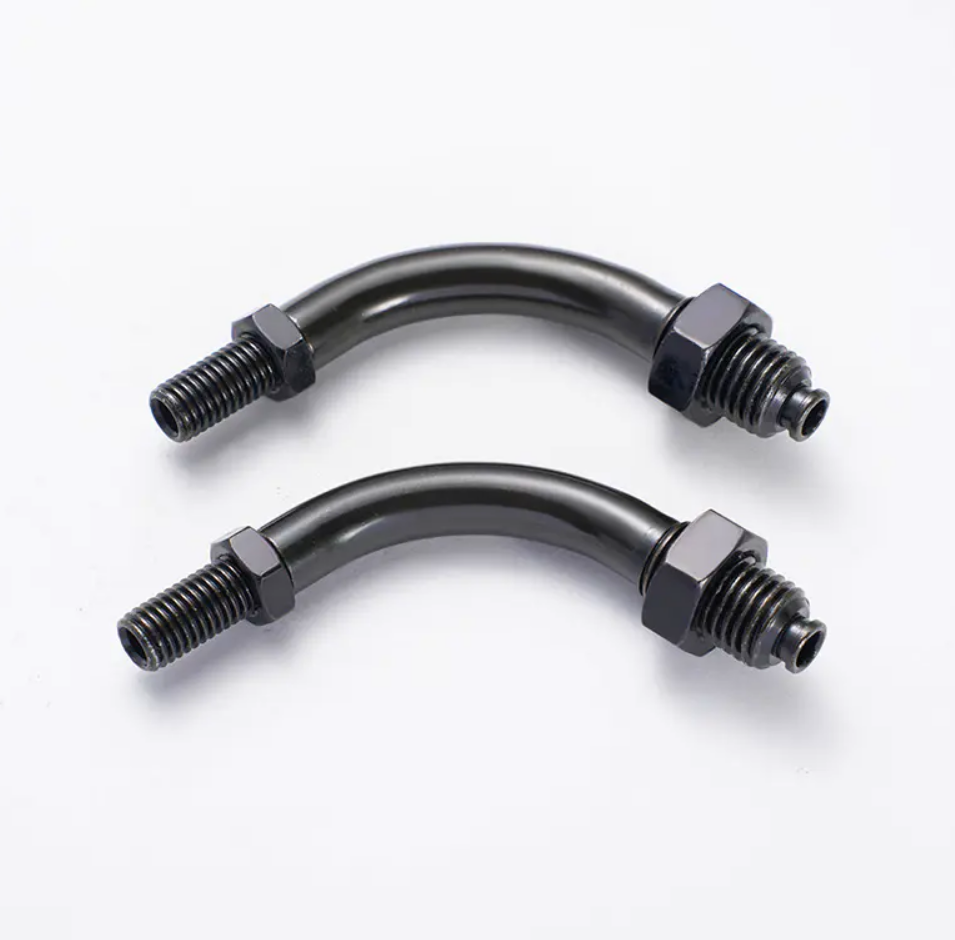
Material selection strongly affects the performance and lifespan of brake cable systems. From bicycles and motorcycles to industrial machinery and utility vehicles, modern Brake Cable Parts are expected to withstand repeated mechanical stress while maintaining smooth and predictable operation. Engineers and manufacturers therefore place significant attention on cable structure, corrosion resistance, friction control, and flexibility during product development.
The core of most brake systems is the inner wire cable. This component transfers pulling force generated at the lever or pedal directly to the braking mechanism. High-tensile steel remains one of the widely used materials because it combines durability with flexibility. Industry studies explain that braided steel strand construction improves fatigue resistance while maintaining stable mechanical strength under repeated loading cycles.
Galvanized steel cables are commonly used in cost-sensitive applications because they provide moderate corrosion resistance at lower production cost. Stainless steel cables, however, are increasingly preferred in outdoor and high-humidity environments. Stainless steel 304 and 316 grades offer improved resistance to rust, oxidation, and environmental contamination. This makes them suitable for motorcycles, bicycles, marine equipment, and agricultural machinery operating under variable weather conditions.
Coated cables have also become popular in recent years. PTFE-coated or polymer-coated cables help reduce sliding friction inside the housing. Reduced friction contributes to smoother brake actuation and lighter lever feel. Some advanced cable systems use low-friction liners combined with coated steel strands to improve long-term consistency.
The outer housing material is equally important. Brake housing usually contains a steel reinforcement structure surrounded by PVC, nylon, or similar protective polymers. Compression resistance is critical because housing deformation can reduce braking efficiency. Coiled housing structures are widely used because they allow flexibility while maintaining mechanical support.
Heat and vibration are additional concerns in heavy-duty applications. Frequent braking cycles generate repeated tension loads that can gradually weaken inferior cable materials. High-quality cables are often subjected to tensile strength testing, fatigue simulation, and corrosion exposure evaluation during manufacturing. Some industrial brake cables are designed for operating temperatures ranging from -30°C to 120°C depending on the material combination and application environment.
End fittings and adjusters must also match the selected cable material. Precision-machined aluminum or steel fittings help maintain dimensional stability during operation. Poorly matched fittings may increase cable friction or create uneven wear patterns. Technical references frequently identify adjusters, ferrules, and end caps as important supporting components in maintaining stable cable alignment.
Modern users increasingly expect longer service intervals and smoother braking feel. As a result, many manufacturers are exploring hybrid constructions combining stainless steel strands with engineered polymer liners. These systems can reduce maintenance frequency while improving operational consistency in demanding conditions.
A professional Brake Cable Parts Company typically focuses on balancing strength, flexibility, corrosion resistance, and manufacturing precision. Material selection directly influences product lifespan, installation efficiency, and overall braking stability.
Even as hydraulic systems continue expanding in certain markets, mechanical cable-operated braking systems remain highly relevant. Their straightforward structure, accessible maintenance procedures, and adaptable configurations continue supporting applications across transportation, industrial equipment, and recreational vehicles worldwide.
 English
 Arabic
 French
 Spanish
 Portuguese
 Deutsch
 Turkish
 Dutch
Dutch
 Italiano
 Russian
 Romaian
 Portuguese (Brazil)
 Greek
Greek