A journey into the Everest region reveals a dramatic white pyramid rising above the valleys. This peak is known as Imja Tse, also called Island Peak, standing proudly in the Khumbu Himalayas. The climb attracts trekkers from around the world who seek a real Himalayan challenge. With support from Nepal Social Treks, the route becomes more organized and safer, but the mountain itself still demands strong effort, focus, and determination from every climber.
A Mountain That Looks Simple but Demands Respect
Island Peak often appears like a manageable trekking peak from a distance. The smooth shape can create a false sense of ease. In reality, the route includes steep slopes, loose rocks, and icy walls that require full attention. The climb is not a simple walk but a combination of trekking and technical mountaineering.
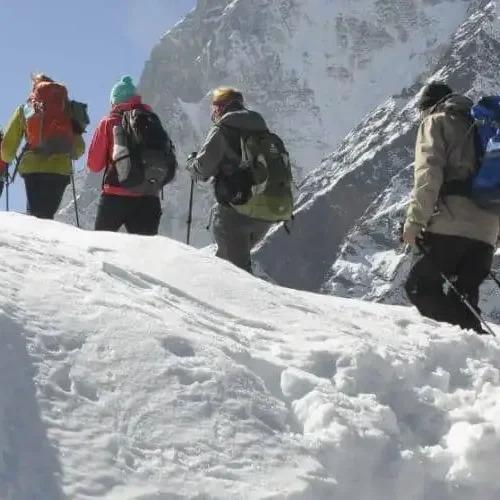
The final section becomes especially demanding. Fixed ropes, ice axes, and crampons are necessary to move across steep ice. Every step must be placed carefully, as the surface can be slippery and unpredictable. Even experienced trekkers often find this section far more difficult than expected.
The Impact of Extreme Altitude
One of the greatest challenges comes from the height of the mountain. Island Peak rises to 6,189 meters above sea level. At this elevation, oxygen levels drop significantly, making physical movement slower and more exhausting.
Altitude affects every part of the body. Headaches, fatigue, and dizziness are common symptoms when acclimatization is insufficient. Even simple walking becomes harder, as the lungs work under pressure. The thin air demands patience and controlled movement throughout the climb.
Harsh and Unpredictable Weather Conditions
Weather conditions in the Himalayas can change quickly and without warning. Clear skies may turn into strong winds or snowfall within a short time. Such sudden changes increase difficulty and can delay progress on the route.
Temperatures drop far below freezing at higher camps. Cold winds reduce body warmth, while icy conditions make surfaces more dangerous. Proper gear and timing become essential for safety and steady movement toward the summit.
Technical Climbing Requirements
Island Peak is not only a trekking destination but also a technical climb. Glacier crossings introduce hidden crevasses that require careful navigation. In many sections, aluminum ladders are placed to cross deep ice gaps safely.
Fixed rope climbing is required on steep ice walls near the summit. This section demands basic mountaineering skills and familiarity with equipment such as harnesses, helmets, and crampons. Without proper technique, progress becomes slow and risky.
Physical and Mental Endurance
The climb tests both physical strength and mental resilience. Long walking hours, heavy equipment, and cold temperatures create continuous pressure on the body. Fatigue builds gradually as altitude increases.
The summit push often begins during midnight hours. Darkness, freezing wind, and reduced oxygen levels make this final stage extremely demanding. Mental strength becomes just as important as physical ability, as slow and steady movement is required for several hours before reaching the top.
Acclimatization and Preparation
Proper acclimatization plays a vital role in a safe ascent. Rest days are included in the itinerary to allow the body to adjust to high altitude conditions. Gradual ascent helps reduce the risk of altitude sickness.
Treks often include stops in key locations such as Chhukung and Dingboche. These areas provide time for recovery and short hikes to higher elevations, which prepare the body for the summit attempt. Without proper acclimatization, the climb becomes significantly more difficult.
Key Facts About Island Peak Climbing
The Island Peak expedition typically lasts around 12 to 15 days, depending on the chosen itinerary and weather conditions. The total trekking distance usually covers approximately 80 to 100 kilometers, including the approach through the Everest region. The maximum elevation reached is 6,189 meters, making it one of the most popular trekking peaks in Nepal.
The Role of Professional Support
Guided support plays an important role in managing the challenges of Island Peak. Services provided by Nepal Social Treks include experienced climbing guides, permit arrangements, equipment support, accommodation planning, and full logistical assistance. Safety guidance, route planning, and acclimatization schedules are carefully managed to improve the overall climbing experience. Local expertise ensures better preparation for the technical and environmental challenges of the mountain.
Final Thoughts on the Challenge
Island Peak remains one of the most rewarding yet demanding climbing experiences in Nepal. The combination of high altitude, technical sections, harsh weather, and physical endurance creates a true Himalayan challenge. Proper preparation, patience, and professional guidance from Nepal Social Treks help transform this difficult climb into a memorable and achievable adventure in the heart of the Everest region.


 English
 Arabic
 French
 Spanish
 Portuguese
 Deutsch
 Turkish
 Dutch
Dutch
 Italiano
 Russian
 Romaian
 Portuguese (Brazil)
 Greek
Greek