

Future of Urban Living: Residential Solar Installation for Apartments & Townhouses
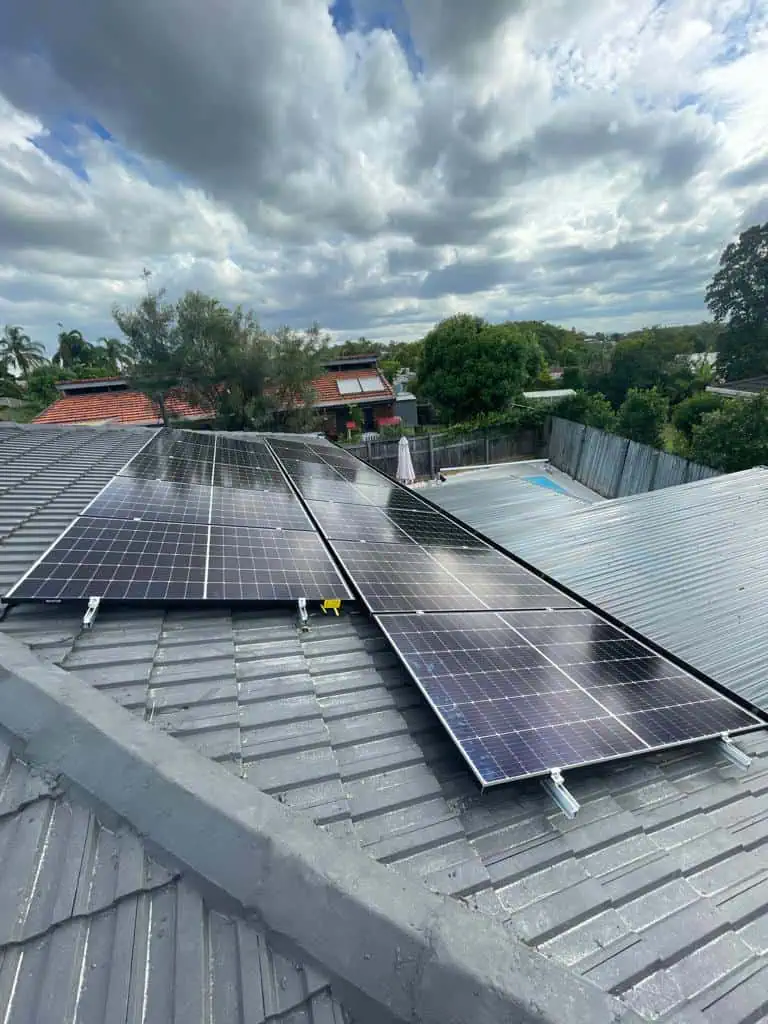
Introduction: A New Energy Era for Cities
Urban living is changing rapidly. Rising electricity costs, environmental awareness, and the demand for sustainable infrastructure are reshaping how cities consume power. Residential solar installation is no longer limited to independent houses. Apartments and townhouses are now becoming active participants in renewable energy adoption. What was once considered complex or impractical is now emerging as a smart and future-ready solution for modern urban communities.
Why Solar Matters More in Urban Areas
Cities have some of the highest electricity consumption levels. Apartment complexes require power not only for individual homes but also for elevators, corridor lighting, parking ventilation, water pumps, security systems, and shared amenities. As energy tariffs increase, these common-area expenses significantly impact monthly maintenance charges.
By installing solar systems on rooftops, housing societies can offset a large portion of this shared electricity usage. This reduces recurring costs and protects residents from rising utility rates. In townhouses, where each unit typically has its own roof space, homeowners can install individual solar systems and directly lower their personal electricity bills.
How Solar Works for Apartments
One of the biggest misconceptions is that apartment residents cannot benefit from solar because they do not individually own the roof. In reality, rooftop solar in apartment complexes is typically managed by the housing association or builder. The electricity generated is used for common services, which directly lowers maintenance fees for residents.
In some regions, shared solar or virtual net metering policies allow energy benefits to be distributed across individual units. This makes solar adoption more flexible and inclusive, even in high-density urban developments.
Townhouses: A Perfect Fit for Residential Solar
Townhouses are particularly well-suited for solar installation. With dedicated rooftop space and individual ownership structures, installing solar panels is similar to doing so in a standalone house. Developers are increasingly designing townships with solar-ready infrastructure, ensuring optimal roof orientation and structural support during construction.
This forward-planning approach reduces installation costs and enhances system efficiency. As a result, townhouse communities are quickly becoming models for sustainable urban housing.
Financial Benefits for Urban Communities
The financial case for residential solar in cities is strong. Urban electricity tariffs are often higher than in rural areas, making savings more significant. By generating electricity on-site, apartment associations can reduce common-area electricity bills substantially.
For individual townhouse owners, a properly sized solar system can reduce electricity expenses by a major percentage. Over time, the savings can exceed the initial installation cost, making solar a long-term wealth-building asset rather than just a cost-saving measure.
Additionally, properties equipped with solar systems tend to attract higher resale value and stronger rental demand. Buyers increasingly prefer energy-efficient homes that promise lower operating costs.
Technology Advancements Supporting Urban Solar
Modern solar technology has evolved to suit compact urban environments. High-efficiency panels generate more power from limited roof space, which is especially valuable for apartment buildings. Smart inverters and monitoring systems allow residents and associations to track energy production in real time, ensuring transparency and optimized performance.
Battery storage systems are also becoming popular in urban areas where grid reliability can sometimes be inconsistent. While batteries increase upfront investment, they provide backup power for essential services such as lifts, lighting, and security systems, improving overall comfort and safety.
Environmental Impact and Sustainability
Cities contribute significantly to carbon emissions due to concentrated energy use. When apartment complexes and townhouse communities adopt solar energy, they reduce reliance on fossil fuels and decrease pressure on centralized power plants.
This shift not only lowers electricity bills but also contributes to cleaner air and reduced environmental impact. Solar-powered residential communities represent a move toward sustainable urban ecosystems where energy generation happens closer to consumption.
Planning and Implementation Considerations
Implementing solar in apartments requires coordination among residents, builders, and professional installers. Structural assessments must ensure rooftop strength, and electrical systems must comply with local safety standards. Clear financial planning and transparent communication are essential to gain resident approval and ensure smooth execution.
For townhouses, the process is generally simpler but still requires proper system sizing, professional installation, and compliance with local regulations.
With careful planning and expert guidance, these challenges can be managed effectively.
The Future of Urban Housing
The future of urban living is deeply connected to energy independence and smart infrastructure. As cities evolve, residential communities must transition from passive electricity consumers to active energy producers.
Solar installation in apartments and townhouses is not just a technological upgrade — it is a lifestyle transformation. It offers financial stability, environmental responsibility, and long-term property value enhancement.
Rooftop vs Ground-Mounted Commercial Solar Installation for Hotels in Australia
Challenges and Solutions in Commercial Solar Panel Installation for Industrial Facilities

 English
 Arabic
 French
 Spanish
 Portuguese
 Turkish
 Dutch
Dutch
 Italiano
 Russian
 Romaian
 Portuguese (Brazil)
 Greek
Greek