

Reactive Power Management in Industrial Motor Systems
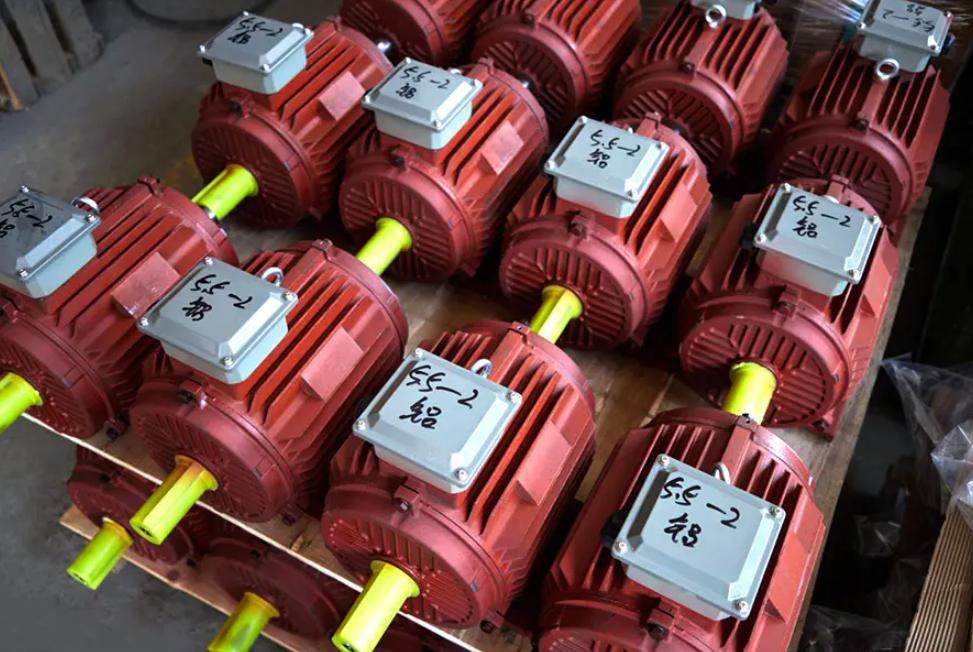
In modern electrical engineering systems, the Synchronous Three Phase Motor is not only a mechanical drive device but also an important element in power system stability.
One of its unique capabilities is reactive power control. By adjusting rotor excitation, the motor can:
Absorb reactive power (lagging mode)
Operate at unity power factor
Supply reactive power (leading mode)
Electrical parameters commonly observed:
Voltage range: 380V–11kV depending on design scale
Frequency: 50/60 Hz grid systems
Power factor adjustment range: approximately 0.8 lagging to 0.9 leading
Load efficiency: stable under rated torque conditions
This ability allows the motor to function as a “synchronous condenser” when running without mechanical load, helping stabilize voltage in transmission systems.
Speed control relationship:
Ns = 120f/P
No slip under steady synchronous operation
Grid applications include:
Voltage stabilization
Reactive power compensation
Large industrial load balancing
From an electrical design standpoint, rotor excitation control systems are essential. These systems regulate DC field current to adjust magnetic flux, which directly influences power factor behavior.
In high-demand installations, synchronous motors contribute to reducing the need for external capacitor banks, improving system integration efficiency.
 Turkish
 English
 Arabic
 French
 Spanish
 Portuguese
 Deutsch
 Dutch
Dutch
 Italiano
 Russian
 Romaian
 Portuguese (Brazil)
 Greek
Greek